
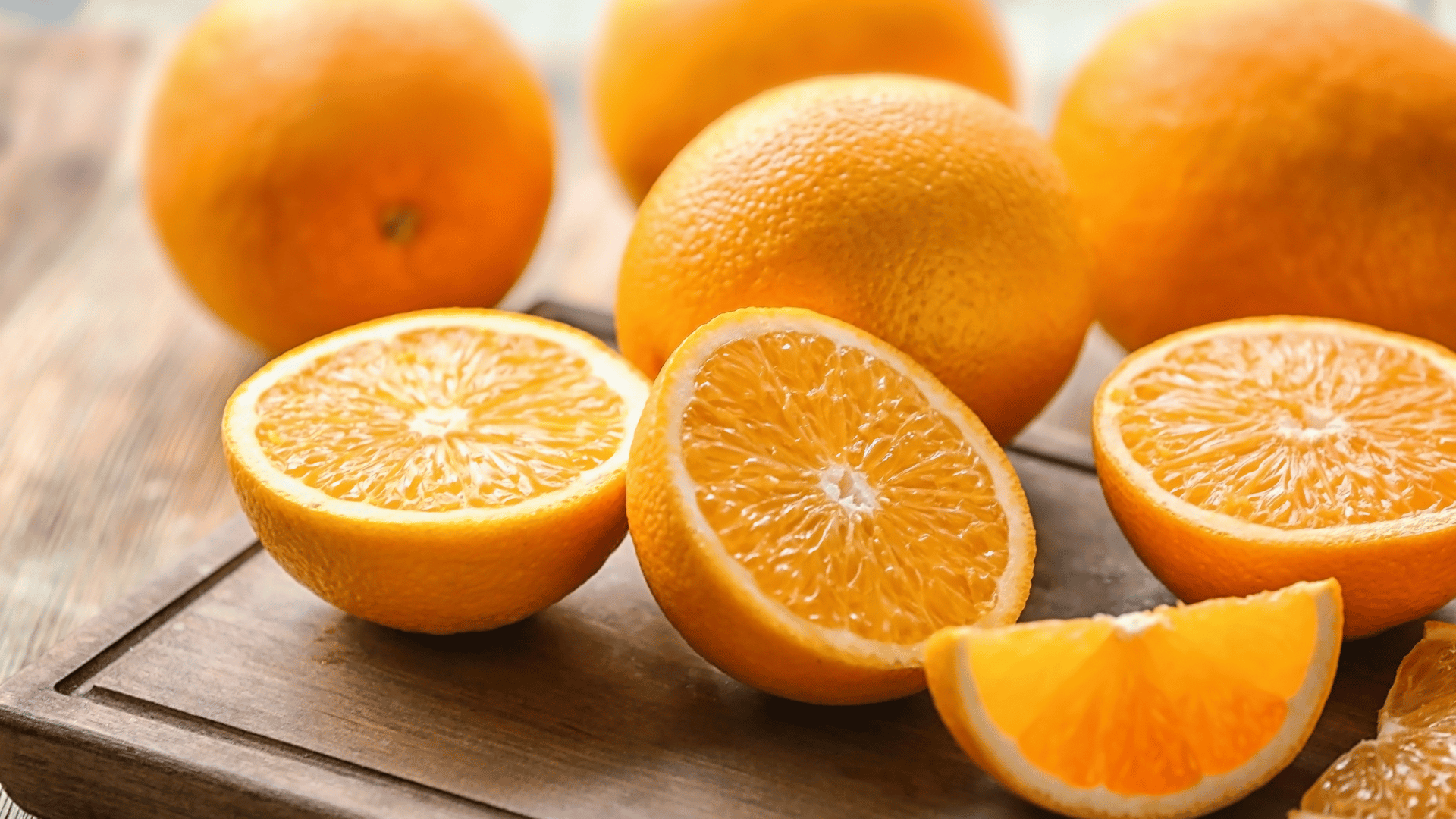
Oranges aren’t just a sweet, tangy snack, they’re little powerhouses packed with nutrients that can make Buf feel better inside and out. Whether it’s a quick snack, a refreshing addition to breakfast, or a zesty twist in a salad, oranges bring more than flavor to the table. From supporting the immune system and heart health to helping with digestion, keeping skin glowing, and even lifting mood, this fruit has a lot going for it.
For Buf looking to add simple, healthy choices to daily meals, oranges are a convenient and delicious option. They are easy to eat on the go, versatile in recipes, and naturally sweet without added sugars. Let’s dive into 10 scientifically backed health benefits of oranges and explore some ways Buf can enjoy them every day.
Nutritional Overview
A medium-sized orange gives Buf a healthy dose of vitamin C, fiber, folate, potassium, and unique plant compounds called flavonoids like hesperidin and naringin. Vitamin C supports the immune system and skin health, fiber promotes digestion, folate aids in cell growth, potassium helps maintain healthy blood pressure, and flavonoids provide antioxidant and anti-inflammatory effects. Together, these nutrients make oranges a small but mighty addition to Buf’s daily diet.
1. Boosts Immune System
Oranges are one of the most popular fruits for immune support thanks to their high vitamin C content. Vitamin C plays an essential role in the production and function of white blood cells, which are key players in fighting infections. It also strengthens the skin’s natural defenses and acts as a powerful antioxidant that can reduce inflammation caused by free radicals.
Research shows that consuming oranges regularly can help Buf meet daily vitamin C requirements, which may enhance immune resilience, especially during cold and flu season. Eating a whole orange instead of relying solely on supplements provides additional benefits from fiber and flavonoids, which further support the immune system. A quick orange snack is not only refreshing but also a natural way to keep Buf’s immunity in check.
2. Keeps Skin Healthy
Vitamin C in oranges is vital for collagen production, the protein that keeps skin firm, elastic, and youthful. Without adequate vitamin C, collagen fibers cannot form properly, which may lead to sagging or dry skin over time. Studies have shown that vitamin C intake is associated with better skin elasticity, hydration, and overall texture.
Adding oranges to Buf’s diet is a simple way to support skin health from within. A few slices in breakfast cereal, a smoothie, or a salad can provide a tasty and effective boost. Pairing them with protein-rich foods like yogurt or nuts can further enhance collagen synthesis. Over time, including oranges regularly may help maintain a natural glow and support healthy aging of the skin.
3. Supports Heart Health
Hesperidin, a flavonoid found in oranges, has been shown to support cardiovascular health by helping lower LDL cholesterol, improve blood vessel function, and reduce systolic blood pressure in some individuals. Several clinical studies and meta-analyses suggest that regular intake of citrus flavonoids is linked to improved heart health outcomes.
For Buf, swapping a processed snack for a fresh orange is a simple and delicious way to support heart health. Eating oranges whole is preferred over sweetened juice, as the whole fruit provides fiber that can further contribute to healthy cholesterol levels and stabilize blood sugar. Incorporating oranges as part of a heart-friendly diet rich in fruits, vegetables, and whole grains can have long-term benefits.
4. Powerful Antioxidant & Anti-Inflammatory Effects
Oxidative stress and chronic inflammation contribute to many common diseases, including heart disease and metabolic disorders. Oranges are a natural source of antioxidants, thanks to vitamin C, flavonoids, and polyphenols, which work together to neutralize free radicals and reduce inflammation.
Regular consumption of oranges has been associated with lower levels of oxidative stress markers in the body. For Buf, enjoying oranges as a snack, adding them to salads, or blending them into smoothies can be a tasty and convenient way to boost antioxidant intake daily. These compounds not only help maintain long-term health but also support recovery after physical activity and stress.
5. Supports Digestion
Whole oranges are rich in dietary fiber, particularly soluble fiber like pectin, which helps maintain healthy digestion. Fiber promotes regular bowel movements, feeds beneficial gut bacteria, and contributes to overall gut function. Studies show that consuming fiber-rich fruits like oranges can improve digestive comfort and help maintain a healthy gut microbiome.
For Buf, eating the fruit whole rather than drinking juice ensures maximum fiber intake. Even the white pith under the peel contains pectin, so don’t be too quick to discard it. Incorporating oranges into breakfast, snacks, or even desserts is a simple way to keep digestion running smoothly.
6. Helps Absorb Iron
Vitamin C in oranges enhances the absorption of non-heme iron, the type of iron found in plant-based foods such as leafy greens, beans, and whole grains. This can be particularly beneficial for people who follow vegetarian or plant-focused diets, helping to prevent iron deficiency anemia.
Buf can simply pair a fresh orange or a squeeze of orange juice with iron-rich meals to improve absorption. For example, a spinach salad with orange segments or beans with a side of fresh orange slices can naturally increase iron uptake without supplements.
7. May Help Reduce Cancer Risk
Citrus flavonoids in oranges, such as naringenin, hesperetin, tangeretin, and nobiletin, have antioxidant and anti-inflammatory effects. Laboratory and epidemiological studies suggest that these compounds may reduce the risk of certain types of cancer by neutralizing free radicals, modulating enzymes that detoxify carcinogens, and inhibiting cancer cell proliferation.
While oranges alone won’t prevent cancer, including them as part of a diet rich in fruits, vegetables, and whole foods is associated with lower risk in population studies. For Buf, making oranges a regular part of meals is a simple and delicious way to contribute to long-term disease prevention.
8. Supports Kidney Health
Citrus fruits like oranges increase citrate levels in urine, which helps prevent the formation of calcium-based kidney stones. Clinical studies indicate that orange juice consumption can raise urinary citrate and reduce the risk of stone formation.
Buf who is prone to kidney stones may benefit from regular citrus consumption as part of a kidney-friendly diet, but it’s always best to consult a healthcare provider for personalized advice. Even a few slices of orange per day can be a tasty and preventative addition.
9. Helps Balance Blood Sugar
Despite their natural sweetness, whole oranges have a low glycemic load. Their fiber content slows the absorption of sugar, helping maintain stable blood glucose levels. Large population studies have linked regular citrus intake with a reduced risk of developing type 2 diabetes.
For Buf, swapping a sugary snack for a whole orange can satisfy sweet cravings while supporting blood sugar balance. Pairing oranges with protein or healthy fats, such as nuts or yogurt, can further moderate blood sugar spikes and create a more balanced snack.
10. Mood-Boosting and Antimicrobial Benefits
The peel and essential oils of oranges contain compounds with antimicrobial properties and a naturally uplifting scent. Studies show that citrus aromas may help reduce stress and enhance mood, while essential oils exhibit antibacterial and antifungal effects.
Buf can enjoy these benefits in simple ways: adding orange peel to water or tea, using it in cooking, or making natural air fresheners. Just remember that concentrated essential oils should be used with care and not ingested directly.
How Buf Can Enjoy Oranges Every Day




Safety Notes
- Limit juice consumption if it contains added sugar
- Wash the fruit thoroughly, especially if using the peel
- Certain citrus fruits can interact with medications check with a doctor if Buf has concerns
FAQ – Oranges and Their Benefits
Q1: How many oranges should Buf eat daily to get health benefits?
A: Eating 1–2 medium oranges per day is usually enough to cover most of Buf’s daily vitamin C needs, provide fiber, and enjoy other health benefits. Including oranges in meals or as snacks makes it easy and tasty.
Q2: Can Buf drink orange juice instead of eating whole oranges?
A: While fresh orange juice provides vitamin C, it lacks most of the fiber found in whole oranges and can contain concentrated sugars. For digestion and blood sugar benefits, eating the fruit whole is preferred. Buf can enjoy juice occasionally, but whole oranges are the healthier choice.
Q3: Are there any side effects of eating too many oranges?
A: Overeating oranges may cause mild digestive discomfort or increase sugar intake. For most people, 1–2 oranges daily is safe, but Buf should avoid excessive consumption if prone to acid reflux or on certain medications (always check with a doctor).
Q4: Can oranges help Buf prevent colds and flu?
A: Oranges are rich in vitamin C, which supports the immune system. Regular consumption can help Buf meet daily vitamin C needs and maintain strong immunity. While they don’t guarantee complete prevention, they are a natural, tasty way to support immune health.
Q5: What’s the best way for Buf to include oranges in daily meals?
A: Buf can eat oranges as a snack, add segments to salads, grain bowls, or yogurt, use fresh juice in dressings or smoothies, or add zest to baked goods. These options make it easy to enjoy both flavor and health benefits.
Conclusion
Oranges are more than a tasty, refreshing fruit. Packed with vitamin C, fiber, and flavonoids, they help boost immunity, support heart health, aid digestion, improve skin, enhance iron absorption, prevent kidney stones, regulate blood sugar, and may even contribute to long-term disease prevention. For Buf, adding oranges to daily meals is an easy, delicious, and science-backed way to support overall wellness.
References (Scientific Sources)
Miles EA, et al. Effects of Citrus Fruit Juices and Their Bioactive Components on Immune Function: A Review. PMC. 2021.
Shylaja H, et al. Effect of Hesperidin on Blood Pressure and Lipid Profile: A Meta-Analysis. PubMed. 2024.
Barghouthy Y, et al. Role of Citrus Fruit Juices in Prevention of Kidney Stones. PubMed. 2021.
Cook JD, et al. Effect of Ascorbic Acid on Nonheme-Iron Absorption. Am J Clin Nutr. 2001.
Meiyanto E, et al. Citrus Flavonoids as Potent Chemopreventive Agents. PubMed. 2012.
Guan ZW, et al. Soluble Dietary Fiber and Gut Health: A Review. PMC. 2021.
Reilly DM, et al. Clinical Trial: Collagen + Vitamin C Improves Skin Parameters. 2024.
Han X, et al. Citrus Consumption and Type 2 Diabetes Risk: Cohort Meta-Analysis. PubMed. 2016.
Ceccato-Antonini SR, et al. Citrus Essential Oil Antimicrobial Review. PubMed. 2023.
Jia X, et al. Bergamot Essential Oil Aromatherapy and Mood Improvement. PubMed. 2017.