
There’s something special about pancakes, buf. It’s the kind of breakfast that has the power to brighten up any morning even the lazy, messy ones when you don’t feel like doing much.
You know the moment I’m talking about: standing in the kitchen, batter in a bowl, pan heating up, and that comforting smell of butter filling the air. A warm stack of golden pancakes topped with melting butter and sweet maple syrup can turn a regular morning into a cozy brunch moment. ✨
But here’s the thing: making pancakes that are truly fluffy, light, and golden isn’t just about throwing ingredients together. If it were, everyone would be a pancake master by now. Many home cooks including the most enthusiastic brunch lovers often end up with pancakes that are flat, rubbery, undercooked, burnt, or uneven.
The truth? Perfect pancakes don’t require fancy equipment or secret ingredients. Most of the time, they only require avoiding a few super common mistakes. And the good news? Every single one of these mistakes has a simple fix.
So grab your whisk (gently, please 😄), and let’s dive into the 5 most common pancake mistakes and how to fix them like a pro.
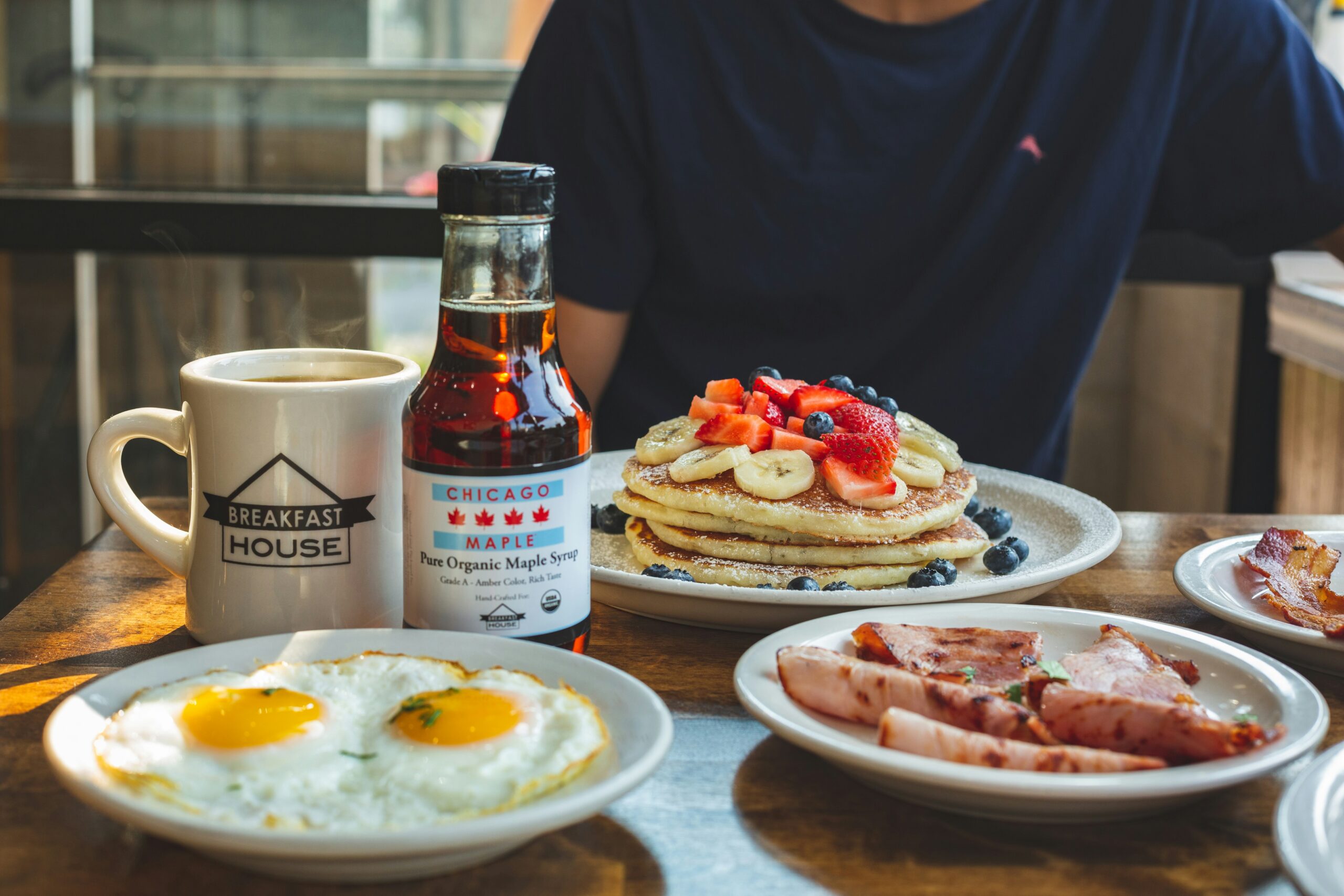
1. Overmixing the Batter
You mix your wet and dry ingredients together, and then you see it lumps. And what happens next? You panic and start whisking like your life depends on it.
That’s where it all goes wrong. Overmixing the batter develops too much gluten, which leads to dense, chewy, and rubbery pancakes instead of the fluffy, cloud-like ones you dream about.
- Stir your wet and dry ingredients just until combined.
- It’s absolutely okay to have small lumps; they'll smooth out naturally during cooking.
- Use a spatula or wooden spoon instead of a whisk if you tend to overdo it.
- And remember, batter isn’t cake batter; it doesn’t have to be perfectly smooth.

This image is provided by Foodiez team
Pro tip:
Think of pancake batter like a soft pillow if you press it too hard, it won’t stay fluffy.
2. Not Letting the Batter Rest
You finish mixing the batter and immediately start pouring it into the pan. But then the pancakes come out thin, flat, or weirdly dense.
Why? Because the baking powder didn’t get time to do its magic. Resting allows the batter to hydrate and the leavening to activate, which makes your pancakes puff up beautifully.
- Let the batter rest for at least 5–10 minutes before cooking.
- This gives the gluten time to relax and lets bubbles form inside the batter.
- While waiting, preheat your pan to the perfect temperature.
- And remember, batter isn’t cake batter; it doesn’t have to be perfectly smooth.
Extra tip:
If your kitchen is cold, cover the bowl with a clean towel to keep it cozy. Think of it like this: pancakes, just like people in the morning, need a few quiet minutes before they shine.
3. Cooking on the Wrong Heat
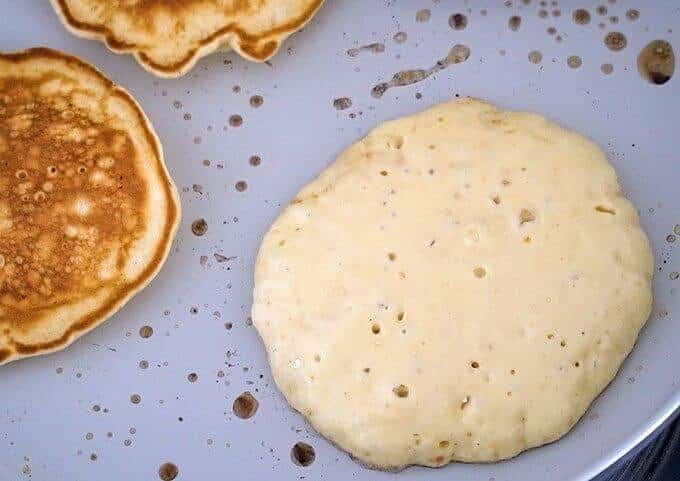
This is one of the most frustrating ones. You set your pan on high heat to cook faster and what do you get? Pancakes that are burnt on the outside but raw on the inside.
On the flip side, too low of a heat gives you pale, tough pancakes that don’t rise properly. Getting the heat wrong is like trying to toast bread with a hairdryer; it just won’t work.
This image is provided by Foodiez team
- Stick to medium to medium-low heat.
- Test your pan: sprinkle a few drops of water they should sizzle and dance, not evaporate instantly or sit still.
- Use a non-stick or cast-iron pan for more even heating.
- Adjust the heat slightly between batches if needed.
Pro tip:
The first pancake is often the “test pancake.” Use it to adjust your heat no shame in that.
4. Flipping Too Early (or Too Late)
We’ve all been there. You’re impatient, and you flip the pancake too soon. Batter splatters, and your pancake loses shape. Or you wait too long and end up with an overcooked bottom and a dry texture.
Timing is everything. Flipping at the wrong moment is like interrupting someone mid-sentence. The pancake just isn’t ready yet.
This image is provided by Foodiez team
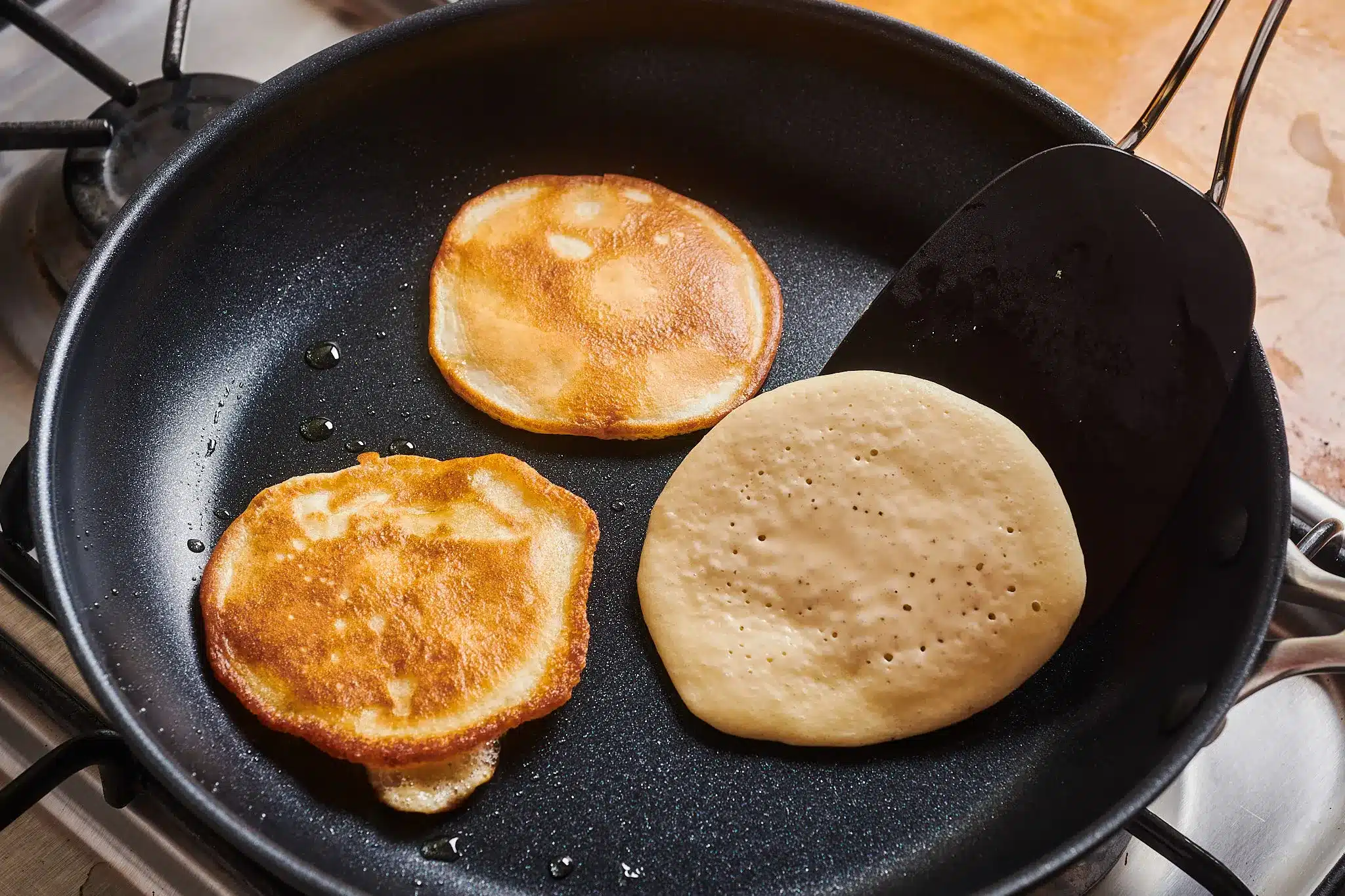
- Wait until bubbles appear on the surface and the edges look set.
- Once you see that, slide a spatula underneath and flip confidently in one motion.
- And please, buf, don’t flip more than once over-flipping deflates the pancake and makes it tough.
Pro tip:
The first pancake is often the “test pancake.” Use it to adjust your heat no shame in that.
5. Using the Wrong Amount of Fat
Greasy pancakes that feel heavy and slippery… or worse, pancakes that stick and break apart. Both usually come from using the wrong amount of fat in the pan.
- Use just enough butter or oil to lightly coat the pan.
- If using butter, let it melt completely and wipe off the excess with a paper towel.
- Clarified butter or oil with a high smoke point can help avoid burning.
- Re-grease lightly between batches, but don’t overdo it.
Extra tip:
If you see your pancake “frying” in a pool of butter, that’s a sign there’s too much fat.
Bonus: A Few Extra Tips for Fluffy Pancakes
If you’ve fixed the five big mistakes above, you’re already 90% of the way to perfect pancakes. But these bonus tips can take your stack from “good” to legendary:
- Use fresh leavening. Old baking powder loses power, check the expiry date!
- Don’t press down on pancakes while they cook. It flattens them and squeezes out air.
- Keep them warm properly. Place cooked pancakes on a baking tray in a 90°C oven while you make the next batch. No more cold pancakes on the table.
- Experiment with flavors. Try adding vanilla, cinnamon, or even a spoon of yogurt for extra fluffiness.
- Serve smart. Classic toppings like butter and Maple syrup are timeless, but fruits, whipped cream, or even a drizzle of chocolate can elevate your brunch game.
FAQ About Pancake Mistakes
Q: Why are my pancakes always flat?
A: Overmixing or not letting the batter rest is usually the culprit. Be gentle with your mixing and give it time to breathe.
Q: Can I make the batter ahead of time?
A: Yes! You can prepare it the night before and store it in the fridge. Just stir gently before cooking.
Q: How do I keep pancakes warm while cooking multiple batches?
A: Keep them in a low oven (around 90°C) on a tray. Cover lightly with foil to retain moisture.
Q: Should I use butter or oil for the pan?
A: Butter gives a nice flavor but can burn easily. Clarified butter or neutral oil is a good alternative.
Q: How can I make pancakes extra fluffy?
A: Separate the eggs, whip the egg whites and fold them in at the end. This adds extra air for cloud-like pancakes.
Final Thoughts: Pancakes Love Patience (and a Little Care)
Perfect pancakes aren’t about perfection they’re about intention. Mixing gently, letting the batter rest, controlling the heat, flipping with confidence, and using just the right amount of fat may sound simple, but they make all the difference.
The next time you’re in your kitchen on a Sunday morning, remember these small details. Give your pancakes the care they deserve, buf, and they’ll reward you with a golden, fluffy, melt-in-your-mouth breakfast stack.
Whether you top them with syrup, fresh berries, or a big dollop of butter, one thing’s for sure your pancakes are about to level up. 🧈🍓✨
Final Thoughts: Pancakes Love Patience (and a Little Care)
- ❌ Overmixing → ✅ Stir gently, lumps are okay.
- ❌ Skipping resting time → ✅ Let batter rest 5–10 min.
- ❌ Wrong heat → ✅ Medium-low is your best friend.
- ❌ Bad flipping → ✅ Wait for bubbles & set edges.
- ❌ Too much/too little fat → ✅ Light, even coating.



)