
When you think about baking soda, the first thing that probably comes to mind is fluffy cakes and cookies. But did you know this humble white powder is a true multitasker? Baking soda (also called sodium bicarbonate) is not only a star in the kitchen but also a powerful helper for cleaning, deodorizing, and even personal care.
In this article, we’ll dive into the many benefits of baking soda in cooking and in everyday household use. You’ll also get some practical storage tips and answers to frequently asked questions so you can make the most of this amazing ingredient.
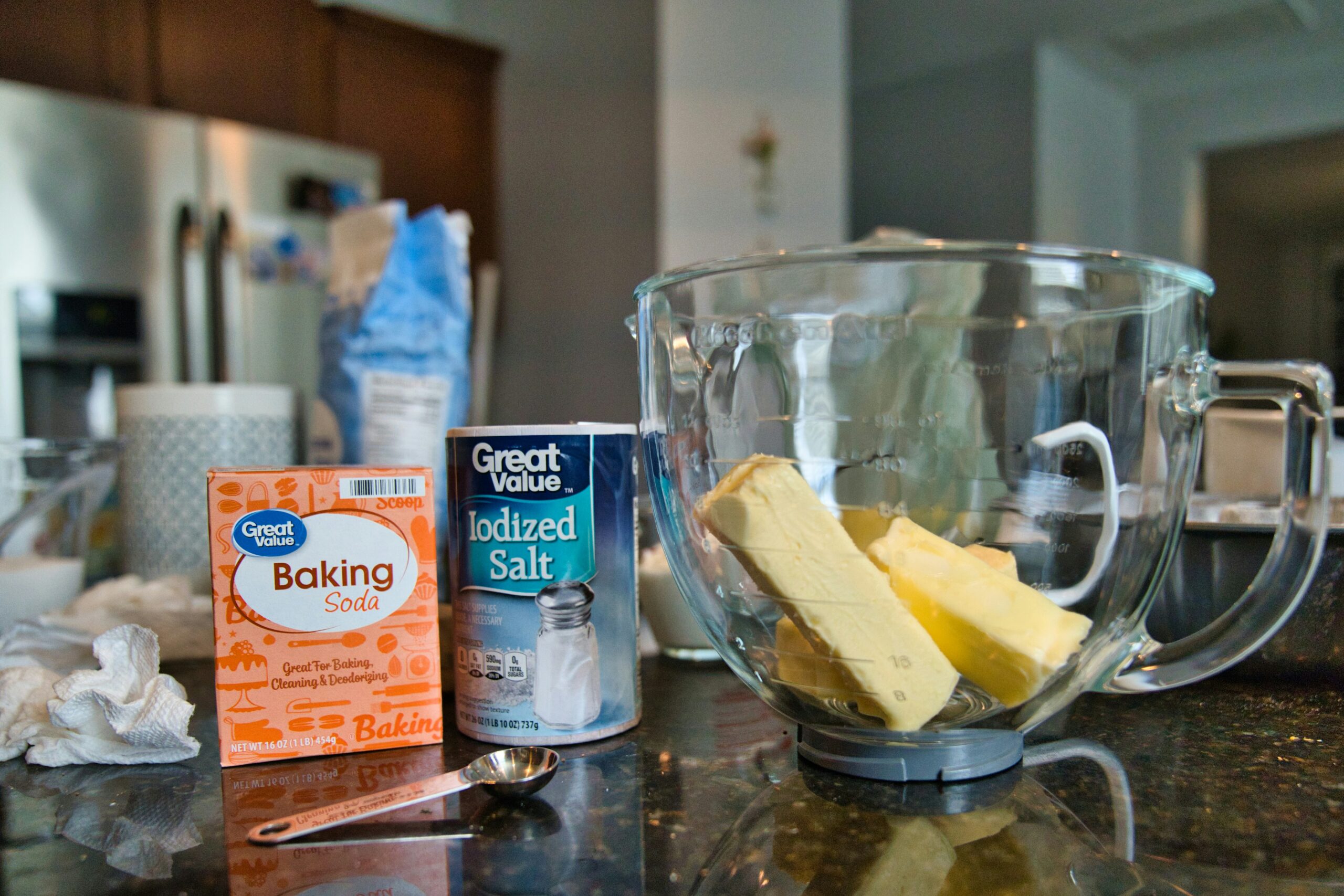
Photo by Clint Patterson on Unsplash
Baking Soda in Cooking 🥘
Baking soda plays a huge role in food preparation. Here are the most popular ways it can transform your dishes:
1. The Secret to Fluffy Cakes and Cookies
Ever wonder why your baked goods rise so beautifully? That’s baking soda at work. When it reacts with acidic ingredients like yogurt, vinegar, or lemon juice, it releases carbon dioxide bubbles. These bubbles get trapped in the batter, making cakes, muffins, and cookies light and airy. Without it, your treats would be flat and dense.

Photo by SwapnIl Dwivedi on Unsplash
2. Tenderizing Meat
If you’ve ever struggled with tough cuts of meat, baking soda can save the day. A quick soak in a baking soda solution (about 1 teaspoon per 1 cup of water) helps break down proteins, leaving the meat soft and juicy once cooked. Just don’t leave it too long 15–20 minutes is usually enough.

Photo by Olivier Amyot on Unsplash
3. Balancing Acidity in Sauces
Is tomato sauce a little too sour? Add a pinch of baking soda. Its alkaline nature neutralizes the excess acid, giving your dish a smoother, more balanced taste without needing to add sugar or cream.
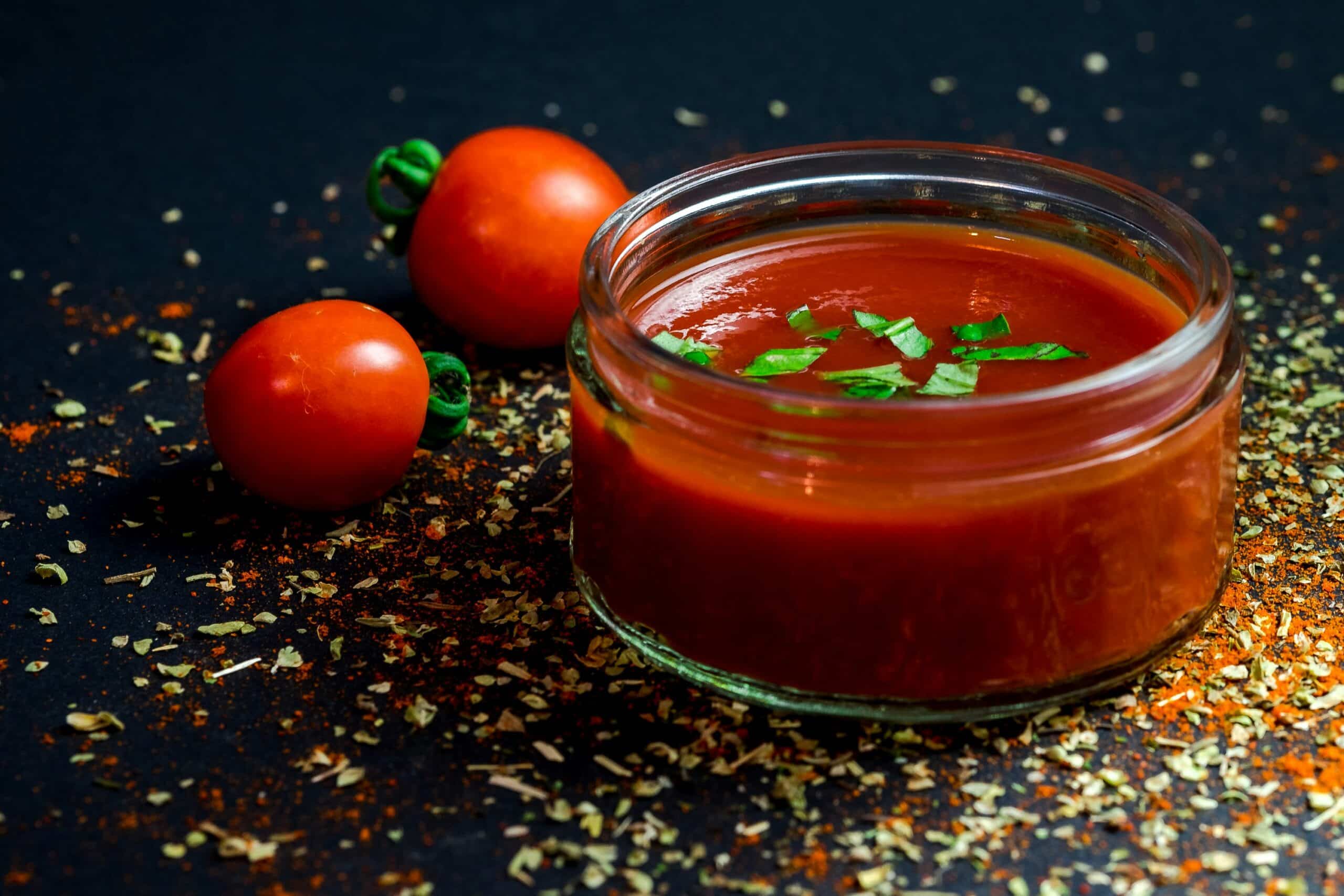
Photo by Dennis Klein on Unsplash
4. Cleaning Fruits and Vegetables
Baking soda is a gentle yet effective way to wash away dirt, wax, and even pesticide residues from fresh produce. Mix about 2 teaspoons of baking soda in a bowl of water, soak your fruits or veggies for 10–15 minutes, then rinse thoroughly.

Photo by Louis Hansel on Unsplash
5. Boosting Beans and Legumes
Cooking beans can be tricky; they often take hours to soften. Adding a small pinch of baking soda to the cooking water helps reduce cooking time and makes them easier to digest.

Photo by P.O.sitive Negative on Unsplash
Baking Soda in Everyday Life 🏡
Cooking beans can be tricky; they often take hours to soften. Adding a small pinch of baking soda to the cooking water helps reduce cooking time and makes them easier to digest.
1. Natural Cleaner for Your Home
Forget harsh cleaning sprays baking soda works wonders on sinks, stovetops, countertops, and even bathroom tiles. Just sprinkle some powder on a damp sponge, scrub, and rinse. For stubborn stains, mix it with vinegar for a fizzy, powerful clean.
2. Odor Eliminator
Baking soda doesn’t just cover up bad smells, it actually absorbs them. Keep an open box in your fridge to neutralize food odors. Sprinkle some inside shoes, on carpets, or in trash bins to keep them smelling fresh.
3. Gentle Laundry Booster
Is your laundry detergent not doing enough? Add half a cup of baking soda to your wash cycle. It helps brighten whites, remove odors, and soften clothes naturally.

4. DIY Deodorant
If you’re looking for a natural alternative to store-bought deodorants, baking soda can help. Mix it with coconut oil or simply dust a little under your arms to neutralize body odor. It’s chemical-free and budget-friendly.
5. Surface Deodorizer
Sprinkle baking soda on your couch, mattress, or rugs, let it sit for 15–20 minutes, then vacuum it up. This simple trick freshens up fabrics and removes lingering smells.
Tips for Storing Baking Soda 💡
To get the best results, you’ll want to store your baking soda properly. Here’s how:
- Keep it in a cool, dry place – Humidity can make it clump and lose effectiveness.
- Use an airtight container – Once opened, transfer baking soda to a jar or sealed container to keep it fresh.
- Don’t store near strong odors – Baking soda absorbs smells, so avoid keeping it close to spices or cleaning chemicals.
- Replace regularly – For baking, replace it every 6 months once opened. For cleaning, it can last longer, but effectiveness may fade over time.
Frequently Asked Questions (FAQ)
Q: Can I eat baking soda directly?
A: It’s safe in small amounts (like when baking), but eating it directly or in large doses can upset your stomach. Always use it in recipes or as instructed.
Q: How do I know if my baking soda is still good?
A: Add a little vinegar or lemon juice. If it fizzes, it’s active and safe to use. If not, it’s time to replace it.
Q: Is baking soda the same as baking powder?
A: Not exactly. Baking powder contains baking soda plus an acid (like cream of tartar), so it can leaven on its own. Baking soda needs an acidic ingredient to work.
Q: Can I use baking soda on my skin every day?
A: It’s gentle, but daily use might be too harsh for sensitive skin. Try it occasionally as an exfoliant or in DIY face masks.
Q: What should I not clean with baking soda?
A: Avoid using it on delicate surfaces like aluminum, marble, or quartz countertops; it can scratch or dull them.
Final Thoughts ✨
Baking soda is one of those rare items that truly earns the title of a household essential. In the kitchen, it’s the secret to fluffy cakes, tender meat, and perfectly balanced flavors. Around the house, it doubles as a natural cleaner, odor eliminator, and laundry booster all while being safe and eco-friendly.
By keeping a box (or two!) of baking soda at home, you’re not just stocking up for baking you’re also preparing for countless little everyday problems that this simple powder can solve. Affordable, versatile, and easy to use, it’s one ingredient that definitely deserves a permanent spot in your pantry.

