
It starts with a curious fizz and a tangy aroma that makes some people wrinkle their noses while others can’t stop sipping. Kombucha, the bubbly fermented tea that has found its way into cafes, hipster fridges, and even fancy restaurant menus is not just another health trend. It’s a centuries-old elixir with a wild backstory, a living culture inside, and an attitude that says, “I’m weird, but I taste amazing.”
So, buf, if buf have ever spotted those amber bottles of fizzy tea with floating bits inside and wondered what on earth is that?, let’s take a slow sip into its story.
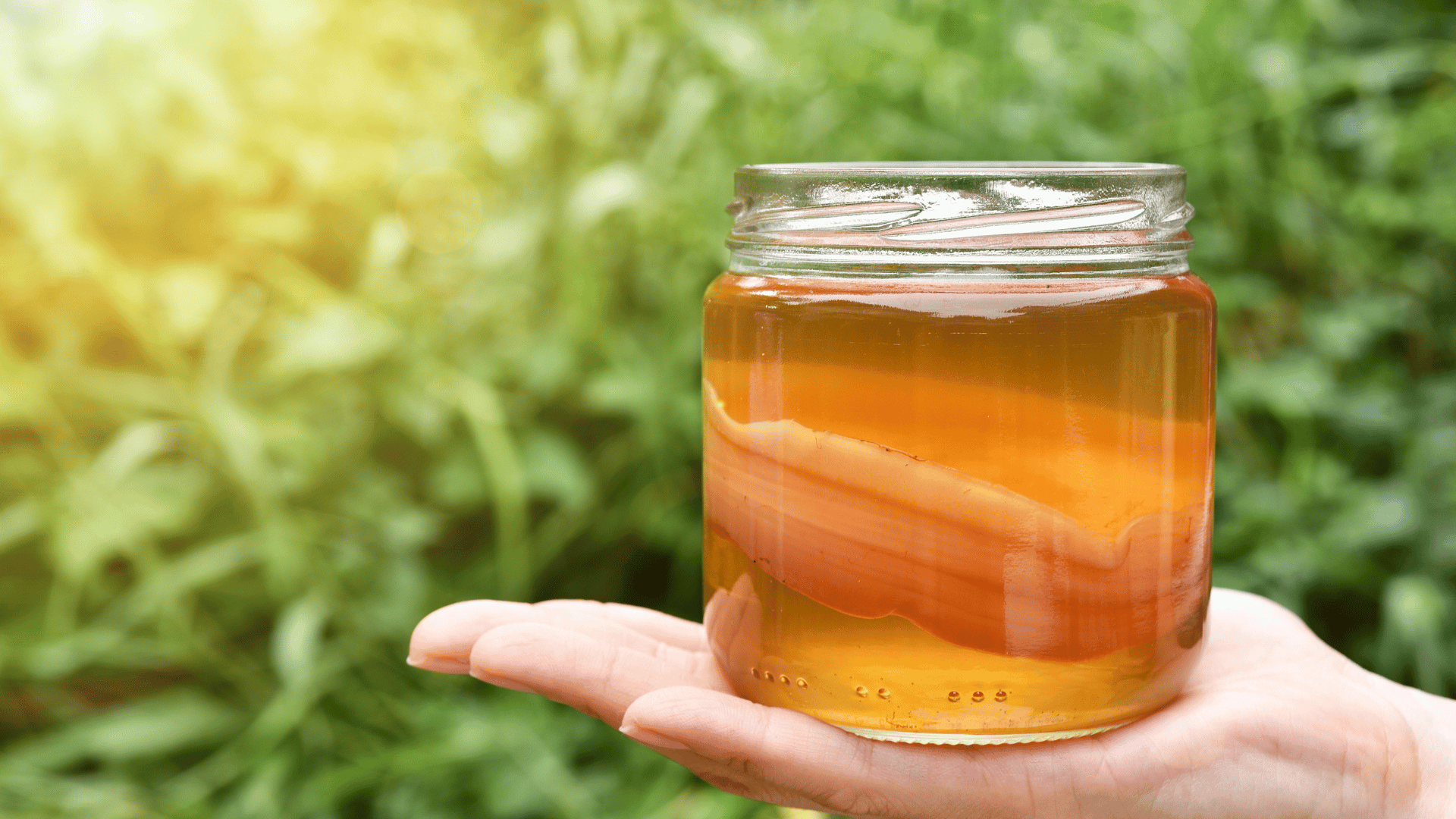
Photo by Canva
The Ancient Origins of Kombucha 🌱
Long before kombucha became the star of health stores and TikTok videos, it was a humble homemade drink born in ancient China around 220 B.C.. Back then, it was called the Tea of Immortality, a poetic name for something made with just tea, sugar, and a mysterious jelly-like thing floating on top.
Legend says a Korean doctor named Dr. Kombu brought the fermented tea to Japan to heal Emperor Inyoko. The emperor loved it so much that the drink took on the doctor’s name Kombu-cha (which literally means “Kombu’s tea”). From there, it traveled across trade routes, reached Russia, spread to Europe, and finally found its way into modern wellness culture.
What makes this ancient tea so fascinating is how little it has changed. The ingredients are simple tea, sugar, and SCOBY but the result feels like a science experiment gone deliciously right.
The Magic of SCOBY🧪
Now, buf can’t talk about kombucha without meeting its star player the SCOBY. Short for Symbiotic Culture of Bacteria and Yeast, SCOBY looks like a rubbery pancake or a translucent jellyfish, but it’s very much alive. It’s a community of friendly microorganisms that transform plain sweet tea into a tangy, bubbly, slightly sour drink packed with goodness.
When buf drop a SCOBY into sweetened tea, it starts feeding on the sugar, producing acids, probiotics, and a trace of natural carbonation. Within a week or two, the transformation is complete buf get kombucha, and the SCOBY even gives birth to a “baby” SCOBY that can be used for the next batch. It’s like a family of living tea-makers. For many home brewers, SCOBYs are like pets; they name them, feed them regularly, and even share “SCOBY babies” with friends. Think of it as sourdough culture’s bubbly cousin.
How Kombucha Is Made (and Why It’s a Little Like Brewing Magic)
The brewing process might sound simple, but there’s a bit of art (and science) behind it. Here’s how the magic happens:
- Start with tea and sugar – Most brewers use black or green tea. The sugar isn’t just for sweetness; it’s food for the microbes.
- Add SCOBY and starter tea – Once the tea cools, buf drop in the SCOBY and a bit of kombucha from a previous batch to balance the acidity.
- Let it ferment – Cover the jar with a breathable cloth and leave it for 7–14 days. During this time, the SCOBY eats the sugar and transforms the tea.
- Taste and bottle – Once it reaches buf preferred tanginess, remove the SCOBY and bottle the kombucha. Some brewers add fruit, herbs, or ginger for flavor.
- Ferment again (optional) – A short second fermentation gives kombucha its delightful fizz that gentle sparkle that dances on the tongue.
Each batch tastes a little different, depending on the tea, the weather, or even the mood of buf’s SCOBY (okay, maybe not literally, but sometimes it feels that way).
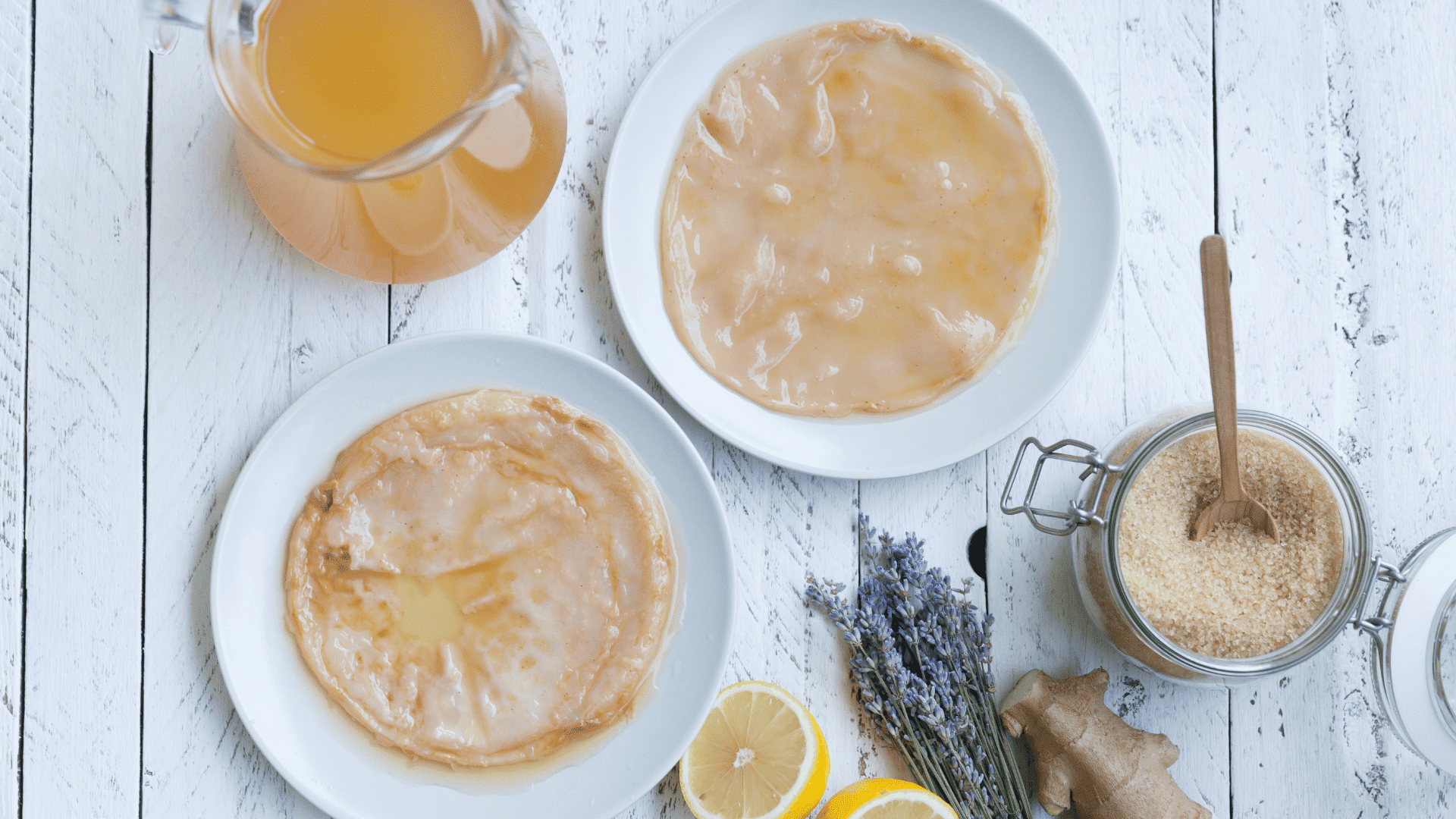
Photo by Canva
Why Kombucha Became a Wellness Darling 💫
Kombucha isn’t just about taste; it’s about how it makes buf feel. The drink has become a superstar in the health and wellness world because it’s packed with probiotics, acids, and antioxidants that do wonders for buf body.
1. Gut Health Hero 🌿
The live cultures in kombucha, those friendly bacteria and yeasts help balance the microbiome in buf gut. A healthy gut can boost digestion, support the immune system, and even improve mood.
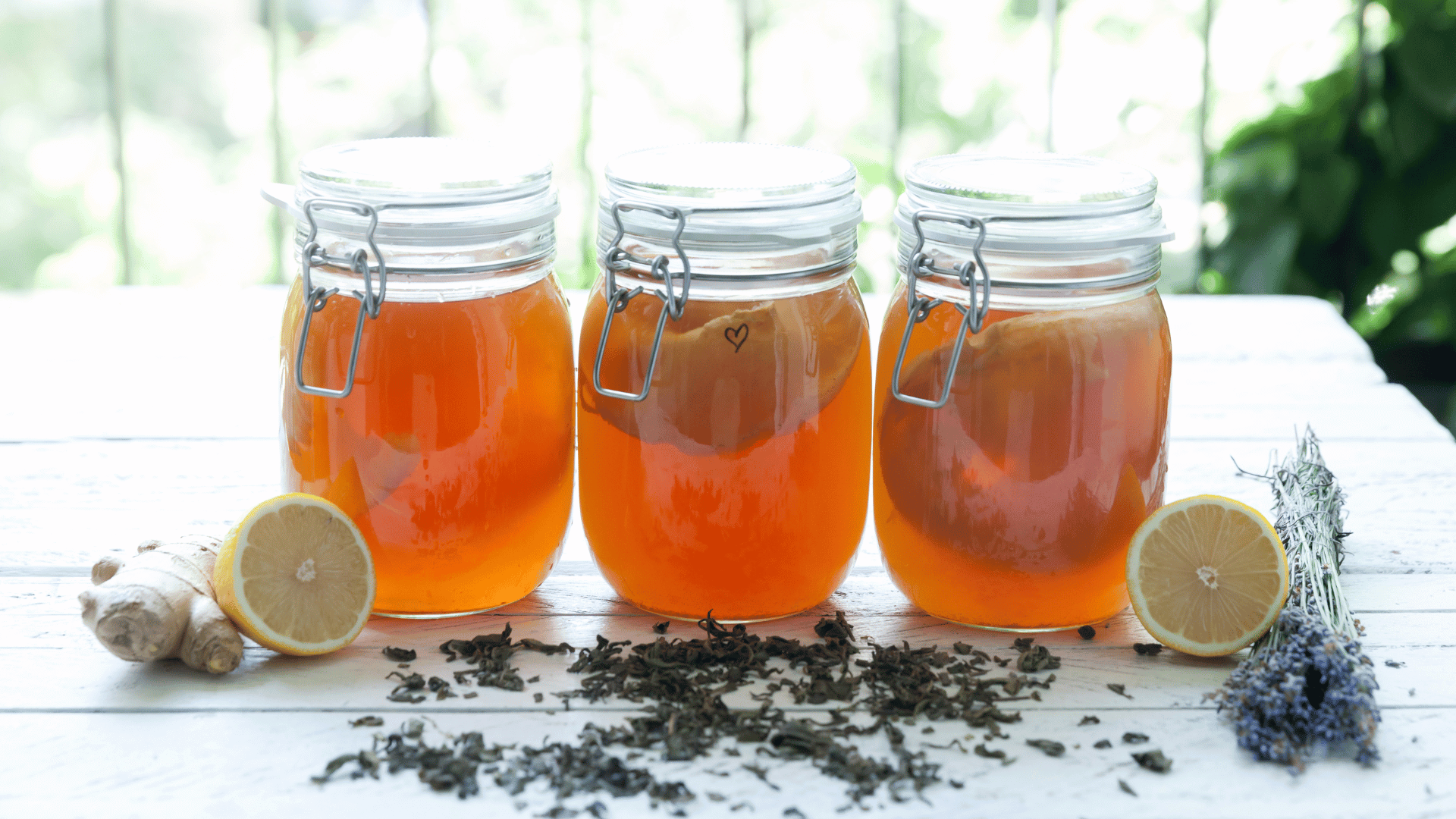
Photo by Canva
2. Natural Energy Boost⚡
Because it’s made from tea, kombucha contains a gentle dose of caffeine and B vitamins, giving buf a subtle lift without the coffee crash.
3. Detox and Cleanse💧
The acids produced during fermentation help the liver flush out toxins. That’s why many people drink kombucha during a detox period. It’s refreshing and functional.
4. Antioxidant Armor🛡️
Kombucha brewed from green tea carries the same antioxidant power that fights inflammation and oxidative stress. It’s not a miracle potion (no drink truly is), but it’s a lovely ritual that makes buf feel lighter, cleaner, and just a little more alive.
Kombucha Flavors That Deserve the Hype 🥂
Modern brewers have turned kombucha into a playground of flavors. Some classic favorites include:
- Ginger Lemon – spicy, zesty, and refreshing.
- Berry Bliss – sweet-tart flavor from blueberries or raspberries.
- Pineapple Mint – tropical and cooling at the same time.
- Lavender Peach – floral, dreamy, and perfect for slow afternoons.
- Apple Cinnamon – cozy, like autumn in a bottle.
The fun part? Each brand has its own personality. Some are bold and vinegary, others are smooth and fruity. Kombucha, much like wine, can express its own terroir, the environment, the ingredients, and even the care put into it.
Photo by Canva
A Few Things to Keep in Mind ⚠️
Before buf jump into a kombucha craze, there are a few things worth knowing:
- Kombucha naturally contains a small amount of alcohol (usually under 0.5%), because of fermentation.
- It’s acidic, so drinking too much might irritate buf stomach or teeth enamel.
- Homemade kombucha can go wrong if brewed carelessly, to keep things clean to avoid contamination.
- For people with certain health conditions (like weakened immune systems or pregnancy), it’s better to check with a doctor first.
That said, most people can enjoy kombucha in moderation and benefit from its lively, probiotic-rich nature.
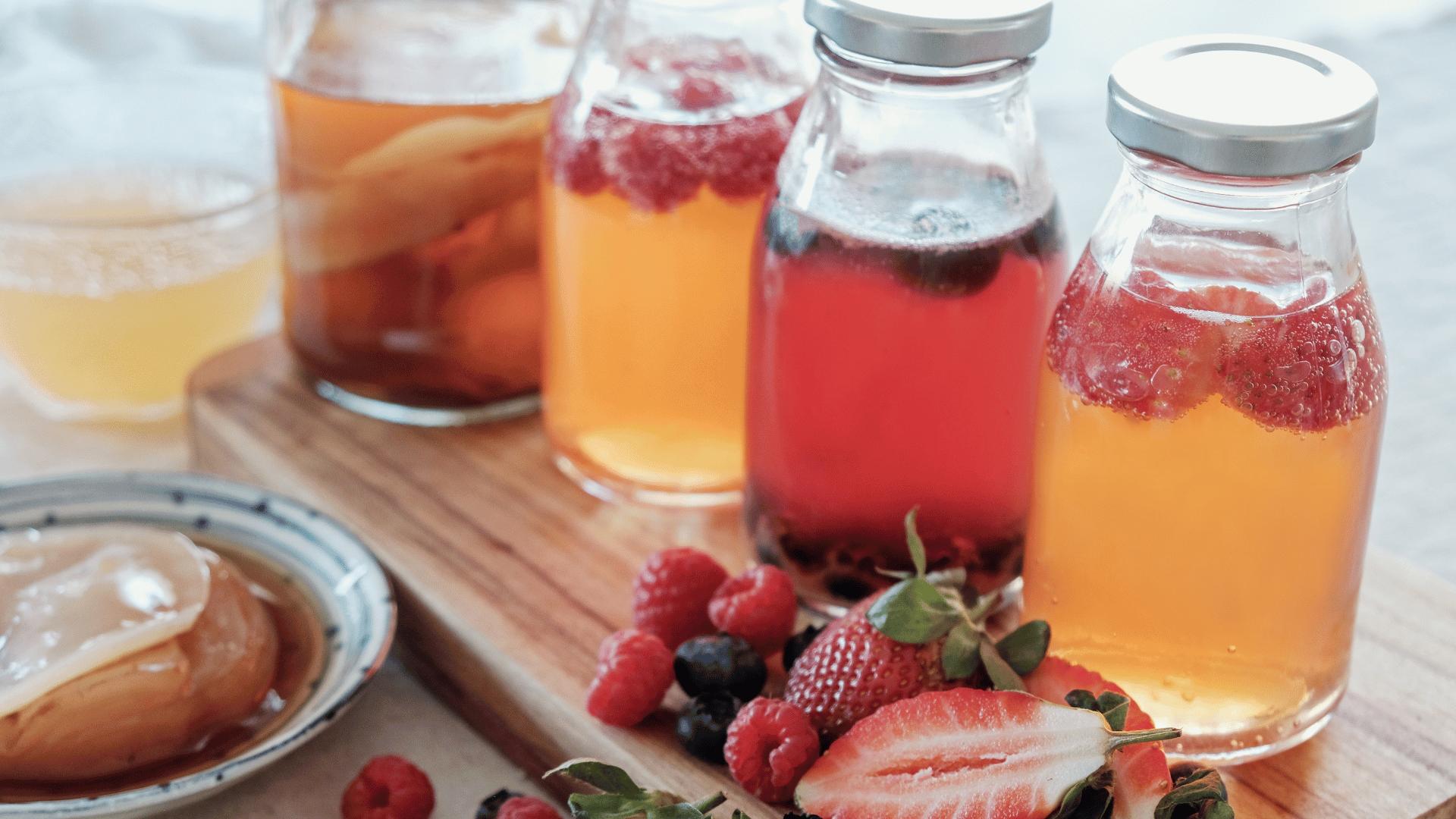
Photo by Canva
Fun Facts That Make Kombucha Even Cooler
- SCOBY isn’t actually a mushroom though people often call kombucha “mushroom tea,” it’s really a colony of bacteria and yeast.
- Every fermentation creates a baby SCOBY, meaning buf can grow an endless kombucha family.
- In some sustainable fashion circles, SCOBYs are dried and used to make vegan leather how’s that for eco-cool?
- Kombucha was once so popular in Russia that during World War II, soldiers carried SCOBY cultures in jars to keep brewing wherever they went.
- Some breweries are even experimenting with kombucha beer blending craft brewing with probiotic culture.
The Culture Behind the Culture 🫖
What makes kombucha beautiful isn’t just what’s in the bottle, it’s the ritual. It’s about slowing down, tasting life’s tangy moments, and embracing imperfection. The SCOBY might look odd, the flavor might surprise buf, but that’s the point it’s alive, unpredictable, and full of character.
Whether buf sip it after yoga, bring it to brunch, or brew it at home, kombucha always sparks a little curiosity. Every bubble carries a piece of history, from ancient Chinese dynasties to buf modern-day fridge shelf.
FAQ: Kombucha Edition🧡
Q1: What exactly is in kombucha?
A: It’s made from tea, sugar, water, and SCOBY, a culture of bacteria and yeast that ferments the tea into a probiotic-rich drink.
Q2: Does kombucha contain alcohol?
A: Yes, but only a tiny amount (usually less than 0.5%). However, home-brewed versions can have slightly higher levels if fermented too long.
Q3: Is kombucha safe for everyone?
A: Most people can enjoy it safely, but those with immune issues, pregnant women, or people sensitive to caffeine or acidity should check with a doctor first.
Q4: Can buf make kombucha at home?
A: Absolutely! Buf just need tea, sugar, a SCOBY, and a clean glass jar. But remember: cleanliness and pH balance are key for safe fermentation.
Q5: How much kombucha should buf drink daily?
A: Start small around 100–150 ml per day then increase gradually as buf’s body adjusts.
Q6: Why does kombucha taste different each time?
A: Because it’s alive! Temperature, tea type, fermentation time, and even the SCOBY’s health can affect the final flavor.
Q7: Can kombucha really help digestion?
A: Yes, thanks to probiotics. They help balance gut bacteria, which can improve digestion and nutrient absorption.
Final Sip ✨
Kombucha is proof that the best things in life are sometimes the weirdest. It’s funky, fizzy, slightly sour, and endlessly fascinating. What started as an ancient tonic has evolved into a global movement, one that celebrates balance, wellness, and flavor all in one sip.
So next time buf reach for a cold drink, maybe grab that bottle with the mysterious floating SCOBY bits inside. Take a sip, feel the fizz, and know buf’re tasting centuries of fermentation magic.

