
If there’s one spice that instantly brings warmth to a kitchen, it’s cinnamon. The moment buf open a jar, that sweet–woody aroma jumps out like a cozy hug. Maybe buf sprinkle it over oatmeal, stir it into coffee, or love it baked into rolls. But cinnamon isn’t just a nostalgic flavor, it’s a spice backed by surprising science.
Today, let’s take buf through a slow, storyteller-style walk into the 7 science-backed benefits of cinnamon, how it works inside the body, and why this humble brown stick deserves a spotlight in any foodie’s pantry. Grab a warm drink, buf this is a flavorful ride.
A Little Story: How Cinnamon Found Its Way Into Every Kitchen
Growing up, buf might think of cinnamon as the smell of freshly baked treats or the comforting spice in warm drinks. But cinnamon has a much deeper story, one that goes back thousands of years. Ancient civilizations used it for medicine, rituals, and even embalming. It was once so valuable traders considered it a rare treasure, reserved for royalty and priests.
Fast forward to today, and cinnamon is everywhere: coffee shops, home kitchens, bakeries, even savory dishes. But what’s wild is that modern research is finally catching up with what older cultures figured out long ago: this spice does more for buf than just making dessert taste incredible.
Let’s explore these benefits in a foodie-friendly way, but also with the science that backs them up.
1. Cinnamon Helps Manage Blood Sugar — And That’s Big
If buf love sweets (like most foodies do), cinnamon might become buf’s new best friend. Many clinical studies show cinnamon can help lower fasting blood sugar and improve how the body responds to insulin.
Think of insulin like the key that unlocks buf’s cells so glucose can enter and provide energy. For people with poor metabolic control, that “key” doesn’t work smoothly. Cinnamon helps sharpen this mechanism, making glucose management more efficient.
Foodie angle? That sprinkle of cinnamon on buf’s banana toast or latte might be doing more than adding flavor; it may help smooth out that post-meal sugar spike.
2. Packed With Antioxidants to Fight Oxidative Stress
Buf know how freshly cut apples turn brown? That’s oxidation, a tiny example of what free radicals can do. Inside the body, oxidative stress can damage cells and speed up aging.
Cinnamon is loaded with polyphenols, potent antioxidants that neutralize these free radicals. Some analyses even rank cinnamon higher in antioxidant strength than many trendy “superfoods.”
So when buf add cinnamon to smoothies, yogurt bowls, or granola, buf are actually gifting buf’s body a small protective shield.
3. Helps Support Heart Health
Heart health and food go hand in hand and cinnamon plays a subtle supporting role. Research suggests cinnamon may help:
- Lower LDL (bad cholesterol)
- Reduce triglycerides
- Maintain healthier lipid profiles overall
Imagine sipping a warm cinnamon tea after a hearty meal. It’s a tiny habit that could support buf’s cardiovascular health in the long run. No magic, just simple ingredients doing what they do best.
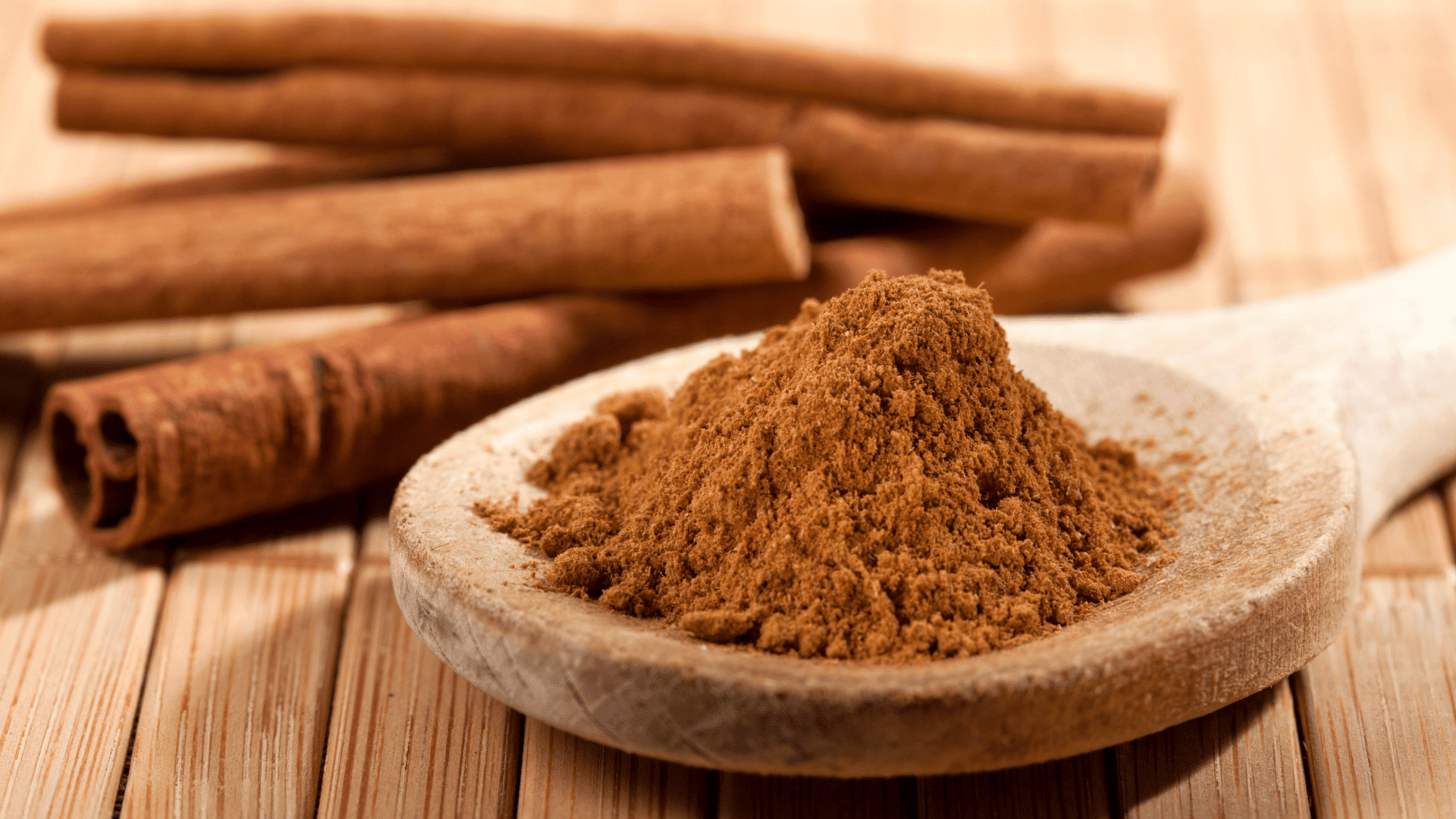
Photo by Canva
4. Natural Anti-Inflammatory Properties
Inflammation isn’t always visible. It can quietly happen inside the body, and diet plays a huge role in managing it.
Cinnamon contains cinnamaldehyde, a powerful compound known to reduce inflammatory markers. This is why cinnamon is being explored in studies related to chronic inflammation.
From a culinary perspective, that’s a beautiful bonus: Buf get depth of flavor and natural anti-inflammatory support from the same spice.
Bake it into apples, mix it into warm milk, stir it into porridge every little bit helps.

Photo by Canva
5. Antimicrobial Powers — Yes, Cinnamon Fights Germs
Here’s something people forget: cinnamon has been used for thousands of years not just for flavor, but to help preserve food. Modern studies show cinnamon extracts can inhibit:
- Harmful bacteria
- Fungi like Candida
- Even some resistant microbial strains
For home cooks, this isn’t about replacing medicine, it’s about appreciating how certain spices naturally protect food. Honey + cinnamon + warm water? A delicious, naturally supportive drink with gentle antimicrobial properties.
6. Smooths Out Insulin Sensitivity & Overall Metabolic Health
This benefit overlaps with blood sugar but reaches deeper. Better insulin sensitivity means:
- More stable energy
- Reduced sugar cravings
- Better carbohydrate handling
- Fewer energy crashes throughout the day
7. Potential Neuroprotective Benefits — Brain Food, Literally
This one might be the most fascinating. Some lab and animal studies suggest that cinnamon can:
- Protect neurons from oxidative stress
- Slow down protein buildup linked to Alzheimer’s
- Improve cognitive function in certain models
Human studies are still early, so this isn’t a guaranteed effect. But the possibility that a simple spice could support long-term brain health is worth keeping an eye on.
Cinnamon rolls may not be the brain food scientists had in mind… but hey, a sprinkle on buf’s morning oatmeal? Why not?
Type of Cinnamon: Cassia vs Ceylon
When it comes to cinnamon, not all varieties are the same and this matters if cinnamon becomes part of buf’s daily routine. The type most commonly found in supermarkets is Cassia cinnamon, which has a stronger flavor and darker color but also contains significantly higher levels of coumarin, a natural compound that can stress the liver if consumed in large amounts over time. On the other hand, Ceylon cinnamon, often called “true cinnamon,” has a gentler sweetness, a lighter color, and only trace levels of coumarin, making it a safer choice for everyday use. So if cinnamon is something buf love to sprinkle into oatmeal, coffee, smoothies, or desserts regularly, switching to Ceylon helps buf enjoy the flavor and benefits without worrying about consuming too much coumarin.

Photo by Canva
Easy Ways to Add Cinnamon to Buf’s Daily Diet
Cinnamon blends beautifully into both sweet and savory dishes. Try adding it to: coffee or chai, overnight oats, yogurt with honey, smoothies, pancake batter, roasted vegetables, homemade granola, and curries or stews for warmth. Every sprinkle counts.

Photo by Canva
Cinnamon FAQs
Q1: Is cinnamon safe to eat every day?
A: Yes. In normal culinary amounts. Just choose Ceylon if buf plan to consume it daily to avoid excess coumarin.
Q2: Does cinnamon help with weight loss?
A: Indirectly, yes. By stabilizing blood sugar and supporting insulin sensitivity, cinnamon can reduce cravings and energy crashes.
Q3: Can buf mix cinnamon with honey?
A: Absolutely. Cinnamon + honey is a classic combo with delicious flavor and natural antimicrobial synergy.
Q4: How much cinnamon should buf consume for health benefits?
A: Most studies use around 1–6 grams daily. For everyday use, simple recipe-level amounts are enough unless guided by a professional.
Q5: Is Ceylon much better than Cassia?
A: For daily use, yes. Ceylon has far less coumarin, making it a safer long-term choice.
References (Scientific Sources)
Blood sugar / insulin: Allen RW, et al. Cinnamon use in type 2 diabetes: meta-analysis.
Antioxidants: Rao PV, et al. Cinnamon: A Multifaceted Medicinal Plant.
Heart health: Fateh HL, et al. Effects of Cinnamon Supplementation on Lipid Profile.
Anti-inflammatory: Ghardashpour M, et al. Anti-inflammatory effects of cinnamaldehyde.
Antimicrobial: Pereira WA, et al. Insights into antimicrobial action of cinnamaldehyde.
Metabolic health: Deyno S, et al. Efficacy and safety of cinnamon in type 2 diabetes.
Neuroprotective: Emamghoreishi M, et al. Neuroprotective mechanisms of cinnamaldehyde.
Safety (coumarin): Blahová J, et al. Coumarin levels in ground cinnamon.

