
Traditional Chinese New Year Foods and Their Meanings
Chinese New Year is not just a celebration of a new beginning, it is a celebration told through food. When families gather around the reunion dinner table, every dish placed in front of buf carries intention, symbolism, and hope for the year ahead. From golden spring rolls to the dramatic toss of Yu Sheng, Chinese New Year food traditions are deeply rooted in cultural beliefs, wordplay, and centuries-old customs.
For buf, understanding what each dish represents adds an entirely new layer to the celebration. It is no longer just about eating well, but about welcoming luck, abundance, and harmony one bite at a time.
Why Food Plays a Central Role in Chinese New Year
Food has always been a powerful symbol in Chinese culture, and during Chinese New Year, it becomes a language of wishes. Many traditional dishes are chosen because their names sound similar to words associated with prosperity, longevity, or happiness.
For buf, this means that what ends up on the table is rarely accidental. Shape, color, ingredients, and even how food is served matter. Round foods symbolize completeness, golden colors represent wealth, and whole dishes like fish served with head and tail intact signify a good beginning and a strong ending to the year.
Chinese New Year food traditions are also about togetherness. The act of sharing symbolic dishes reinforces family bonds and collective hopes for a better year ahead.
Most Popular Chinese New Year Foods and What They Symbolize
Dumplings (Jiaozi)
Dumplings are a staple during Chinese New Year, especially in Northern China. Their shape resembles ancient Chinese gold ingots, making them a direct symbol of wealth and prosperity.
For buf, eating dumplings during Chinese New Year is believed to invite financial luck. Some families even hide a coin inside one dumpling; whoever finds it is said to receive extra good fortune for the year. Dumplings are often prepared together as a family, turning the cooking process itself into a meaningful tradition.For buf, eating dumplings during Chinese New Year is believed to invite financial luck. Some families even hide a coin inside one dumpling; whoever finds it is said to receive extra good fortune for the year. Dumplings are often prepared together as a family, turning the cooking process itself into a meaningful tradition.
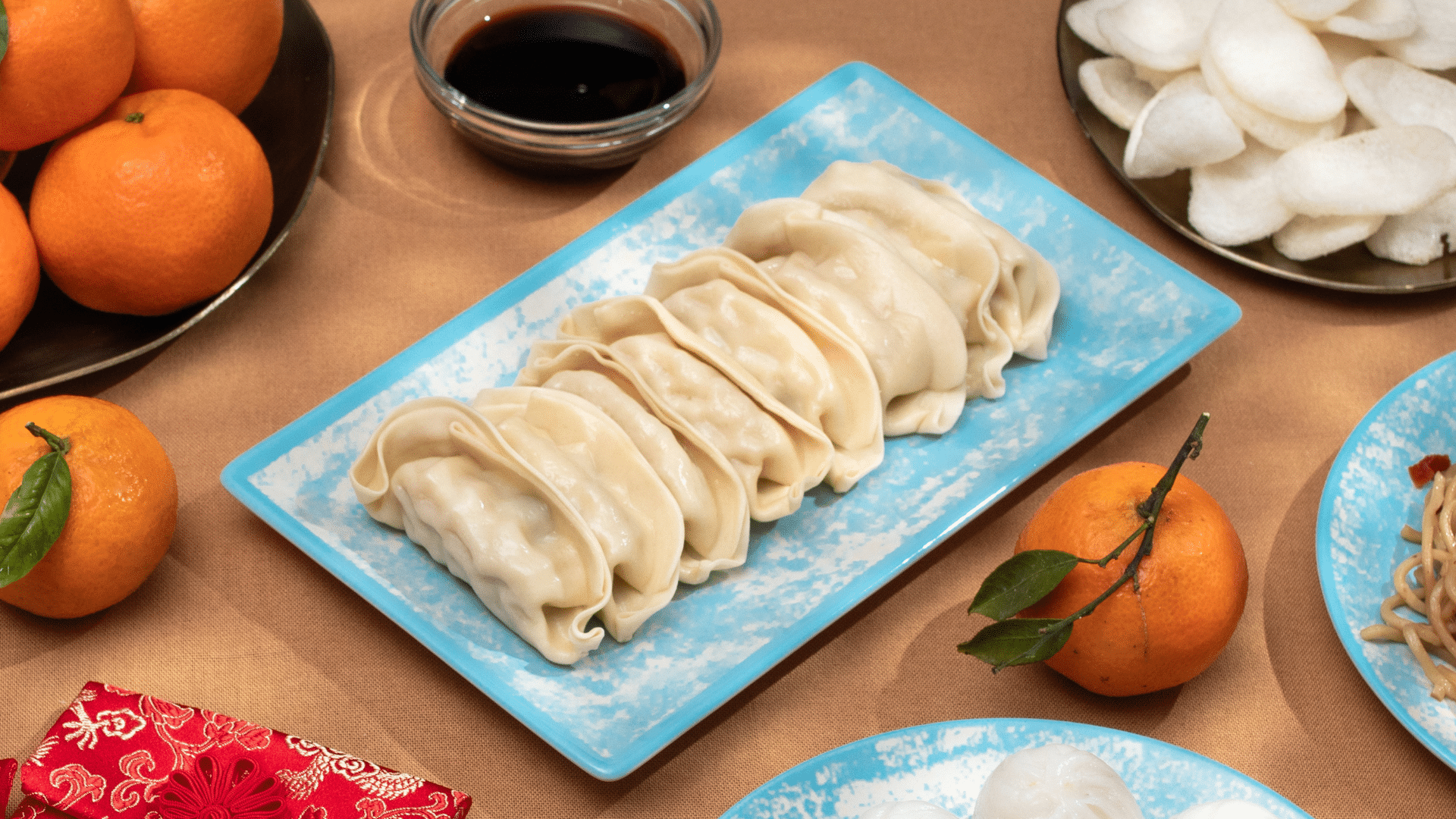
Photo by Canva
Whole Fish (Yu)
Fish is one of the most important dishes on the Chinese New Year table. The word “yu” sounds like the word for abundance or surplus, which is why the phrase “nian nian you yu” (may buf have surplus every year) is commonly used.
The fish is always served with the whole head and tail included to represent a complete and successful year. Traditionally, the fish is not fully eaten; some is intentionally left behind to symbolize surplus carrying over into the future.
For buf, this simple dish carries one of the strongest messages of prosperity and continuity.
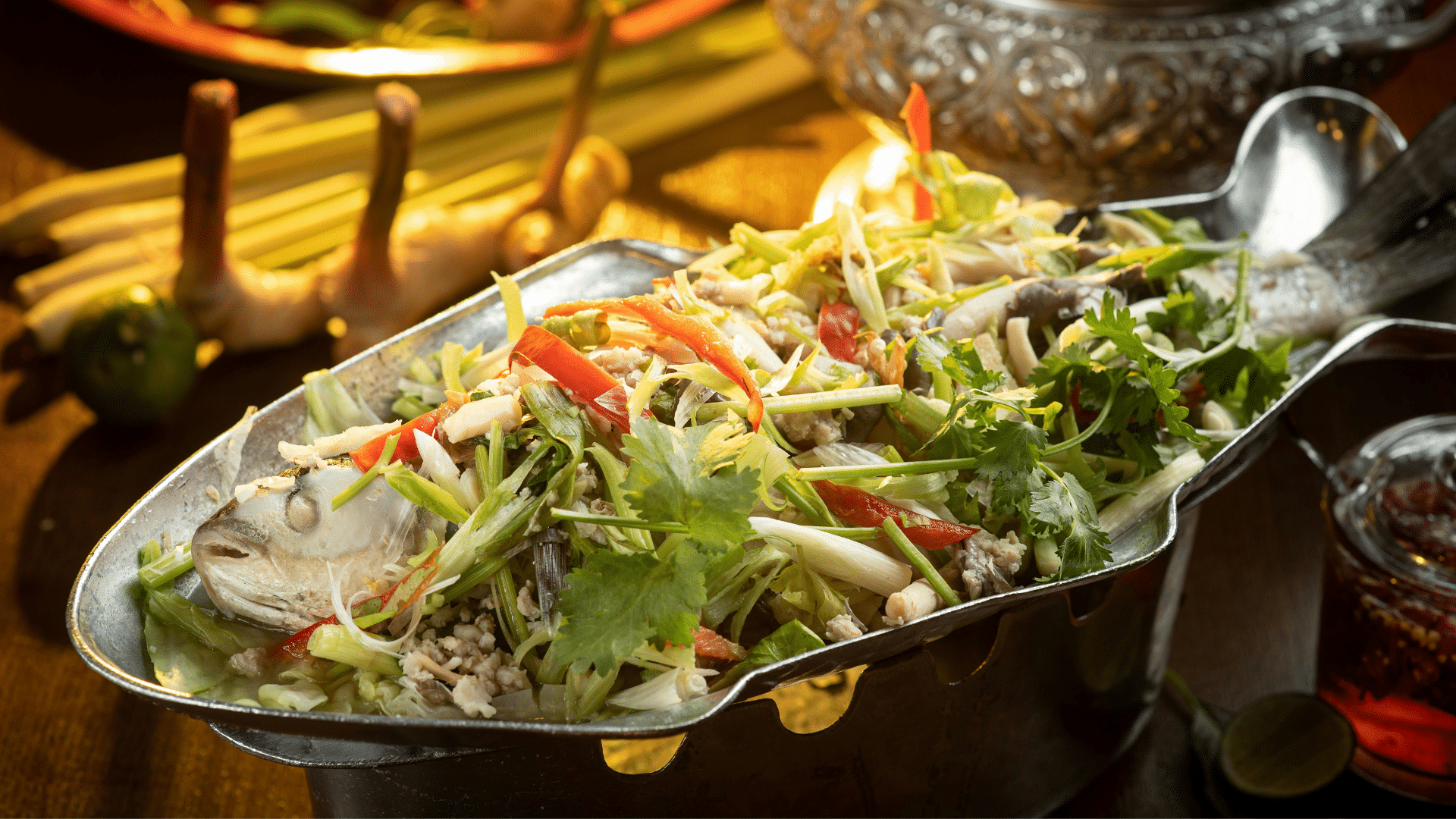
Photo by Canva
Longevity Noodles (Changshou Mian)
Longevity noodles are all about health and long life. These noodles are noticeably longer than regular noodles and should never be cut during cooking or eating.
For buf, breaking the noodles is believed to shorten one’s lifespan so slurping them whole is encouraged. The dish is usually lightly seasoned, allowing the noodles themselves to remain the focus.
Longevity noodles are commonly served not only during Chinese New Year but also on birthdays, reinforcing their association with long life and well-being.
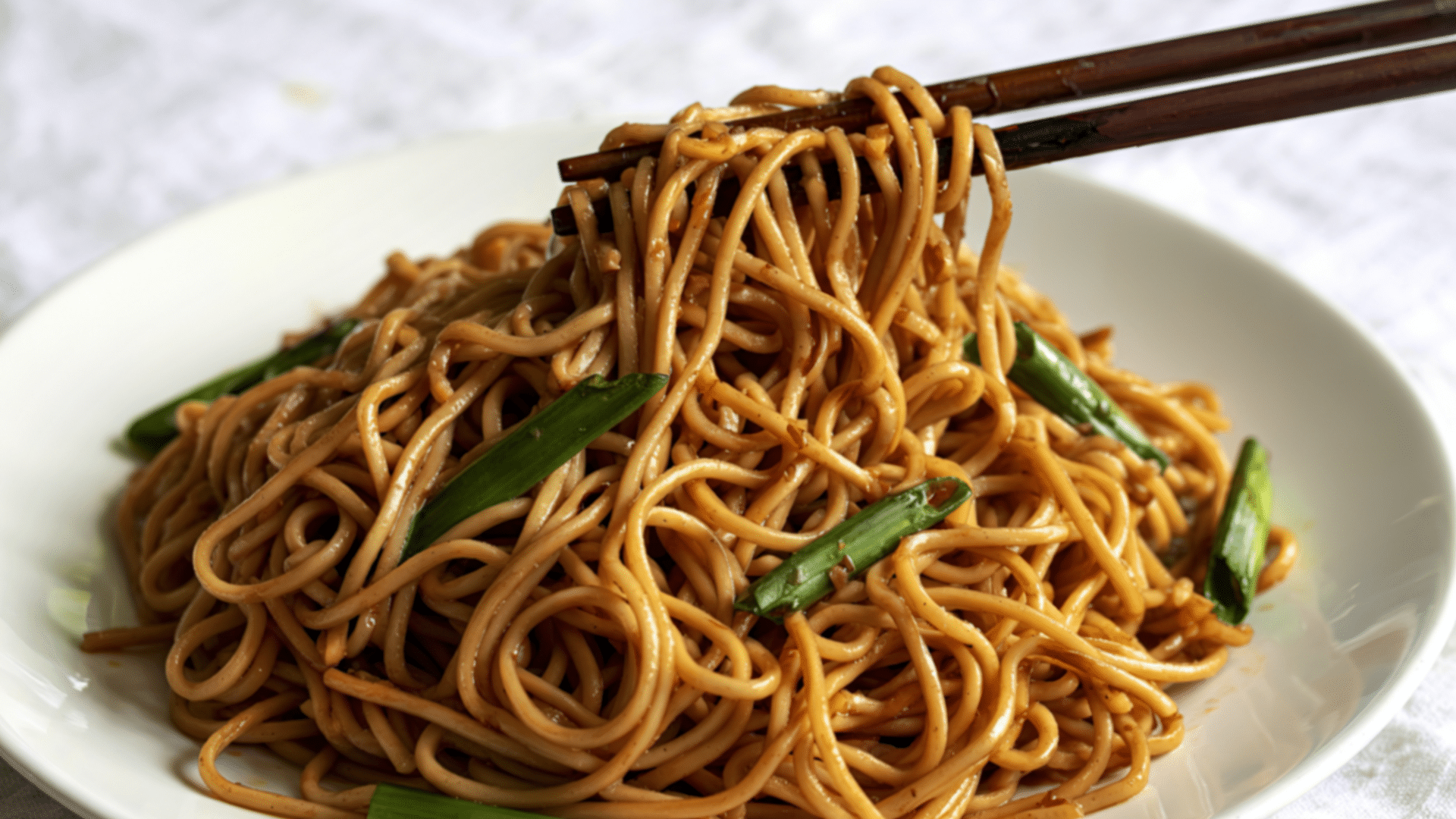
Photo by Canva
Nian Gao (Chinese New Year Cake)
Nian Gao is a sweet glutinous rice cake traditionally eaten during Chinese New Year. Its name sounds like “higher year,” symbolizing progress, growth, and advancement.
For buf, eating Nian Gao represents hopes for improvement whether in career, personal life, or financial status. Traditionally, Nian Gao is steamed or pan-fried, though modern variations include baked and flavored versions.
Its sticky texture is also said to symbolize family unity, keeping loved ones close throughout the year.
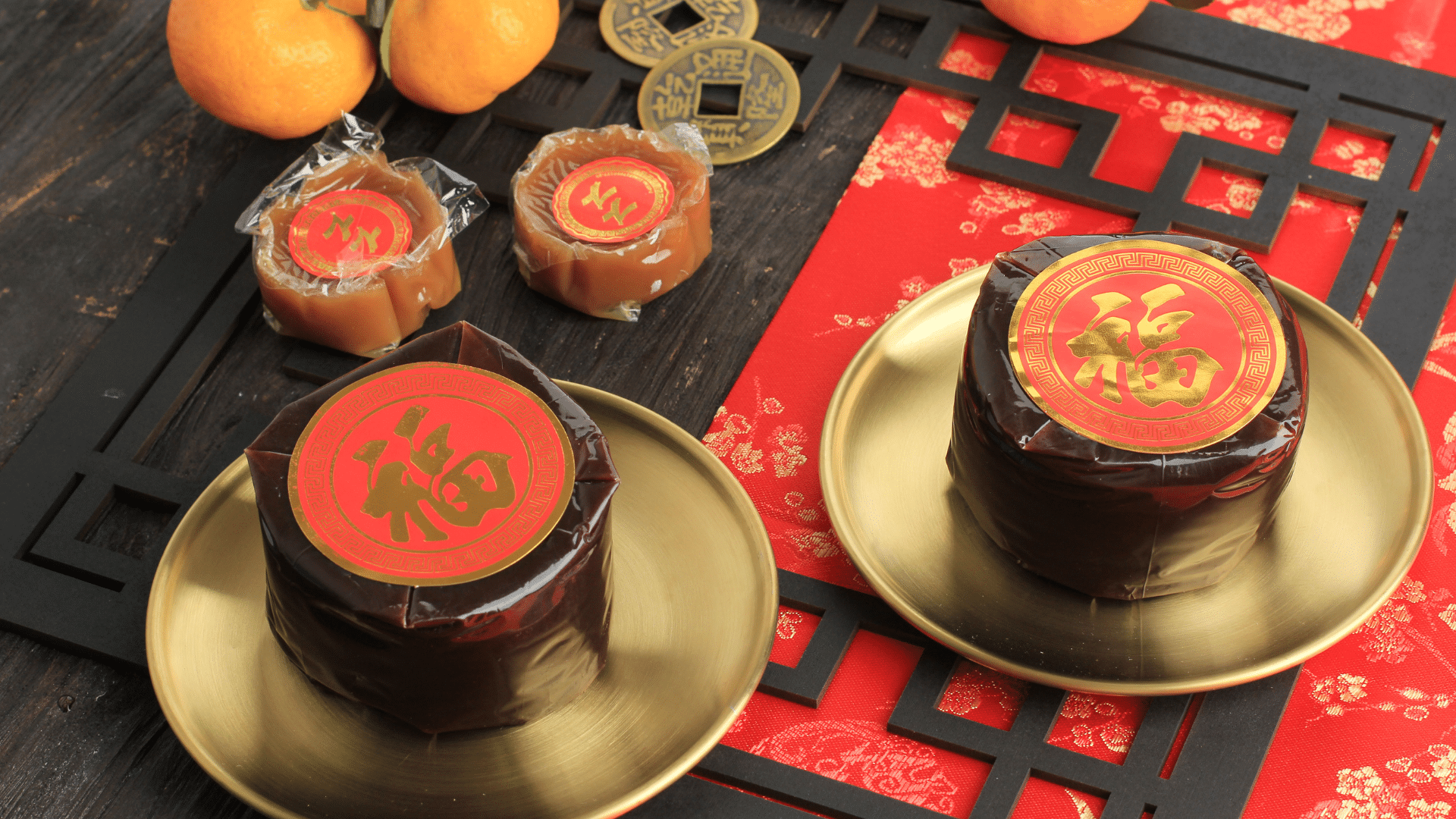
Photo by Canva
Spring Rolls
Golden, crispy spring rolls are another popular Chinese New Year dish, particularly in Southern China and Southeast Asia. Their shape resembles gold bars, making them a clear symbol of wealth.
For buf, spring rolls represent financial prosperity and success. They are often served as an appetizer, setting an auspicious tone for the rest of the meal.
The crunchy exterior and savory filling also make spring rolls a crowd favorite, bridging tradition with universal appeal.
Yu Sheng (Prosperity Toss Salad)
Yu Sheng is one of the most iconic Chinese New Year dishes in Southeast Asia, particularly in Singapore, Malaysia, and Indonesia. Unlike many traditional Chinese dishes, Yu Sheng is considered a modern Chinese New Year creation with strong regional identity.
The dish features raw fish (commonly salmon), shredded vegetables, pickled ginger, and a sweet-savory sauce. What makes Yu Sheng special is the tossing ritual known as lo hei. Everyone stands around the table, tossing the salad high into the air with chopsticks while shouting auspicious phrases.
For buf, the higher the toss, the greater the luck is believed to be. Each ingredient also carries meaning: carrots for good fortune, green radish for youth, sesame seeds for abundance, and sauce for sweetness in life.
Yu Sheng is not traditionally eaten in Mainland China, but it has become an essential part of Chinese New Year celebrations across Southeast Asia.
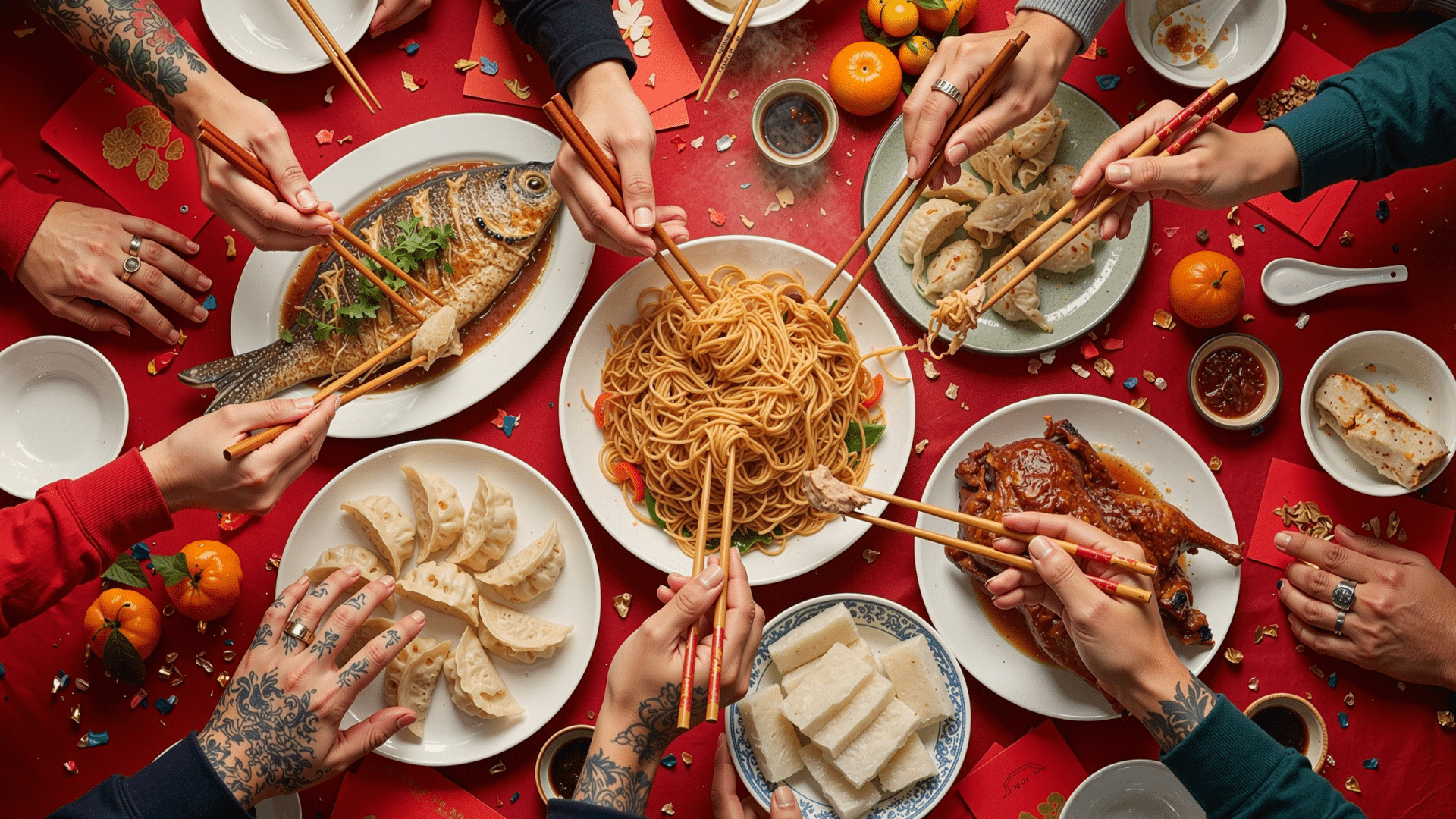
Photo by Canva
Chinese New Year Foods Across Different Regions
Chinese New Year food traditions vary widely depending on the region. In Northern China, dumplings dominate the table, while Southern China favors rice-based dishes like Nian Gao.
For buf living in Southeast Asia, Chinese New Year food often reflects a blend of Chinese heritage and local influence. Yu Sheng, sweeter flavors, and elaborate reunion dinners at restaurants are common.
These regional variations highlight how migration and cultural adaptation have shaped Chinese New Year food traditions without losing their symbolic core.
Foods to Avoid During Chinese New Year and Why
Just as there are lucky foods, there are also foods traditionally avoided during Chinese New Year.
Congee is often associated with poverty and hardship, making it an inauspicious choice. Bitter foods are avoided as they symbolize a difficult year ahead. Foods that are broken, cut, or incomplete are also discouraged, as they imply loss or separation.
For buf, these food taboos are less about strict rules and more about preserving positive symbolism during the celebration.
Just as there are lucky foods, there are also foods traditionally avoided during Chinese New Year.
Congee is often associated with poverty and hardship, making it an inauspicious choice. Bitter foods are avoided as they symbolize a difficult year ahead. Foods that are broken, cut, or incomplete are also discouraged, as they imply loss or separation.
For buf, these food taboos are less about strict rules and more about preserving positive symbolism during the celebration.
Modern Chinese New Year Food Traditions Today
Modern Chinese New Year celebrations have evolved significantly. Many families now opt for reunion dinners at restaurants, featuring multi-course menus designed around auspicious themes.
Health-conscious versions of traditional dishes are becoming more popular, as are fusion interpretations that blend Chinese flavors with Western techniques. Yu Sheng presentations have also become more theatrical, driven by social media trends and group celebrations.
For buf, modern Chinese New Year food traditions offer flexibility honoring the symbolism while adapting to contemporary lifestyles.
FAQ About Chinese New Year Food
Q1: What foods are considered lucky during Chinese New Year?What foods are considered lucky during Chinese New Year?
A: Lucky foods include dumplings, fish, longevity noodles, Nian Gao, spring rolls, and Yu Sheng, each symbolizing prosperity, abundance, or longevity.
Q2: Why is fish important during Chinese New Year?Why is fish important during Chinese New Year?
A: Fish represents abundance and surplus due to its pronunciation being similar to the word for “extra” or “more.”Fish represents abundance and surplus due to its pronunciation being similar to the word for “extra” or “more.”
Q3: Is Yu Sheng eaten in China?
A: Yu Sheng is primarily a Southeast Asian Chinese New Year tradition and is not commonly eaten in Mainland China.Yu Sheng is primarily a Southeast Asian Chinese New Year tradition and is not commonly eaten in Mainland China.
Q4: Can Chinese New Year food be prepared in advance?
A: Many dishes can be prepared ahead of time, but symbolic dishes like fish and Yu Sheng are best served fresh.Many dishes can be prepared ahead of time, but symbolic dishes like fish and Yu Sheng are best served fresh.
Q5: What desserts are popular during Chinese New Year?
A: Nian Gao, sesame balls, and sweet dumplings are among the most popular Chinese New Year desserts.
Conclusion
Chinese New Year food is more than a festive feast; it is a collection of hopes, values, and traditions passed down through generations. For buf, understanding the meaning behind each dish transforms the celebration into something deeply personal and intentional.
Whether buf is tossing Yu Sheng with friends or savoring a simple bowl of longevity noodles, each bite carries a wish for prosperity, health, and happiness in the year ahead.

