
Traditional Chinese New Year Foods and Their Meanings
When Chinese New Year arrives, buf will notice one thing almost immediately oranges are everywhere. On dining tables, stacked neatly in bowls, arranged in pairs near the entrance, or displayed alongside traditional treats, oranges quietly take their place as one of the most recognizable symbols of Lunar New Year.
In Chinese culture, food is never just food. Every dish, fruit, and ingredient carries intention, symbolism, and hope for the year ahead. Oranges, in particular, hold a meaning that goes far beyond their sweet and refreshing taste. They represent prosperity, good fortune, and a fresh start of values deeply rooted in Chinese New Year traditions.
So why are oranges so closely tied to this celebration? Let’s take a closer look at the cultural, linguistic, and symbolic reasons behind this iconic fruit.
Oranges as a Symbol of Good Luck and Wealth
One of the strongest reasons oranges are associated with Chinese New Year is their visual symbolism. The bright orange color closely resembles gold, a long-standing symbol of wealth, abundance, and prosperity in Chinese culture. During Lunar New Year, everything from decorations to food leans toward colors that represent good fortune, and oranges fit perfectly into that visual language.
Beyond color, shape also matters. Oranges are round, and roundness symbolizes completeness, unity, and harmony. A round fruit represents a full circle, something whole and unbroken which aligns with the hope for family unity and a smooth year ahead.
For buf, this explains why oranges often appear untouched for days during the celebration. They are not placed on the table merely to be eaten immediately, but to serve as a visible blessing, a quiet reminder of prosperity and positive energy for the household.
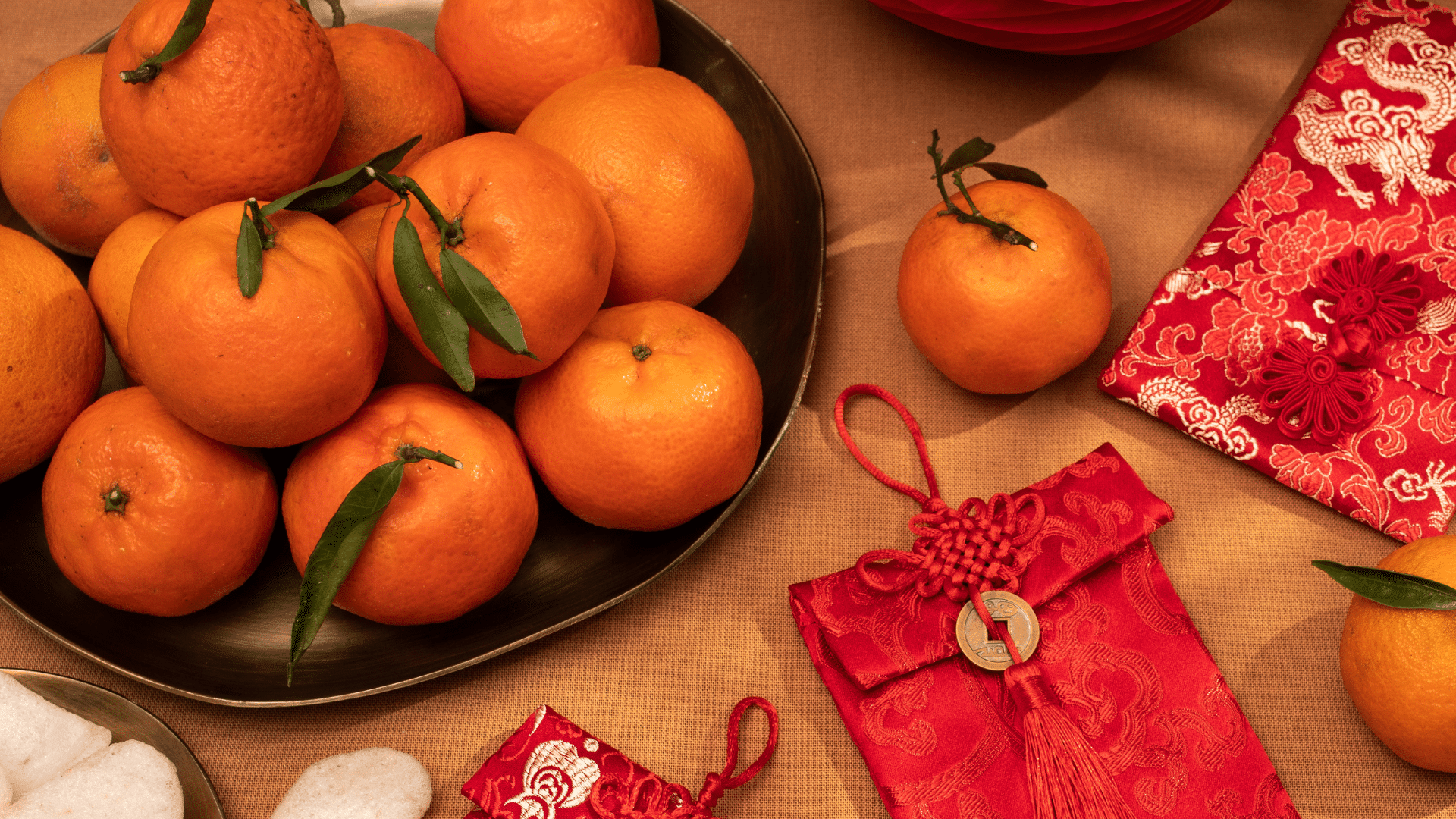
Photo by Canva
The Linguistic Meaning Behind Oranges
Language plays a crucial role in Chinese New Year symbolism, and oranges benefit greatly from this tradition. In Mandarin, the word for orange, 橙 (chéng), sounds similar to 成 (chéng), which means “success” or “achievement.” This phonetic similarity makes oranges an auspicious symbol for success in business, career, and personal goals.
In Cantonese and Hokkien dialects, oranges are often associated with words that resemble “gold” or “luck.” These linguistic connections reinforce the fruit’s positive meaning and explain why oranges are favored over many other fruits during Lunar New Year.
Chinese culture places great importance on homophones and wordplay, especially during festive occasions. Foods that sound like positive words are believed to attract good outcomes. For buf, understanding this linguistic layer reveals why oranges are not just seasonal produce; they are intentional symbols chosen for their sound, meaning, and cultural resonance.
Oranges on the Chinese New Year Table
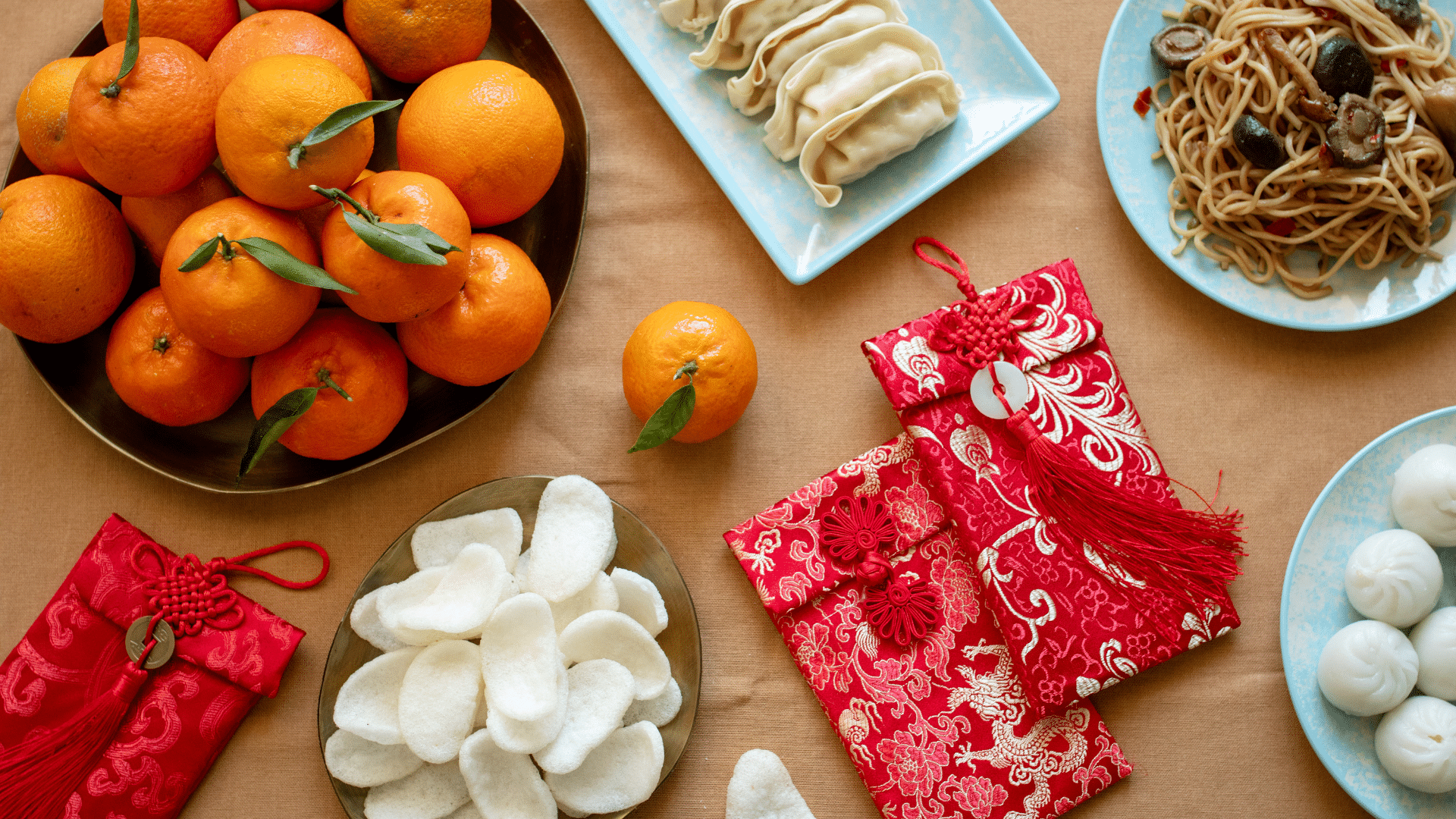
Photo by Canva
During Chinese New Year, the dining table becomes more than a place to eat; it transforms into a space of symbolism and storytelling. Oranges are commonly placed alongside traditional foods such as sticky rice cake, sweet snacks, and dried fruits, contributing to a spread that reflects abundance and generosity.
Oranges are often displayed in pairs or grouped neatly in bowls. This presentation emphasizes balance and harmony, values that are especially important at the start of a new year. Even when buf sees oranges sitting quietly on a side table, their presence signals readiness to welcome good fortune into the home.
Oranges are one of the simplest yet most meaningful items on the Lunar New Year table. They require no preparation, yet their symbolism is immediately understood across generations.
Health Symbolism: A Fresh Start for the New Year
Beyond cultural meaning, oranges also carry health symbolism that aligns naturally with Chinese New Year themes. Rich in vitamin C and antioxidants, oranges represent vitality and wellness qualities many families hope for in the coming year.
Chinese New Year marks a reset, a chance to leave behind the past and begin again. Oranges, with their fresh aroma and juicy sweetness, reflect this sense of renewal. Their bright color and refreshing taste suggest energy, clarity, and a clean start.
For buf, this health aspect makes oranges a particularly fitting fruit for the season. They bridge tradition and practicality, offering both symbolic value and nutritional benefits without effort.
Types of Oranges Commonly Used During Lunar New Year
Not all oranges are equal when it comes to Chinese New Year traditions. Certain varieties are preferred because of their sweetness, size, and ease of sharing.
Mandarin oranges
Mandarin oranges are the most common choice. They are small, bright, and naturally sweet, making them ideal for gifting and display. Their size also allows them to be arranged neatly in pairs or groups.
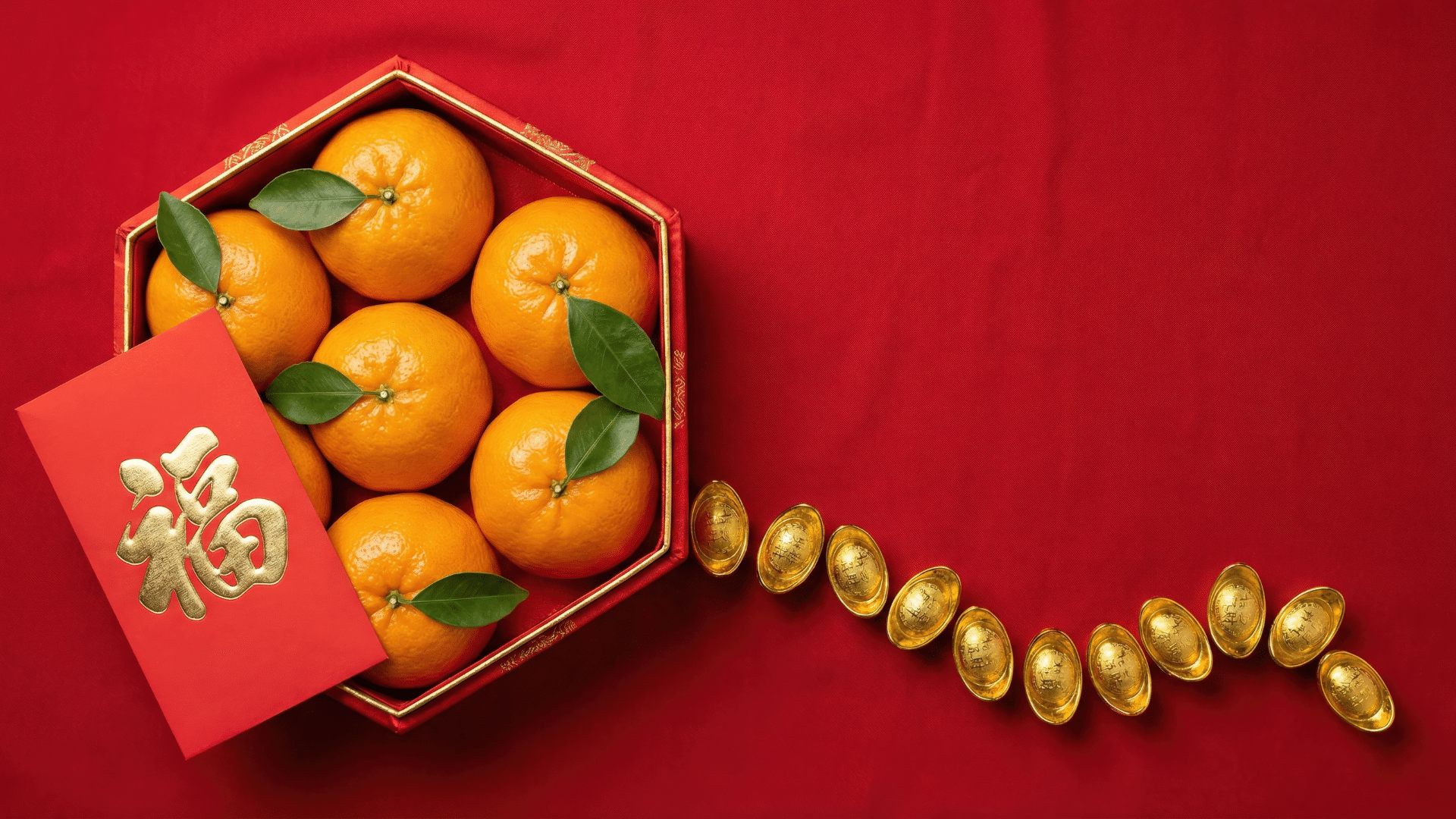
Photo by Canva
Tangerines and Clementines
Tangerines and clementines are also popular, especially in regions where mandarin oranges are not widely available. These varieties share similar characteristics: easy to peel, pleasantly sweet, and visually appealing.

Photo by Canva
Cultural Dos and Don’ts Around Oranges
While oranges are considered auspicious, there are still unspoken rules surrounding their use during Chinese New Year.
Freshness is essential. Oranges should be clean, firm, and free from blemishes. Giving or displaying spoiled fruit is believed to invite negative energy.
Numbers also matter. Oranges are typically presented in even numbers, as even numbers symbolize balance and harmony. Odd numbers are generally avoided during festive occasions.
Presentation should never be careless. Oranges are often arranged thoughtfully, reinforcing the idea that blessings should be treated with respect. For buf, understanding these small cultural details helps avoid unintended missteps during the celebration.
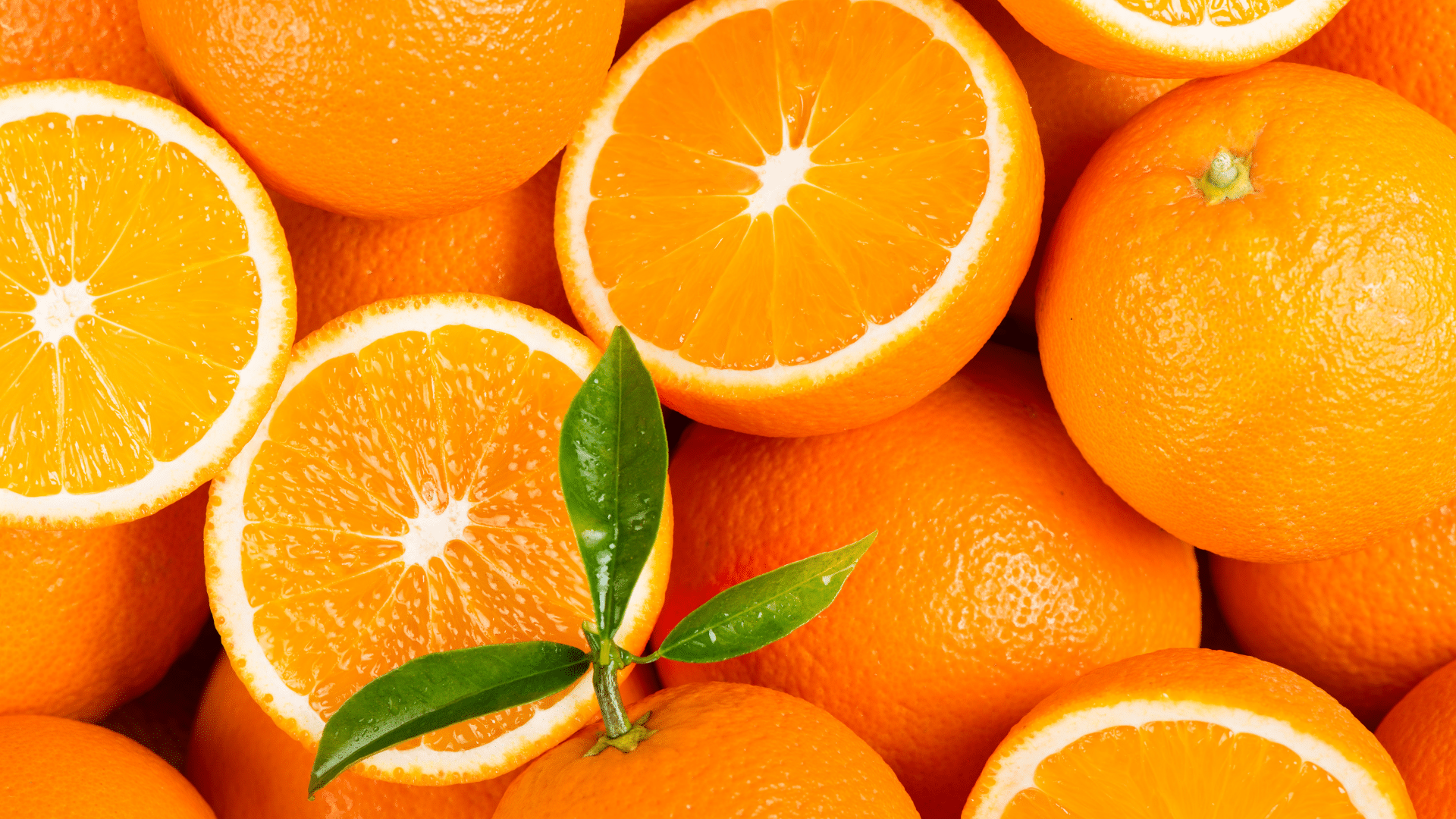
Photo by Canva
Frequently Asked Questions (FAQ)
Q1: Why are oranges important during Chinese New Year?
A: Oranges are important during Chinese New Year because they symbolize good luck, wealth, and prosperity. Their golden-orange color represents abundance, while their round shape reflects unity and completeness, making them a meaningful fruit for welcoming the new year.
Q2: What do oranges symbolize in Chinese culture?
A: In Chinese culture, oranges symbolize success, fortune, and positive energy. This meaning comes from their appearance as well as linguistic associations, where the word for orange sounds similar to words related to success and good outcomes.
Q3: Are oranges eaten or mainly used for decoration during Lunar New Year?
A: Oranges serve both purposes during Lunar New Year. They are often displayed as symbols of good fortune throughout the celebration and later enjoyed as a refreshing, seasonal fruit that represents a fresh start for the year ahead.
Q4: Which type of orange is best for Chinese New Year?
A: Mandarin oranges are the most commonly used for Chinese New Year because they are small, sweet, easy to peel, and visually appealing. Tangerines and clementines are also popular alternatives, especially outside East Asia.
Q5: Is there any cultural rule when using oranges during Chinese New Year?
A: Yes, there are a few cultural guidelines. Oranges should be fresh and presented neatly, often in even numbers to symbolize balance and harmony. Damaged or spoiled fruit is avoided, as it is believed to bring negative energy.
Conclusion: A Small Fruit With Deep Meaning
Oranges may seem like a simple seasonal fruit, but during Chinese New Year, they carry layers of meaning shaped by culture, language, and tradition. They symbolize wealth through color, success through sound, unity through shape, and renewal through freshness.
For buf, recognizing the meaning of oranges adds depth to the celebration. Each orange on the table becomes more than decoration; it becomes a quiet wish for prosperity, health, and harmony in the year ahead.
So when buf sees a bowl of oranges during Lunar New Year, remember this: it is not just fruit. It is tradition, hope, and a fresh beginning wrapped in a bright orange peel.

