
Ramadan and Eid are not only spiritual moments, but also deeply cultural ones especially when it comes to food. Across different countries, meals during fasting and Eid are thoughtfully prepared to restore energy, respect tradition, and bring people together. While ingredients and flavors vary, the purpose remains the same: nourishment after restraint and celebration after patience.
For buf who loves food stories, this article explores 10 traditional foods enjoyed during Ramadan fasting and Eid celebrations around the world, highlighting their cultural meaning, ingredients, and why they matter during this holy season.
Why Food Plays a Special Role During Ramadan and Eid
During Ramadan, Muslims fast from dawn to sunset, abstaining from food and drink. Because of this, meals such as iftar (breaking the fast) and suhoor (pre-dawn meal) are designed to be balanced, energizing, and gentle on digestion.
Eid, which marks the end of Ramadan, shifts the focus from restraint to celebration. Food becomes a symbol of gratitude, generosity, and togetherness often shared with family, neighbors, and guests.
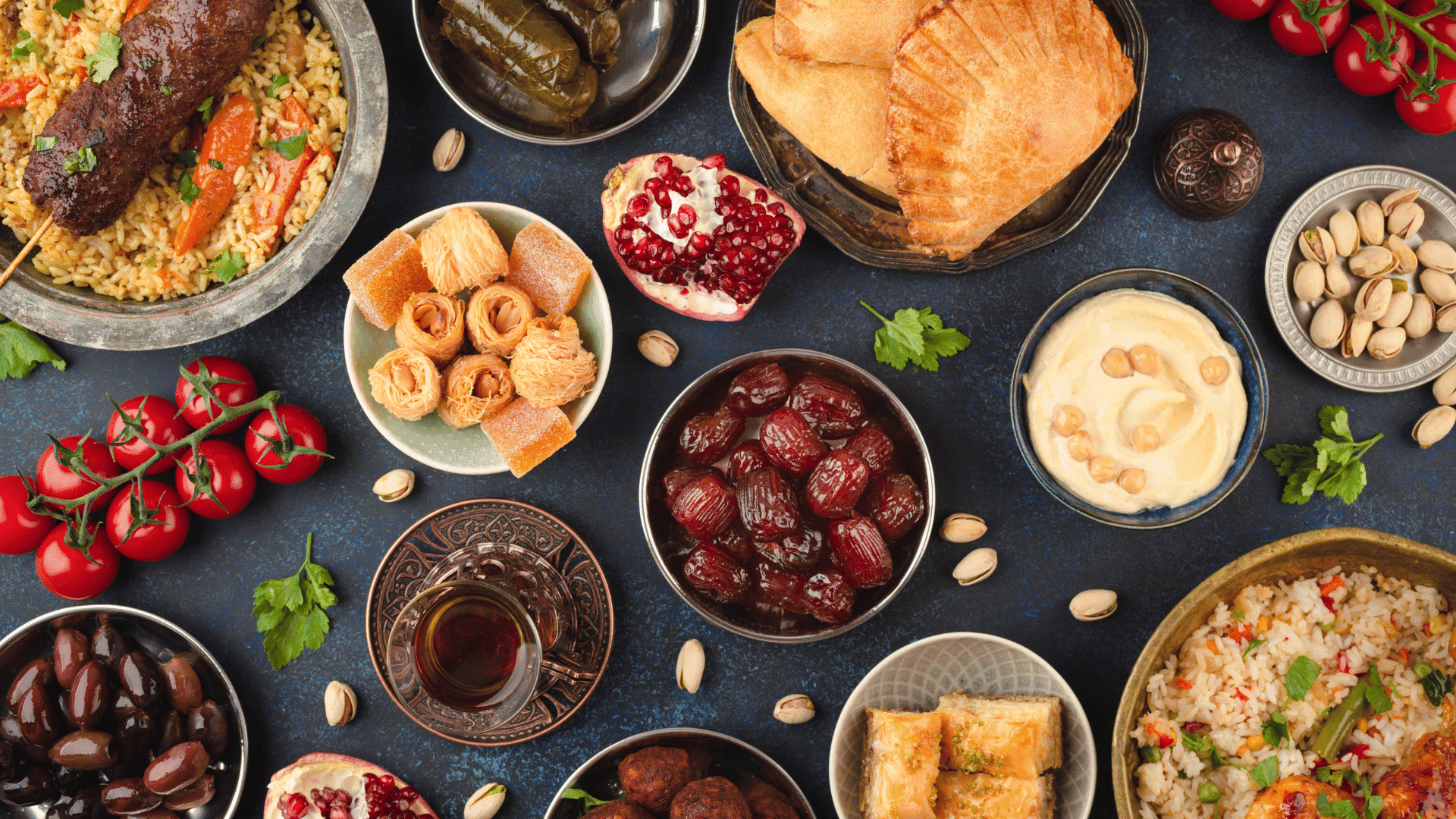
Photo by Canva
1. Dates — The Universal Iftar Food (Middle East & Beyond)
Dates are arguably the most iconic food of Ramadan. Traditionally eaten to break the fast, dates are naturally rich in glucose, fiber, potassium, and magnesium.
From the Middle East to Southeast Asia, buf will find dates on almost every iftar table.
Why dates are ideal for fasting:
- Provide quick energy after long fasting hours
- Easy to digest
- Help stabilize blood sugar levels
Many Muslims follow the tradition of breaking the fast with dates and water before consuming heavier meals.
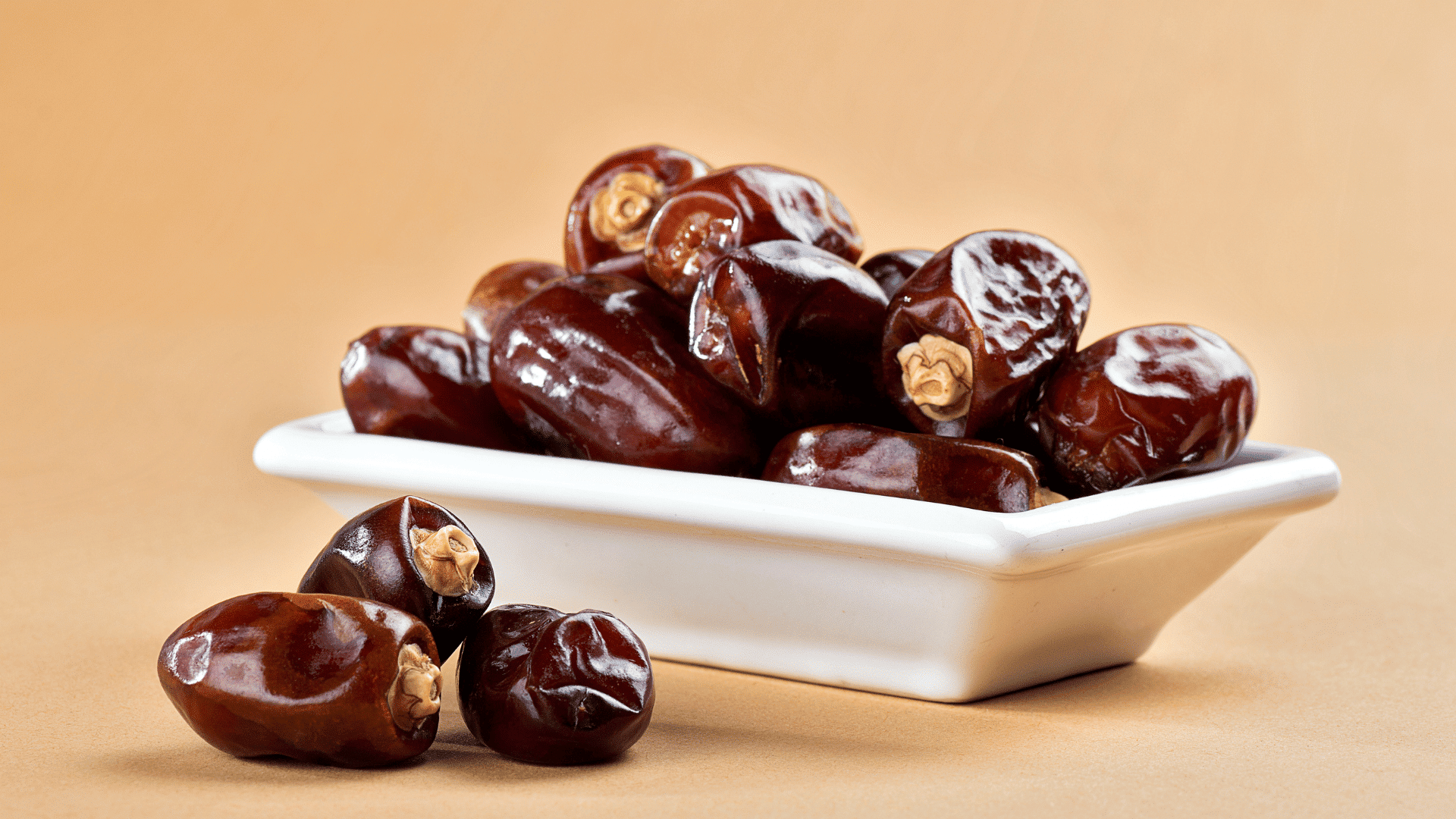
Photo by Canva
2. Harira — Comforting Iftar Soup (Morocco)
Harira is a thick, aromatic soup made from tomatoes, lentils, chickpeas, herbs, and meat. In Morocco, Ramadan evenings are incomplete without a bowl of harira served alongside dates and traditional pastries.
Cultural significance:
Harira represents warmth and nourishment after a day of fasting, often prepared in large batches for family gatherings.
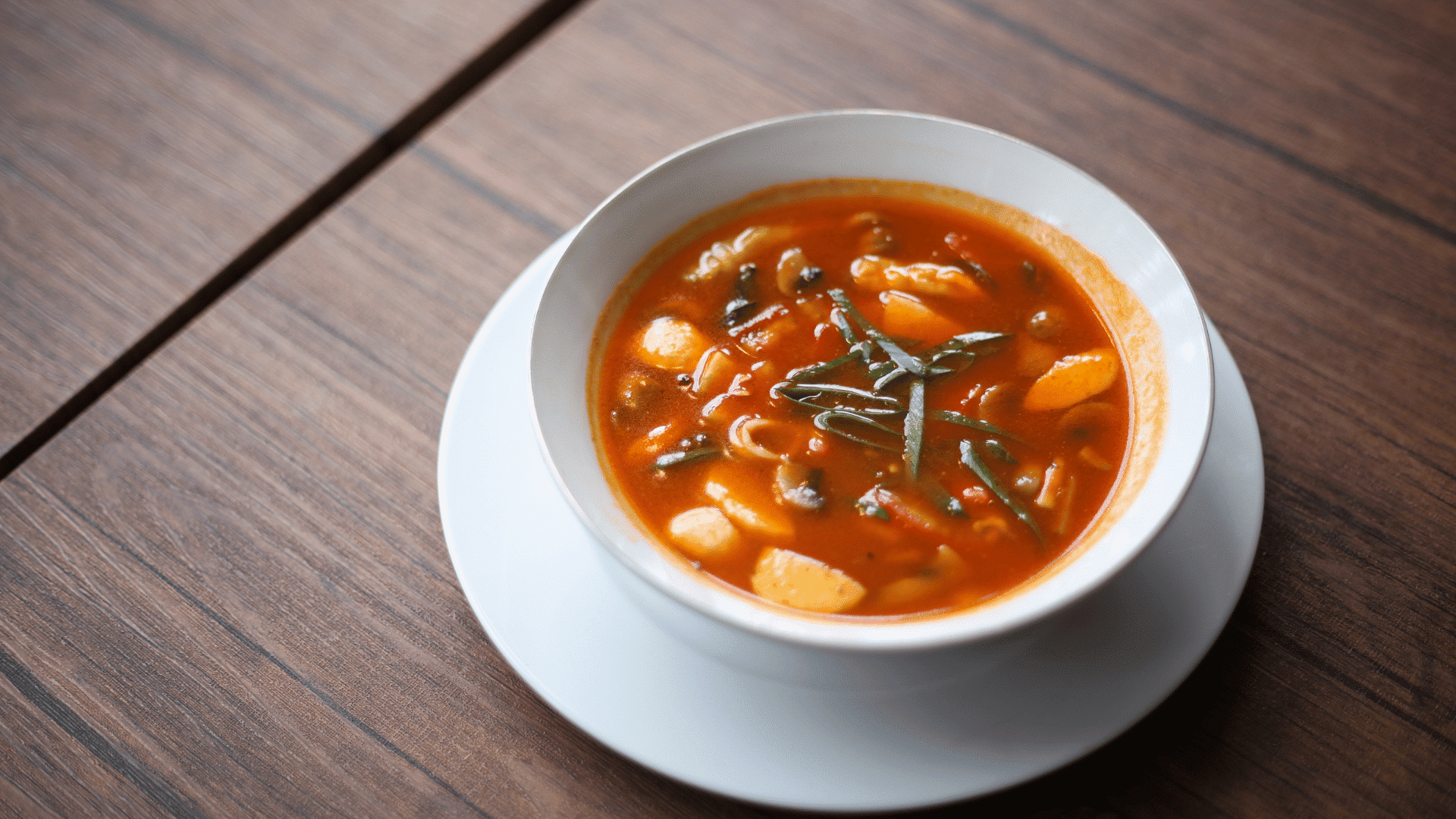
Photo by Canva
3. Samosa — Crispy Iftar Favorite (South Asia & East Africa)
Samosas are deep-fried pastries filled with spiced potatoes, vegetables, or minced meat. Popular in India, Pakistan, Bangladesh, and parts of East Africa, samosas are one of the most anticipated iftar snacks.
Why samosas are popular during Ramadan:
- Easy to portion
- Satisfying without being too heavy
- Ideal for sharing
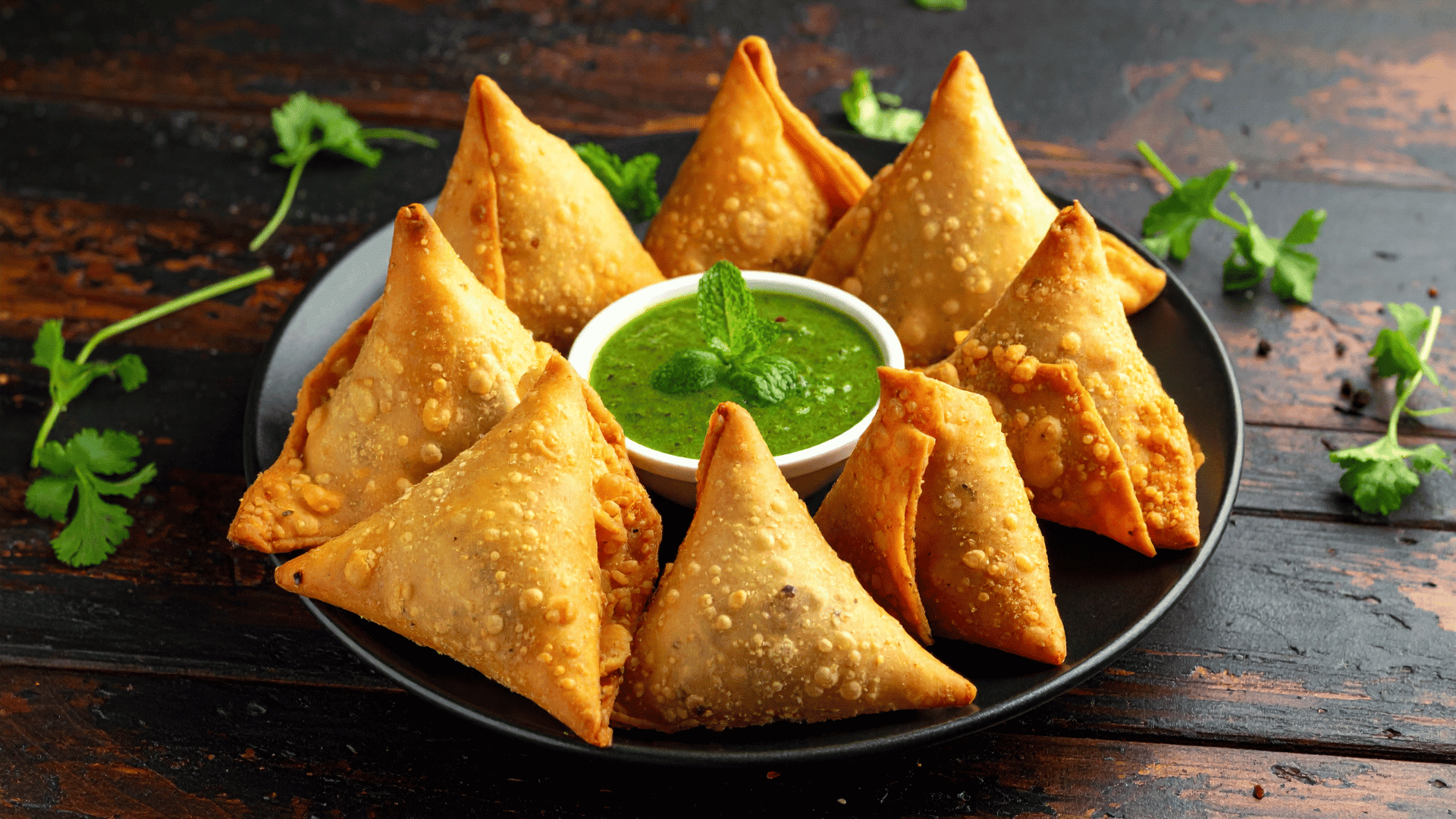
Photo by Canva
4. Kolak — Sweet Iftar Dessert (Indonesia)
Kolak is a beloved Indonesian Ramadan dessert made from bananas, sweet potatoes, coconut milk, and palm sugar. During Ramadan, kolak is widely sold at street stalls and Ramadan bazaars.
Why kolak works for iftar:
Its natural sweetness helps restore energy gently while coconut milk adds richness without overwhelming the stomach.
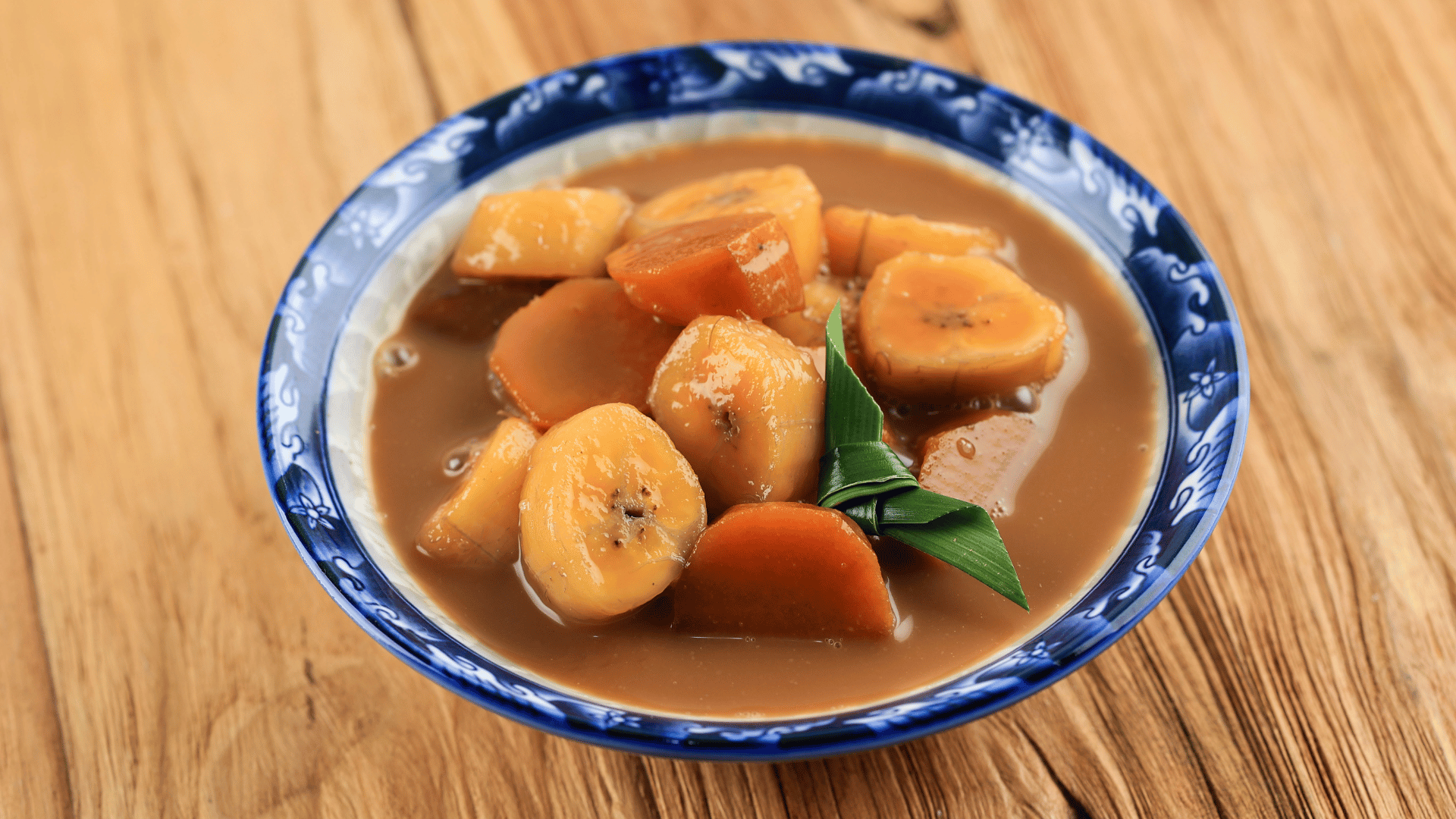
Photo by Canva
5. Sheer Khurma — Classic Eid Morning Dish (South Asia)
Sheer khurma is a festive vermicelli pudding cooked with milk, dates, nuts, and aromatic spices like cardamom. It is traditionally served on Eid morning, often as the first dish after prayer.
Symbolism:
Sheer khurma represents abundance, hospitality, and celebration, making it a centerpiece of Eid feasts.
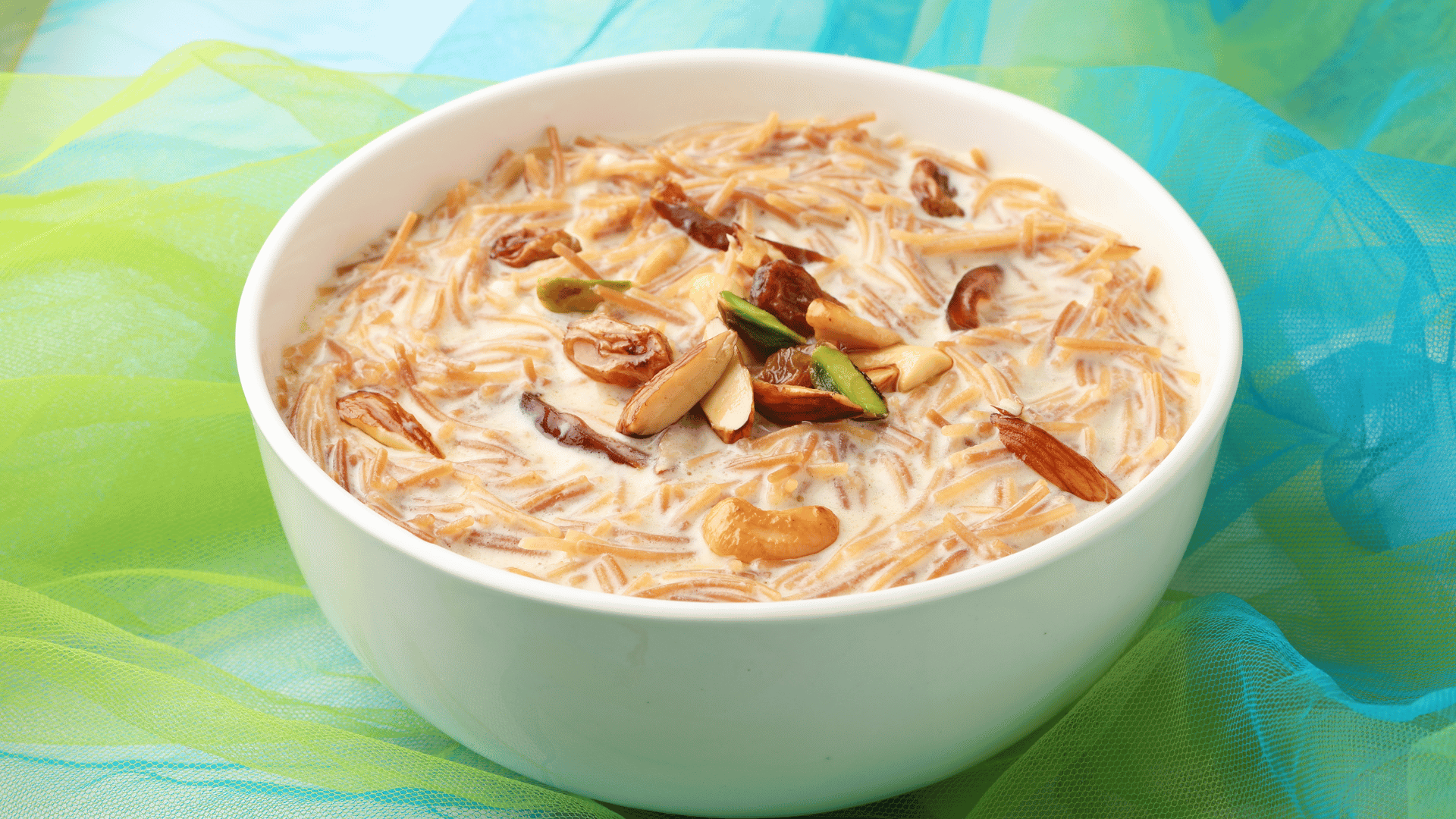
Photo by Canva
6. Haleem — Nourishing Slow-Cooked Stew (South Asia & Middle East)
Haleem is a hearty dish made by slow-cooking wheat, lentils, and meat until smooth and thick. Because of its nutritional density, haleem is commonly eaten during iftar or late-night meals.
Why haleem is ideal after fasting:
- High in protein and complex carbohydrates
- Keeps buf full longer
- Restores energy effectively
7. Ketupat — Iconic Eid Food (Indonesia & Malaysia)
Ketupat is a compressed rice cake wrapped in woven palm leaves. During Eid, ketupat is served with savory dishes such as rendang, opor ayam, or satay.
Cultural meaning:
In Indonesian and Malaysian culture, ketupat symbolizes forgiveness, purity, and a fresh start values closely associated with Eid.
8. Baklava — Sweet Celebration Dessert (Turkey & Middle East)
Baklava is a layered pastry made from phyllo dough, nuts, and syrup or honey. While enjoyed year-round, baklava becomes especially popular during Ramadan nights and Eid visits.
Best way to enjoy:
Small portions paired with tea or Arabic coffee.
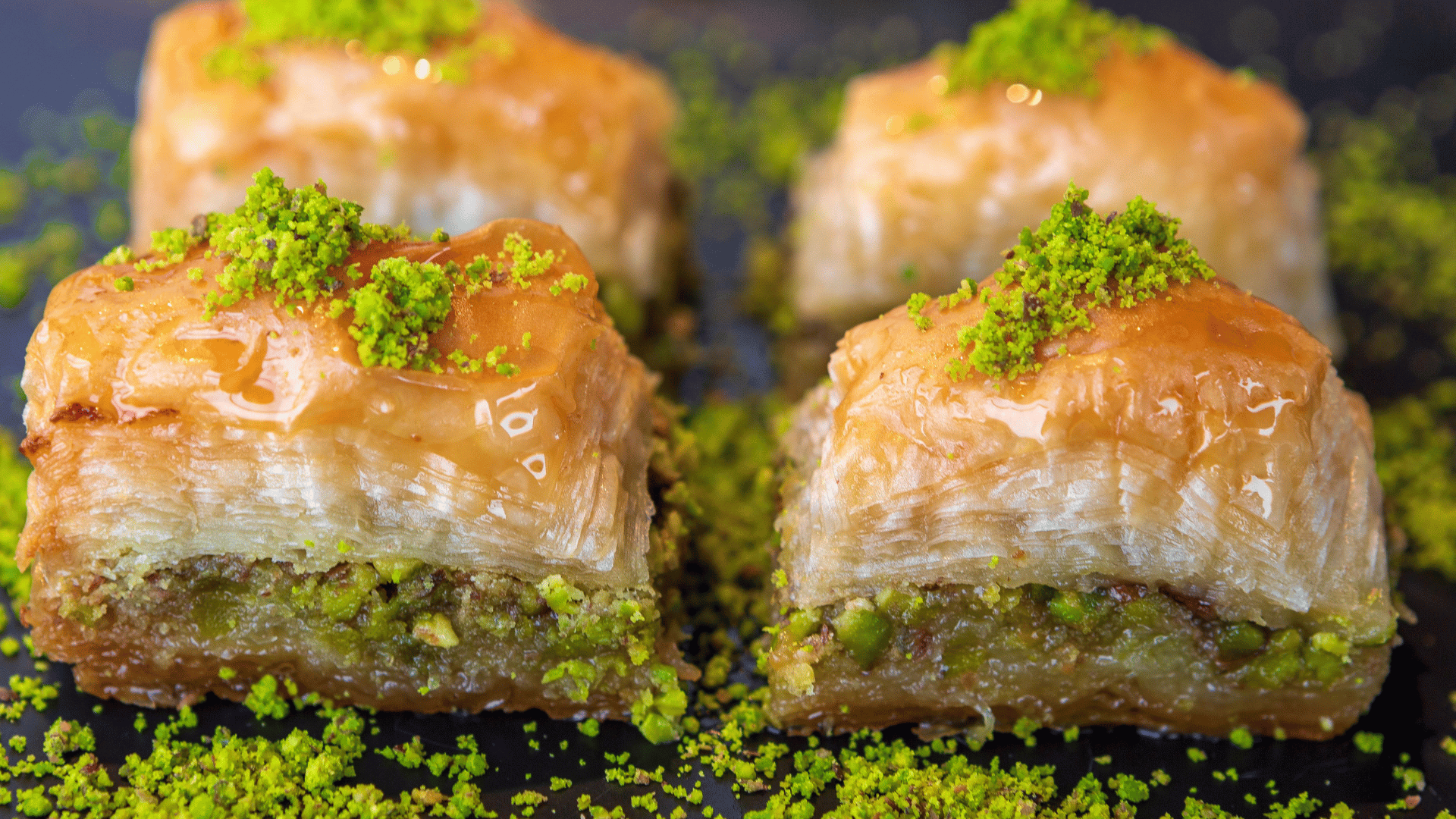
Photo by Canva
9. Luqaimat — Bite-Sized Iftar Treat (Gulf Countries)
Luqaimat are small fried dough balls, crispy on the outside and soft inside, drizzled with date syrup or honey. They are commonly served warm during iftar in Gulf countries.
Why buf will love luqaimat:
Quick to prepare, easy to share, and perfectly balanced between crunchy and fluffy.
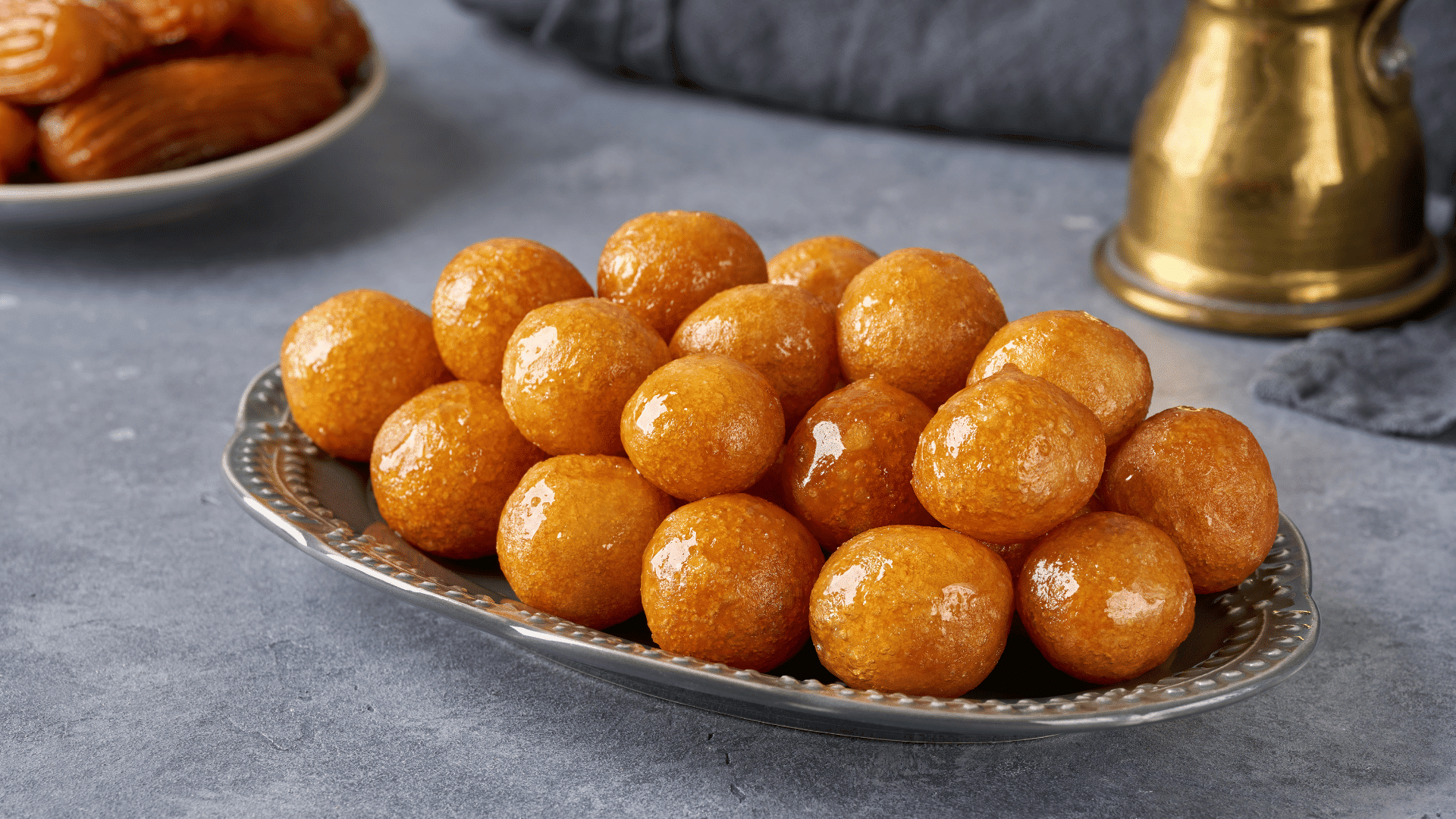
Photo by Canva
10. Kunafa — Iconic Ramadan Dessert (Middle East)
Kunafa is a rich dessert made with shredded pastry, melted cheese or cream, and sugar syrup. It is especially popular during Ramadan evenings and Eid celebrations.
Texture highlight:
Crispy top, gooey center, and fragrant syrup making kunafa a true festive indulgence.
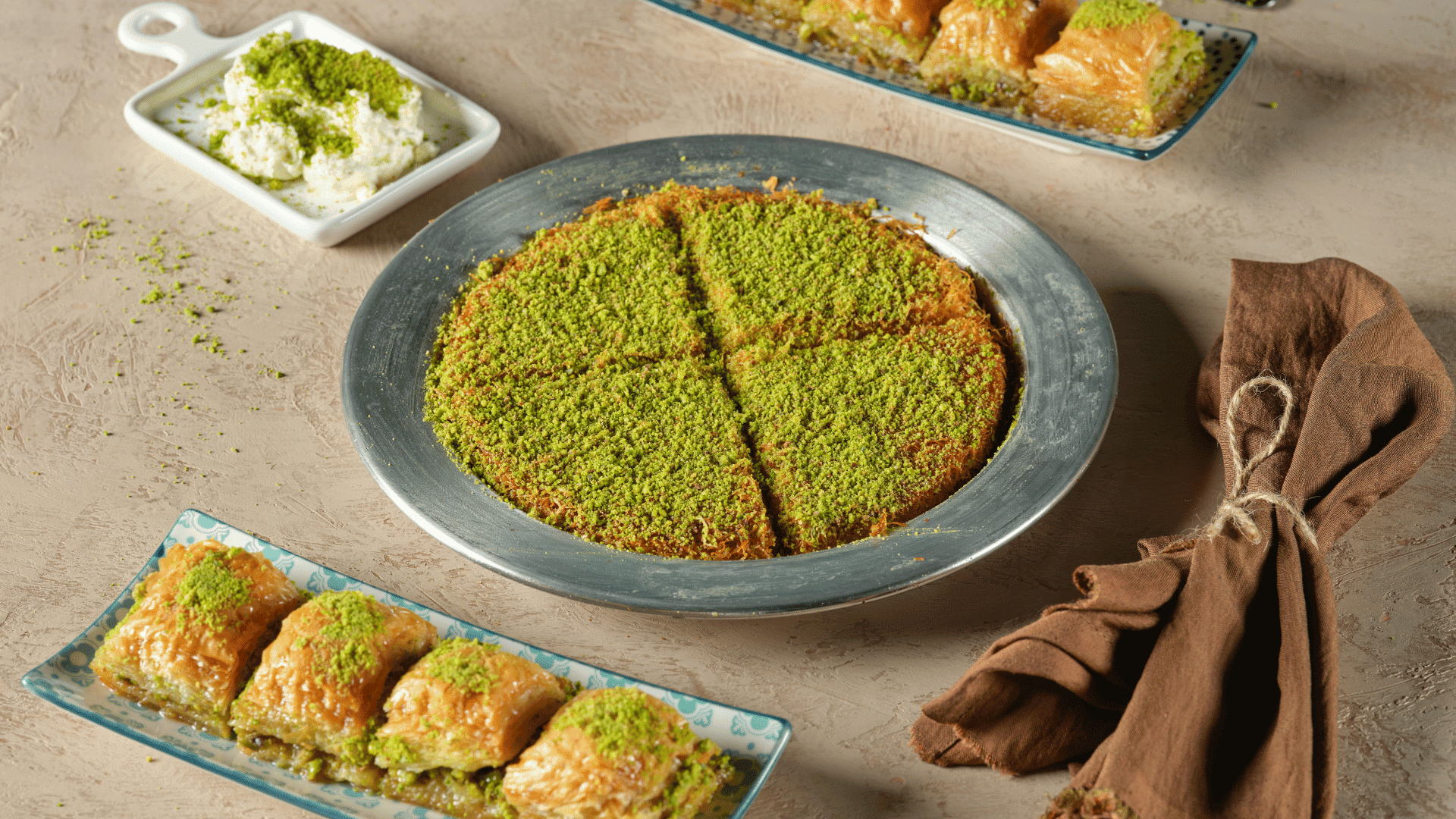
Photo by Canva
What These Ramadan and Eid Foods Have in Common
Despite regional differences, these foods share common values:
- Designed to restore energy after fasting
- Encouraging sharing and togetherness
- Rooted in cultural and religious tradition
- Often prepared with care and intention
For buf, exploring these dishes is also a way to understand how food connects spirituality, culture, and community across the world.
Final Thoughts
Ramadan and Eid foods go far beyond taste. They tell stories of patience, gratitude, and celebration. From a simple date to elaborate festive desserts, each dish reflects how communities honor fasting and togetherness through food.
Its once-a-year appearance is exactly what makes it special. Nian Gao isn’t just about taste, it’s about tradition, timing, and the shared optimism that comes with welcoming a new year.

