During Ramadan, breaking the fast is more than just eating after a long day without food and water. It is a moment that connects faith, culture, and health. One food has remained at the center of this tradition for centuries: dates.
From mosques in the Middle East to family dining tables across the world, dates are almost always the first thing consumed at iftar. This practice is not random. Dates offer a unique combination of religious significance, fast-acting energy, and scientifically proven health benefits that make them one of the best foods to eat during fasting.
This article breaks down why dates are so important during Ramadan, what science says about their benefits, and how buf can consume them wisely for optimal health.
Dates in Ramadan: Religious and Cultural Significance
Dates hold a special place in Islamic tradition. The Prophet Muhammad (peace be upon him) is reported to have broken his fast with dates and water. This Sunnah has been followed for generations and continues to shape how Muslims observe iftar today.
Beyond religious practice, dates were historically one of the most accessible and nourishing foods in the Arabian Peninsula. They were easy to store, naturally sweet, and packed with energy ideal for people living in hot climates with limited food options.
What is interesting is how modern nutrition science now supports what tradition has practiced for centuries: dates are an ideal food to break a fast.
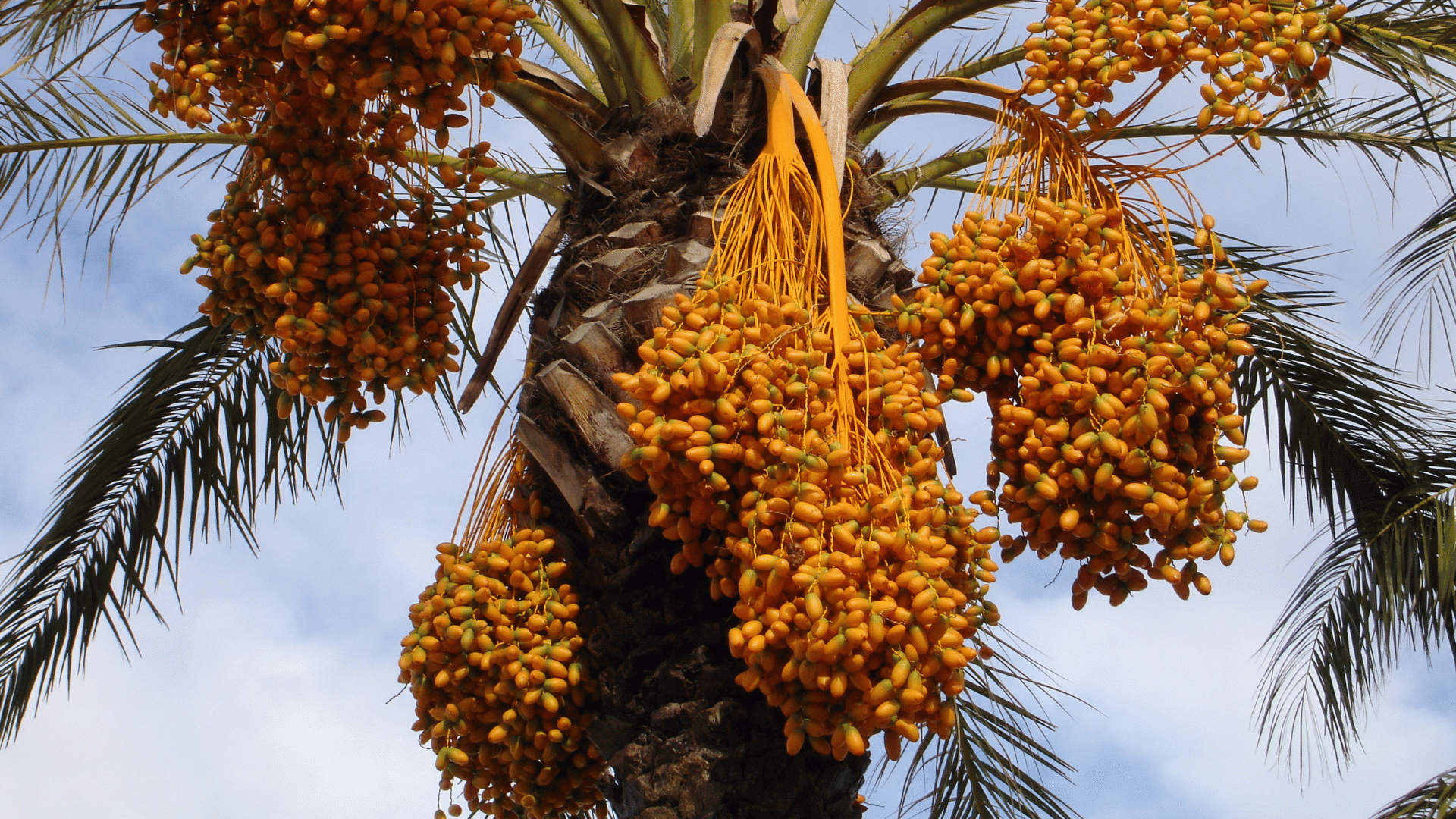
Photo by Canva
Nutritional Profile of Dates: Small Fruit, Dense Nutrition
Dates may look simple, but nutritionally they are far from basic. One to two dates already deliver a concentrated dose of essential nutrients that the body needs after hours of fasting.
Key nutrients in dates include:
- Natural sugars (glucose and fructose) for fast energy
- Dietary fiber for digestive support
- Potassium for electrolyte balance
- Magnesium for muscle and nerve function
- Iron for oxygen transport
- Antioxidants such as flavonoids and phenolic acids
On average, one Medjool date contains around 66 calories, making it calorie-dense but still manageable when consumed in moderation.
This nutrient composition explains why dates are often referred to as a natural energy booster during Ramadan.
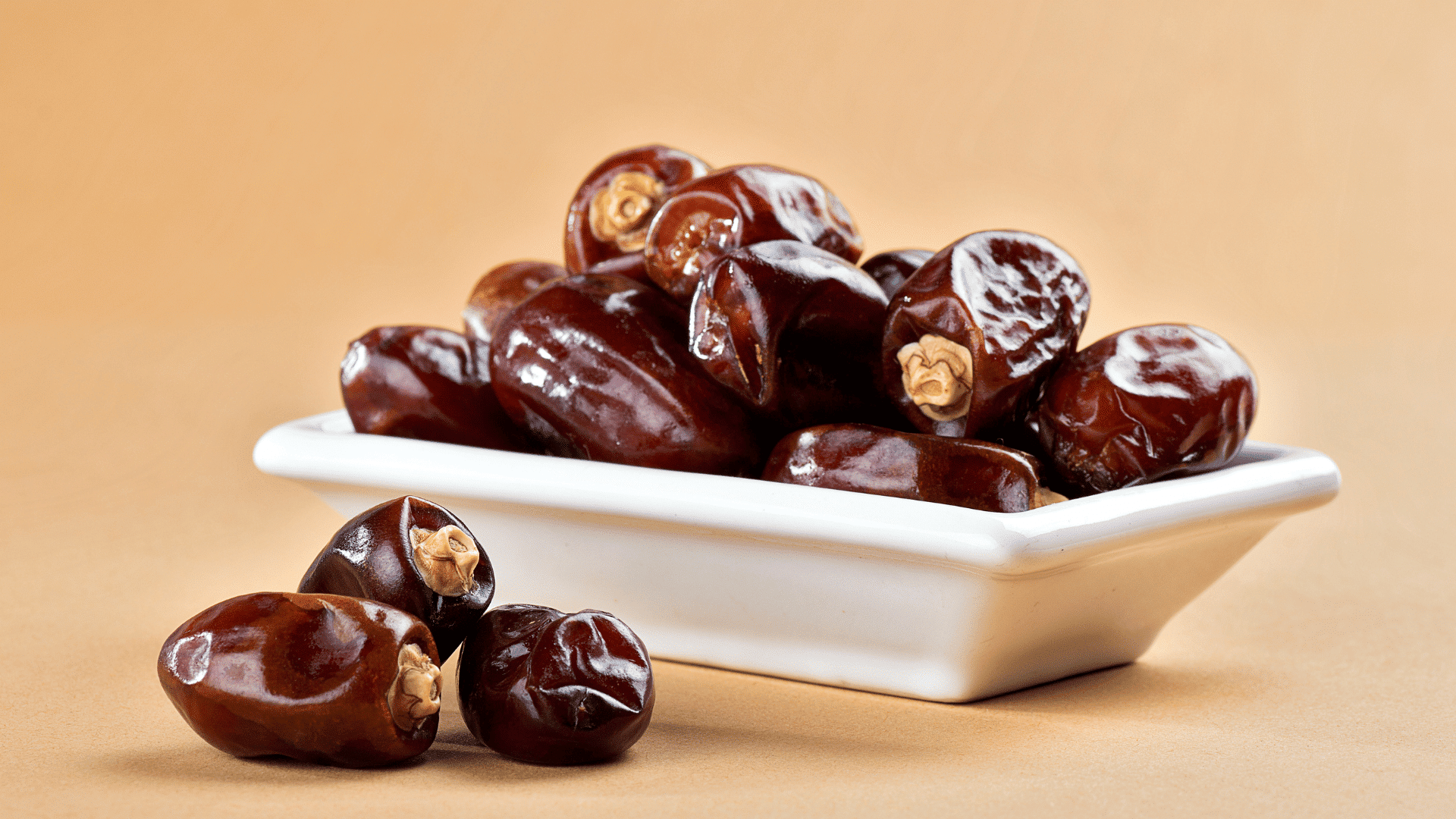
Photo by Canva
Scientifically Proven Health Benefits of Dates During Fasting
1. Instant Energy After Long Fasting Hours
After fasting for 12–16 hours, blood glucose levels tend to drop. Dates contain natural sugars that are quickly absorbed by the body, providing immediate energy without overwhelming the digestive system.
Unlike processed sweets, dates come with fiber that slows sugar absorption slightly, helping to avoid sudden spikes and crashes. Research published in nutrition journals highlights dates as an efficient source of quick energy with a relatively moderate glycemic response when eaten in controlled portions.
For buf, this means dates help the body “wake up” gently after fasting.
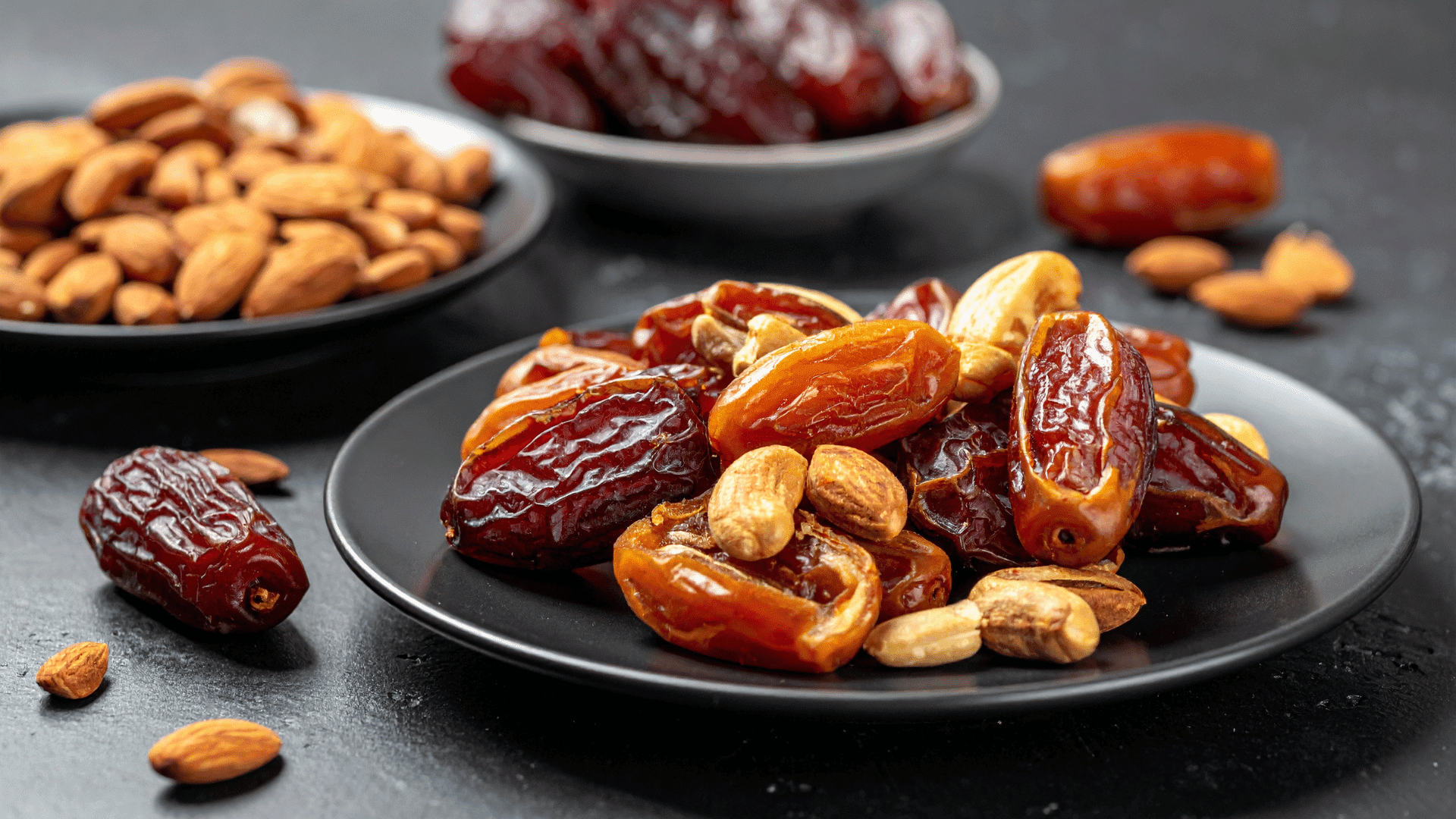
Photo by Canva
2. Supports Digestive Health During Ramadan
Digestive discomfort is common during Ramadan due to irregular eating patterns. Dates are rich in soluble and insoluble fiber, which supports bowel movement and reduces the risk of constipation.
Studies indexed in PubMed show that fiber-rich foods like dates promote gut health by feeding beneficial gut bacteria. This becomes especially important when meals are limited to suhoor and iftar. Eating dates at iftar prepares the digestive system before heavier meals.
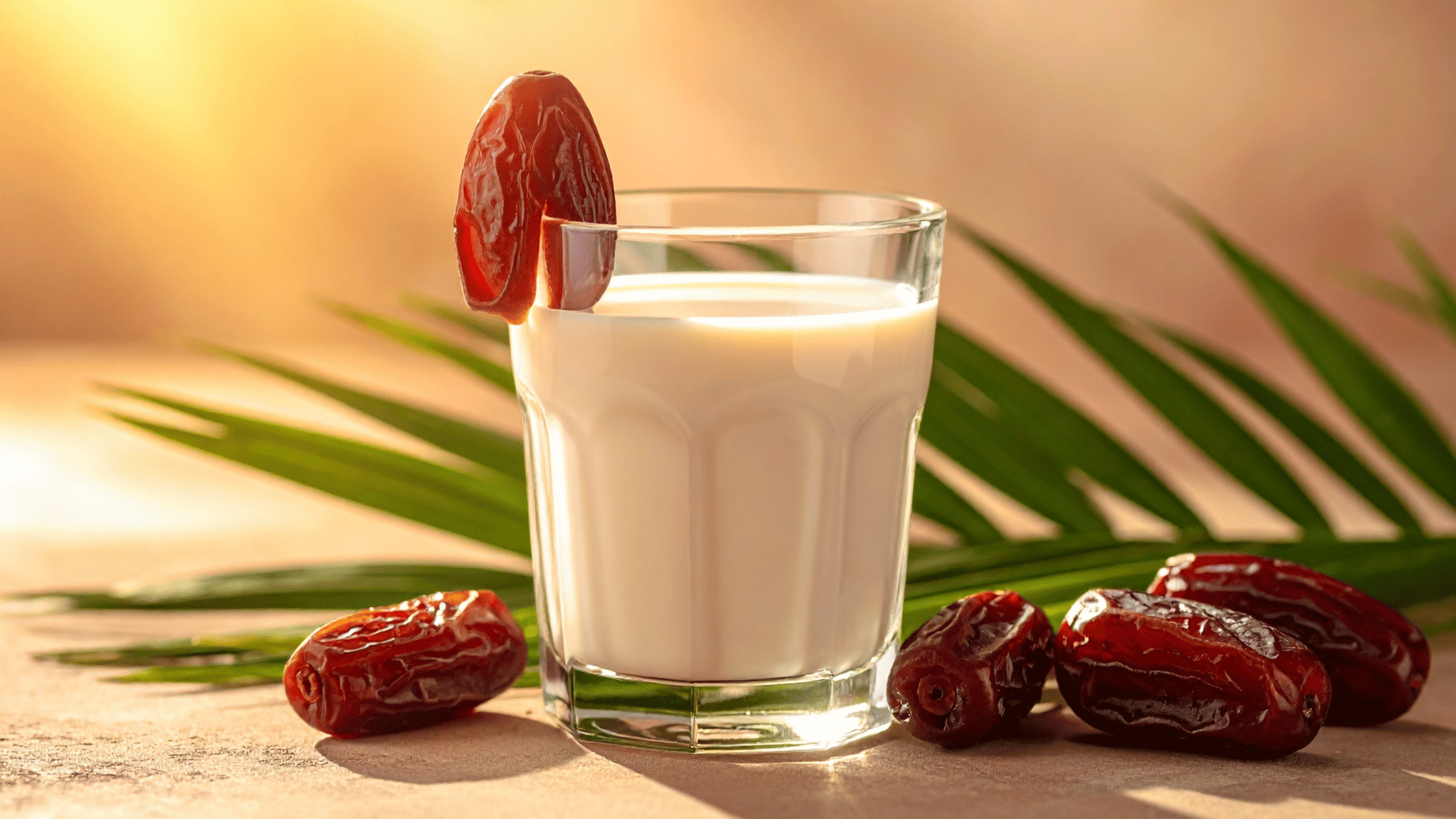
Photo by Canva
3. Helps Prevent Dehydration and Fatigue
Although dates do not replace water, their potassium and magnesium content plays a role in maintaining fluid balance in the body. Potassium helps regulate muscle contractions and prevents cramps, which are common during fasting.
Electrolyte imbalance is one reason people feel weak or dizzy during Ramadan. Dates help reduce this risk when consumed with water.
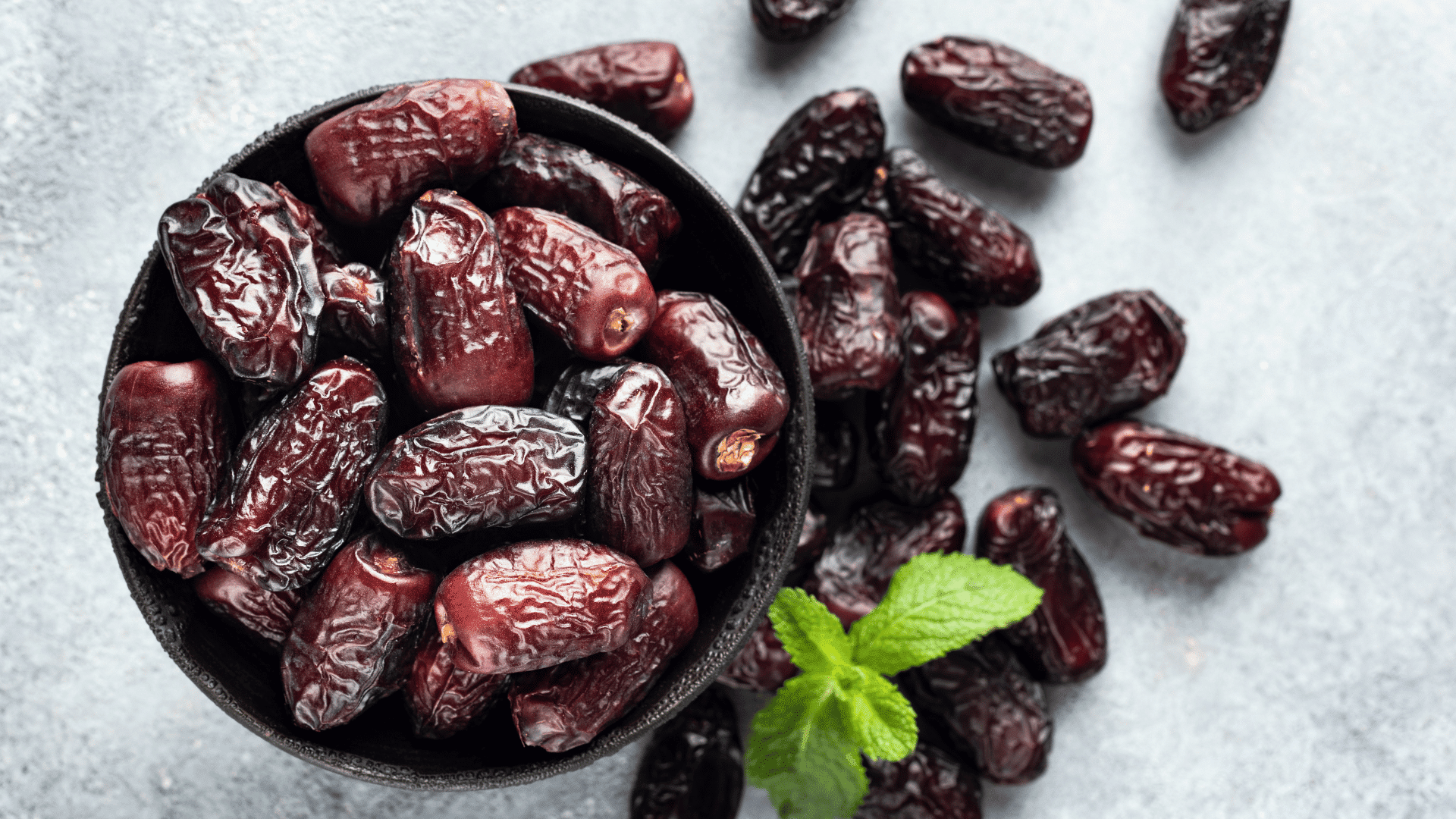
Photo by Canva
4. Supports Heart Health
Dates contain antioxidants that help reduce oxidative stress. Several studies published in the Journal of Nutrition indicate that regular consumption of dates may support healthy cholesterol levels and reduce inflammation markers.
For buf, this means dates are not just a Ramadan food, but a heart-friendly option when eaten consistently in reasonable amounts.
5. Supports Brain Function and Focus
The brain relies heavily on glucose as its primary fuel. During fasting, mental fatigue can occur, especially in the late afternoon. Dates provide a gentle glucose boost that supports concentration, memory, and mental clarity.
This is particularly helpful before evening prayers or during long tarawih sessions.
Why Dates Are the Best Food to Break Your Fast
When compared to other common iftar foods, dates stand out clearly.
- Compared to fried snacks: Dates are easier to digest and do not overload the stomach with fat.
- Compared to sugary drinks: Dates offer fiber and micronutrients, not just empty calories.
- Compared to white bread: Dates provide faster energy with less digestive heaviness.
Breaking the fast with dates allows the digestive system to restart gradually, which aligns with both religious wisdom and nutritional science.
How Many Dates Should Buf Eat at Iftar?
Traditionally, dates are consumed in odd numbers, often three. From a nutrition perspective, 2–3 dates are sufficient to provide energy without excessive sugar intake.
Eating too many dates can contribute to excess calorie intake, especially when followed by a full iftar meal. Moderation is key.
Recommended guideline:
- 2–3 dates at iftar
- Optional 1–2 dates at suhoor if needed
Best Ways to Consume Dates During Ramadan
Dates are versatile and can be enjoyed in various ways:
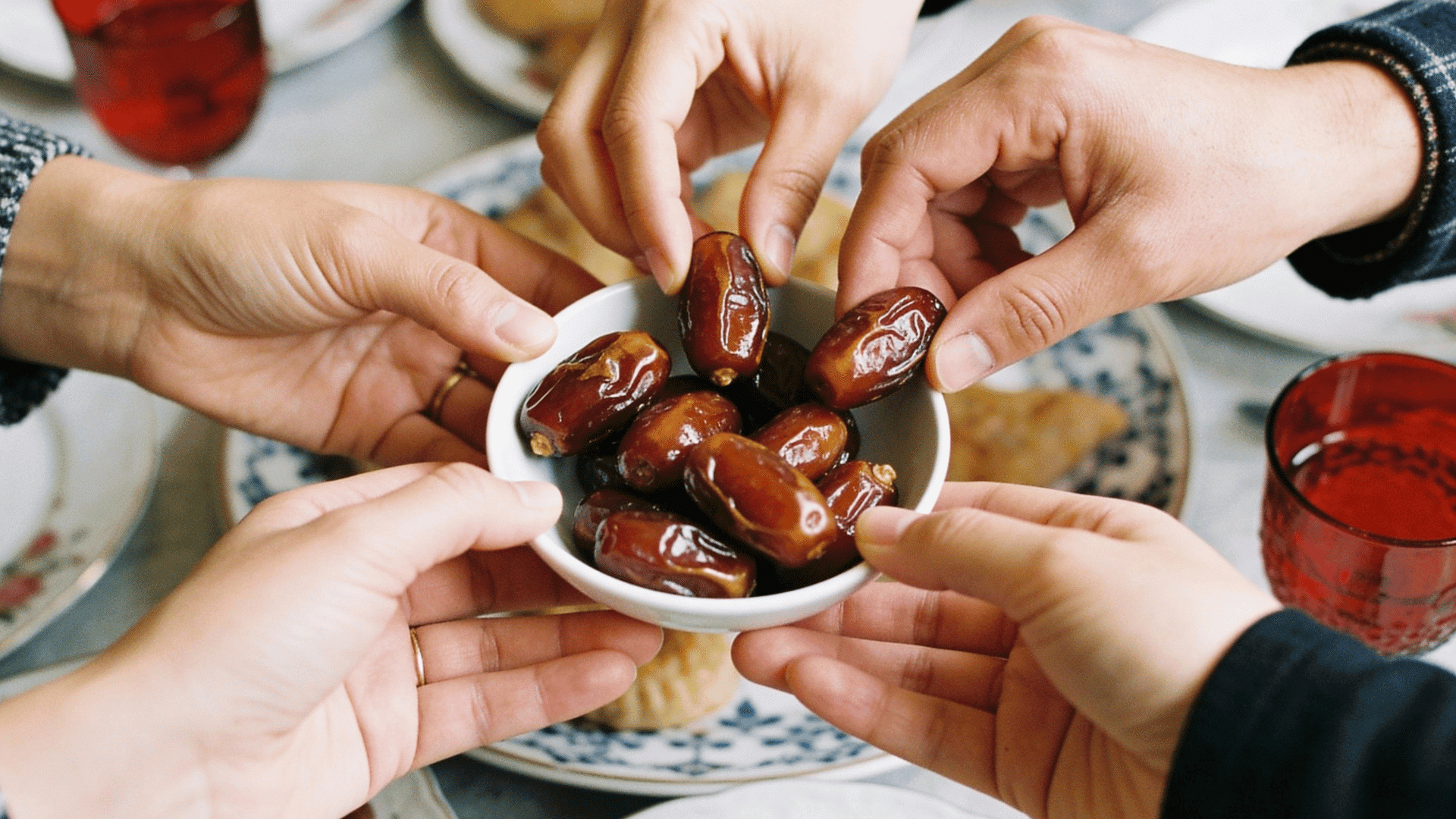
Photo by Canva
- Dates with water: The classic and most effective way to break the fast
- Dates with milk: Adds protein and promotes satiety
- Dates with nuts: Combines healthy fats, fiber, and energy
- Dates in smoothies: Ideal for those who struggle with appetite at iftar
- Dates as natural sweetener: Replace refined sugar in Ramadan desserts
These combinations help balance blood sugar and prolong fullness.
Tips for Choosing High-Quality Dates
Not all dates are equal. Choosing good-quality dates improves both taste and nutritional value.
Popular types include:
- Medjool: Soft, large, naturally caramel-like
- Ajwa: Smaller, less sweet, often associated with religious significance
- Deglet Noor: Semi-dry, mildly sweet
Quality tips:
- Avoid overly shiny dates (may be coated with syrup)
- Choose dates with intact skin
- Store dates in airtight containers, preferably refrigerated
Who Should Be Careful When Eating Dates?
Although dates are healthy, some people should monitor their intake.
- People with diabetes: Dates can raise blood sugar if eaten excessively
- Those on calorie-restricted diets: Dates are calorie-dense
- People with digestive sensitivity: Large amounts may cause bloating
For most people, moderate consumption remains safe and beneficial.
Conclusion: Why Dates Are a True Ramadan Superfood
Dates are more than just a traditional iftar food. They are a nutrient-dense, scientifically supported, and spiritually meaningful choice during Ramadan.
By consuming dates mindfully, buf supports energy levels, digestion, hydration, and heart health—while honoring a practice deeply rooted in tradition.
In a month focused on balance and reflection, dates remain a simple yet powerful reminder that sometimes, the smallest foods carry the greatest value.
Its once-a-year appearance is exactly what makes it special. Nian Gao isn’t just about taste, it’s about tradition, timing, and the shared optimism that comes with welcoming a new year.
References (Scientific Sources)
PubMed / NCBI – Nutritional and metabolic studies on dates
Journal of Nutrition – Antioxidant and cardiovascular research
NIH (National Institutes of Health)
Harvard Health Publishing
Healthline (medically reviewed nutrition articles)