When it comes to feeling your best, food plays a bigger role than you might imagine. It is not just about staying fit or keeping your skin glowing. What you eat also influences your mood, hormones, and long-term health. Many women struggle with fatigue, hormonal swings, or irregular cycles without realizing that the key to balance might be sitting right on the plate.
Imagine waking up with more energy, fewer cravings, and a calmer mind. The secret is not hidden in a fancy supplement or strict detox diet but in simple, nourishing foods that work with your body, not against it. Whether you are in your twenties juggling work and stress, or in your forties managing hormonal changes, the right nutrition can bring harmony to your system.
So, let’s talk about real food. Food that supports your hormones, your metabolism, and your mood. Because when your body is nourished, everything else just flows better.

Photo by Kaylee Garrett on Unsplash
1. Avocados: The Healthy Fat That Loves Your Hormones
Avocados are like nature’s butter, creamy and satisfying, but also full of monounsaturated fats that help balance your hormones. Your body needs fat to produce estrogen and progesterone, two key hormones that influence everything from your menstrual cycle to your mood and skin.
Adding half an avocado to your breakfast can keep your blood sugar stable throughout the day, preventing the spikes and crashes that cause irritability and sugar cravings. The combination of healthy fats, fiber, and potassium makes it one of the best foods for supporting hormonal stability.
You can enjoy it on toast, blended into a smoothie, or even as a salad topping. Think of it as a little green gift to your endocrine system.
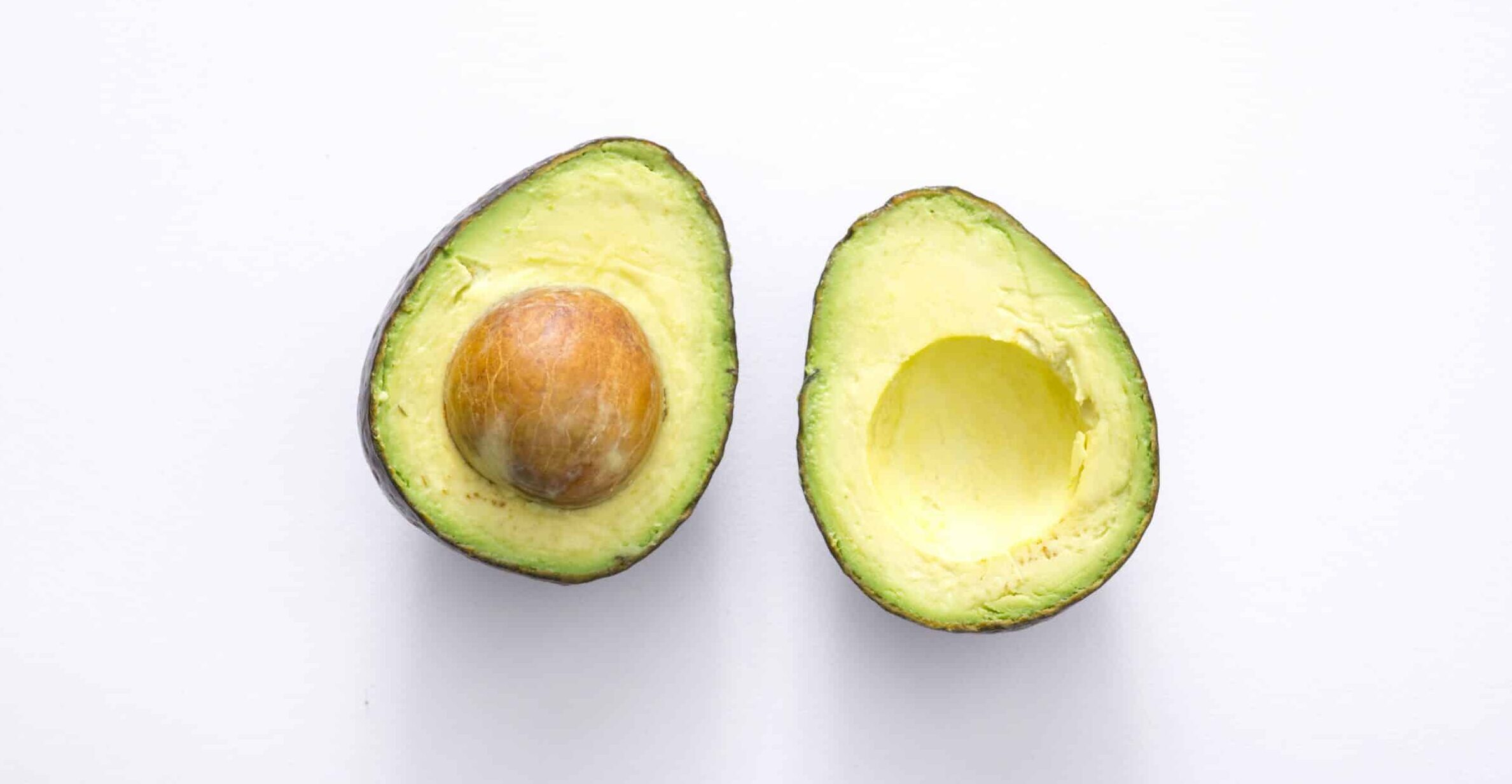
Photo by Thought Catalog on Unsplash
2. Salmon: The Protein That Calms Inflammation
If you often feel bloated, fatigued, or moody, your body might be dealing with low-grade inflammation. Omega-3 fatty acids from salmon help reduce that inflammation naturally. These healthy fats not only protect your heart but also improve brain function and stabilize hormone production.
Salmon is also rich in vitamin D and selenium, nutrients that help regulate mood and thyroid function. Eating salmon twice a week can support healthy estrogen metabolism and reduce PMS symptoms.
Grill it with lemon, bake it with olive oil, or toss it into a grain bowl. It’s simple, satisfying, and loaded with benefits for both your body and mind.
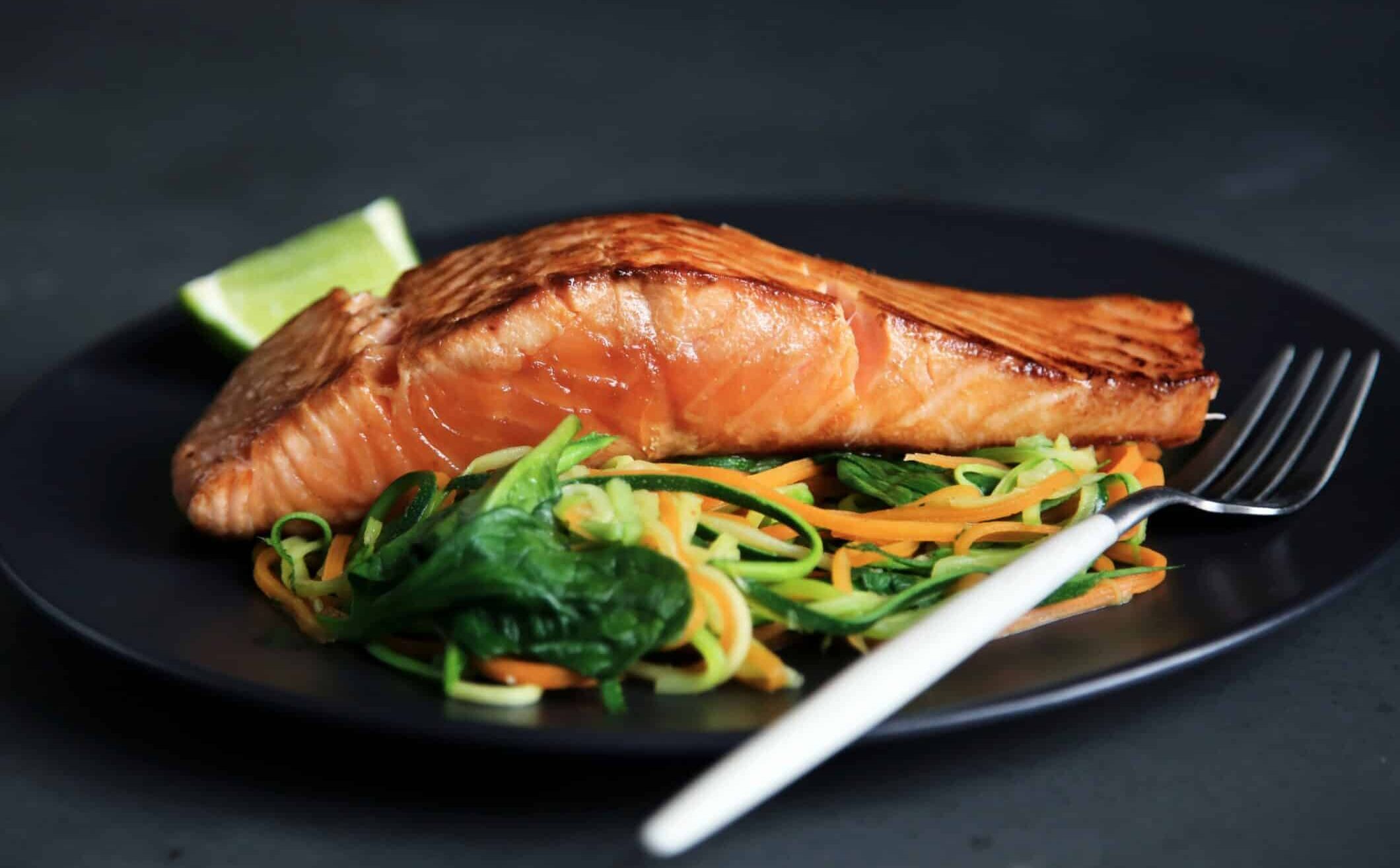
Photo by Caroline Attwood on Unsplash
3. Leafy Greens: The Detox Queens
If you often feel bloated, fatigued, or moody, your body might be dealing with low-grade inflammation. Omega-3 fatty acids from salmon help reduce that inflammation naturally. These healthy fats not only protect your heart but also improve brain function and stabilize hormone production.
Salmon is also rich in vitamin D and selenium, nutrients that help regulate mood and thyroid function. Eating salmon twice a week can support healthy estrogen metabolism and reduce PMS symptoms.
Grill it with lemon, bake it with olive oil, or toss it into a grain bowl. It’s simple, satisfying, and loaded with benefits for both your body and mind.
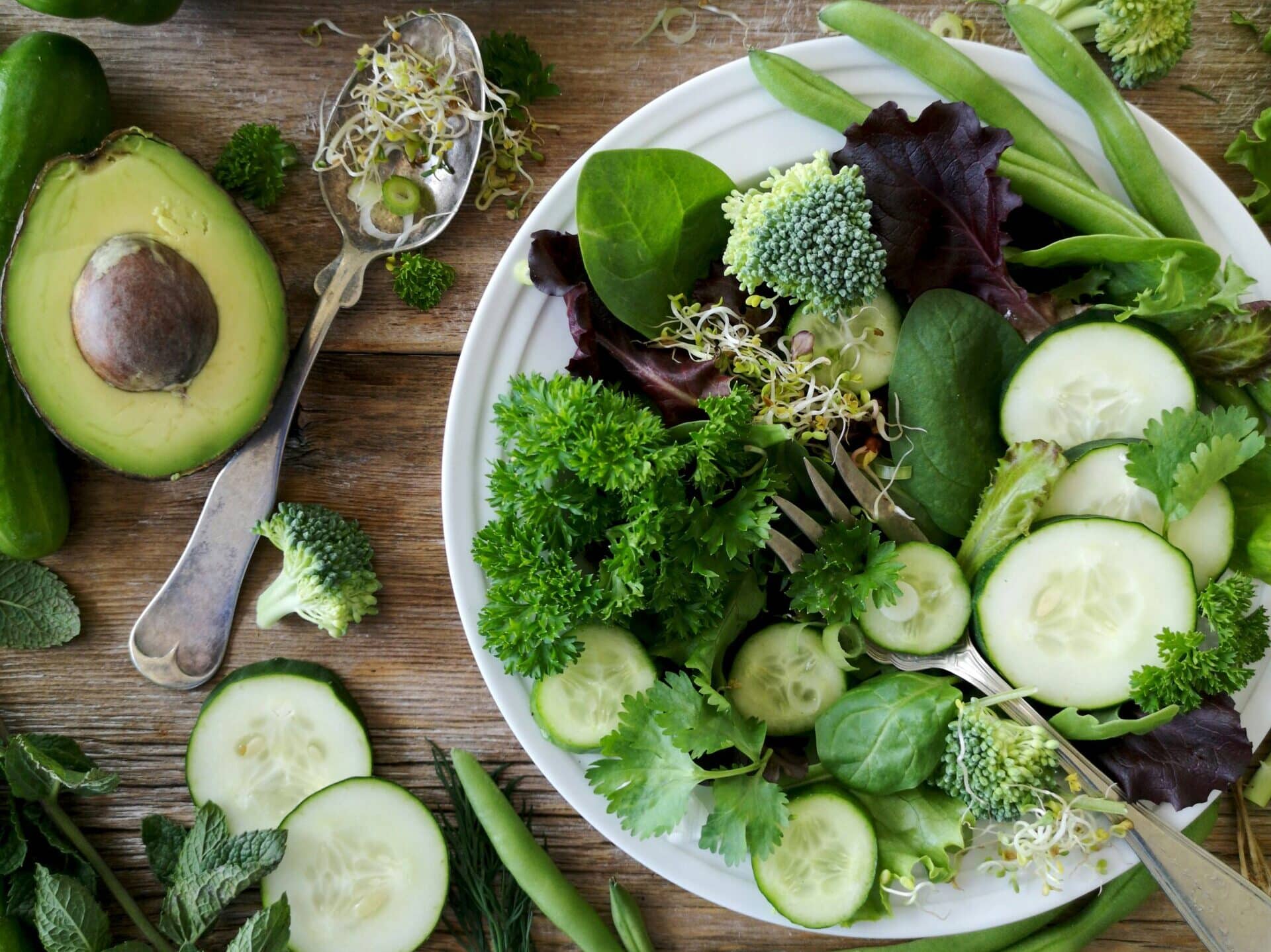
Photo by Nadine Primeau on Unsplash
4. Greek Yogurt: A Gut-Friendly Boost for Hormone Health
Yogurt and hormones are more connected than you might think. A healthy gut helps metabolize and eliminate excess hormones efficiently. Greek yogurt provides probiotics, calcium, and protein, which all support gut and bone health.
A breakfast parfait with Greek yogurt, berries, and chia seeds is not only delicious but also stabilizes blood sugar and keeps you full longer. Just choose unsweetened yogurt to avoid hidden sugars that can throw your hormones off balance.
If you are dairy-sensitive, opt for coconut yogurt or kefir for similar benefits.
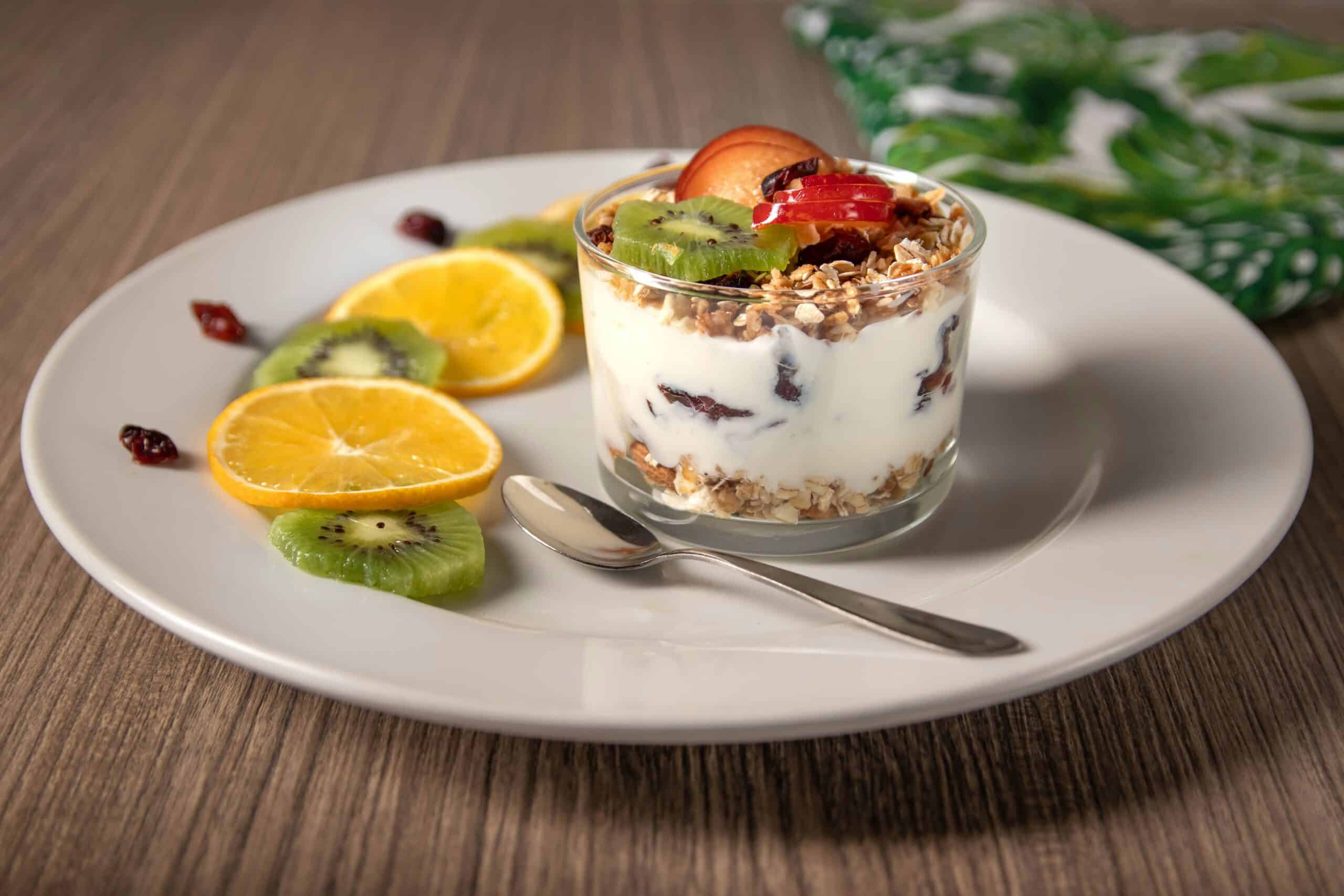
Photo by Daniel Cabriles on Unsplash
5. Berries: Tiny Antioxidant Powerhouses
Blueberries, strawberries, and raspberries might look small, but they pack an impressive punch of antioxidants. These colorful fruits protect your cells from oxidative stress and help manage inflammation, which plays a big role in hormonal imbalance.
Berries are also low in sugar compared to many other fruits, which makes them ideal for balancing insulin levels. Stable insulin helps your body regulate estrogen and progesterone more effectively.
Enjoy them as a snack, blend them into a smoothie, or sprinkle them over oatmeal. A handful a day can make a real difference in how you feel.
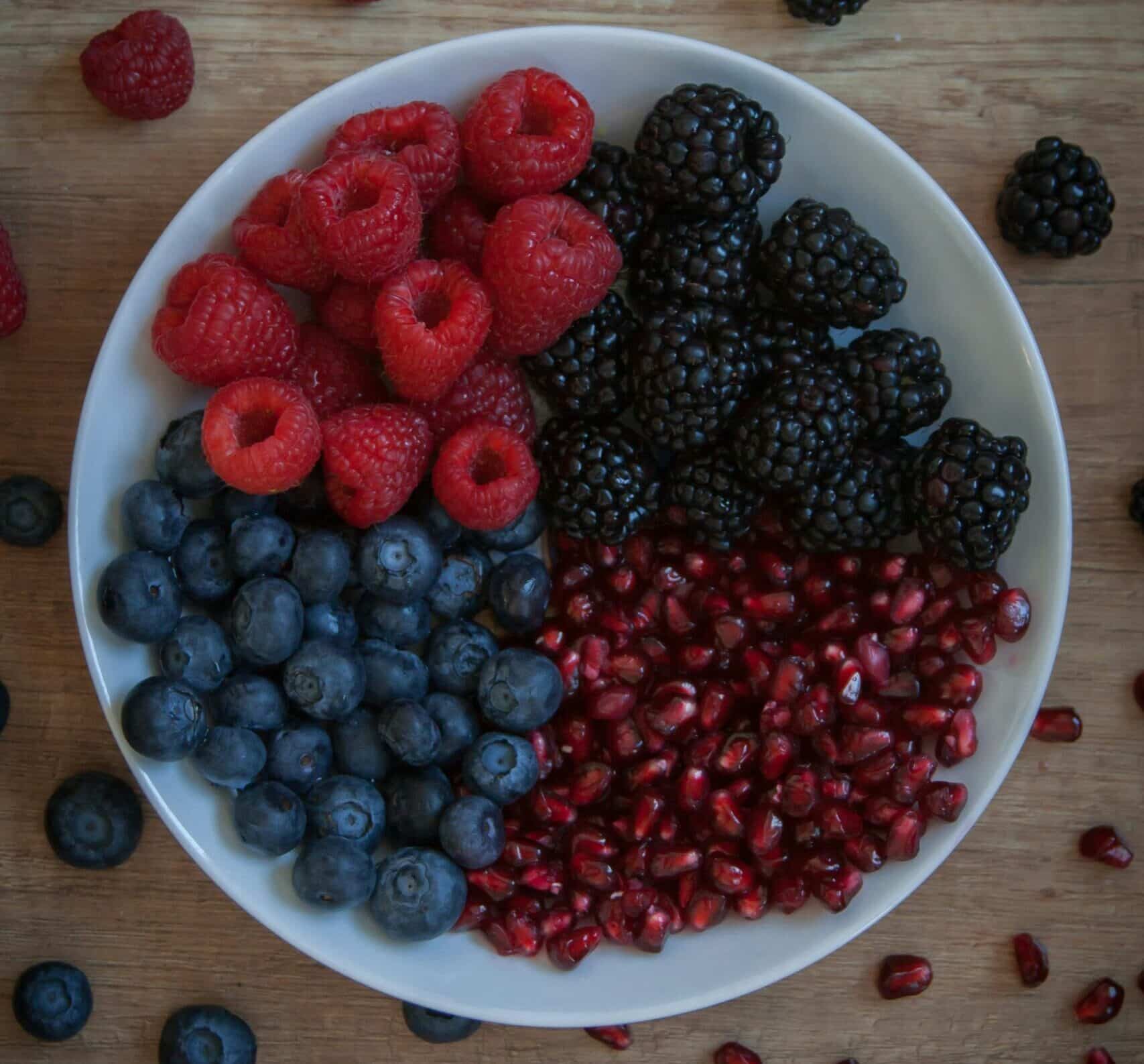
Photo by Adél Grőber on Unsplash
7. Dark Chocolate: The Sweet Treat That Loves You Back
Good news: chocolate can be good for your hormones, as long as you choose the right kind. Dark chocolate with at least 70 percent cacao is rich in magnesium and antioxidants that reduce stress and improve mood.
It helps balance cortisol levels and can even ease PMS symptoms. The key is moderation: just a few squares a day can satisfy your sweet tooth while supporting your well-being.
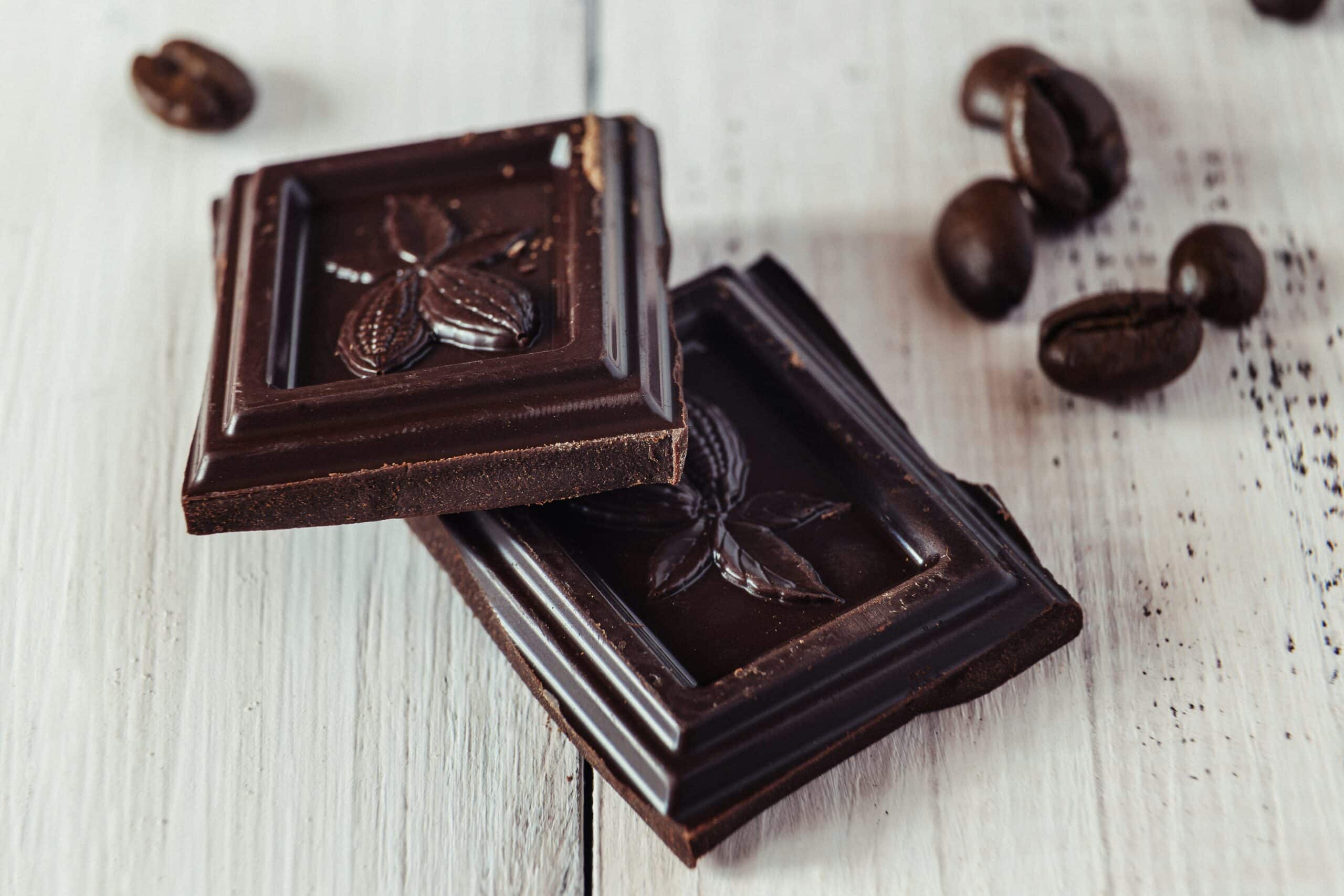
Photo by Elena Leya on Unsplash
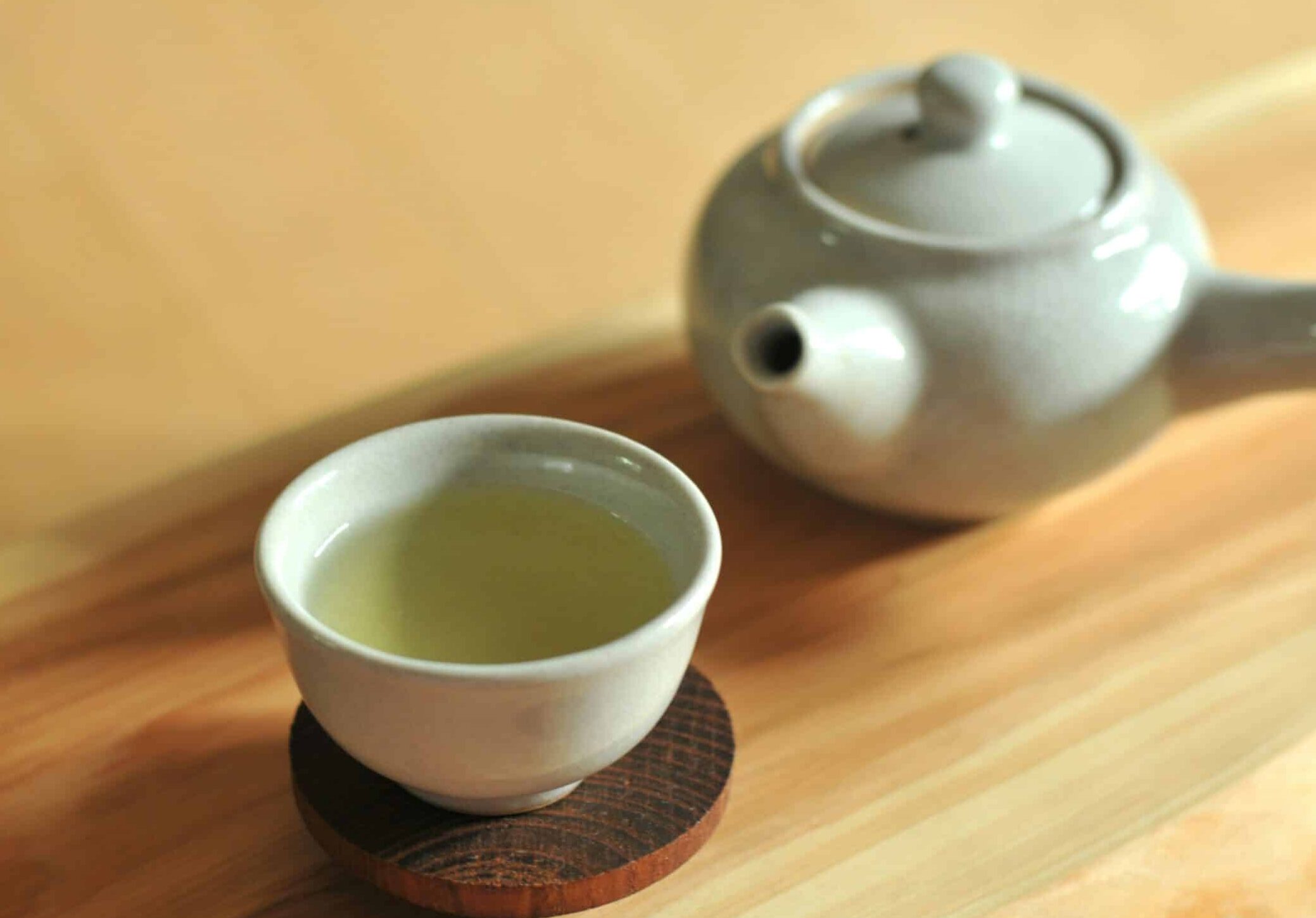
8. Green Tea: A Gentle Metabolism Supporter
If you often reach for coffee to stay awake, try switching to green tea. It provides a smoother energy boost without the crash. The catechins in green tea improve liver function, which is essential for metabolizing hormones efficiently.
Green tea also supports metabolism and helps maintain a healthy weight, which is important because excess body fat can produce extra estrogen. Drinking two to three cups a day can make a subtle but powerful difference over time.
9. Quinoa: The Balanced Carb
Not all carbs are created equal. Quinoa is one of the best complex carbohydrates for women because it contains all nine essential amino acids and has a low glycemic index. It helps keep your blood sugar steady, supports muscle repair, and provides magnesium and iron, two nutrients women often lack.
Pair quinoa with roasted veggies, chickpeas, or grilled fish for a satisfying and hormone-friendly meal.
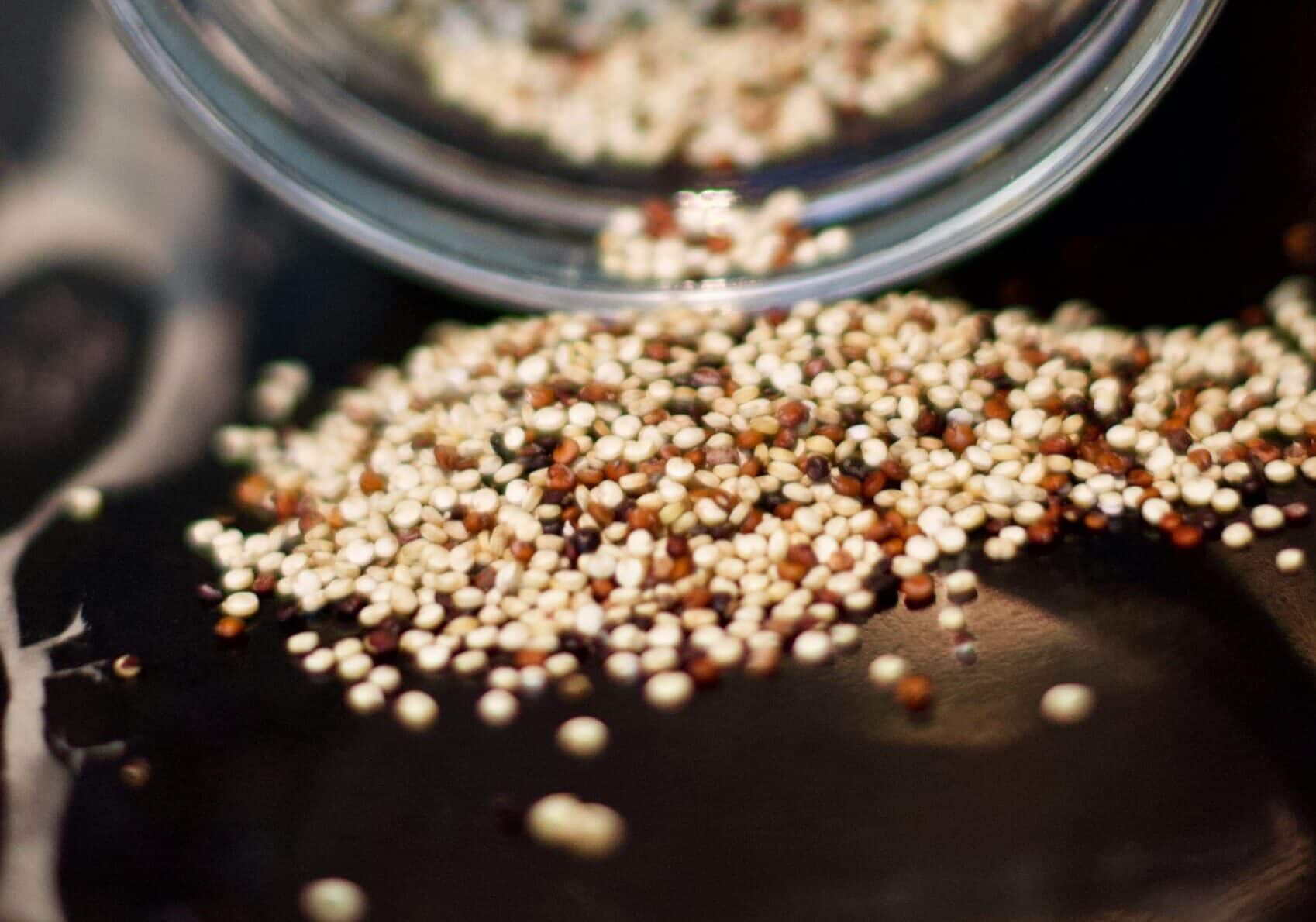
Photo by Dan Dennis on Unsplash
10. Water: The Simplest Hormone Helper
This might sound obvious, but hydration is one of the most overlooked keys to hormone balance. Water helps your body flush out toxins and transport nutrients to your cells. When you are dehydrated, your body can’t metabolize hormones efficiently, leading to fatigue and sluggishness.
Aim for at least eight glasses a day, and even more if you’re active or live in a warm climate. Add lemon, cucumber, or mint if you need a refreshing twist.

Photo by Noppadon Manadee on Unsplash
Frequently Asked Questions (FAQ)
Q1: What are the best foods for hormone balance in women?
A: Some of the best foods for hormone balance include avocados, salmon, leafy greens, Greek yogurt, berries, seeds, and quinoa. These foods provide healthy fats, antioxidants, and nutrients that support estrogen and progesterone regulation.
Q2: How does diet affect women’s hormones?
A: Your diet directly affects hormone production and metabolism. Nutrient-rich foods like omega-3 fatty acids, fiber, and magnesium help stabilize hormones, while processed foods and sugar can trigger imbalances.
Q3: Can certain foods help reduce PMS symptoms?
A: Yes. Foods rich in magnesium, such as dark chocolate and leafy greens, can help reduce cramps and mood swings. Omega-3s from salmon or chia seeds also help lower inflammation that contributes to PMS discomfort.
Q4: Is coffee bad for hormonal balance?
A: Caffeine is fine in moderation, but too much coffee can spike cortisol and stress hormones. Switching to green tea offers a gentler energy boost and supports liver function, which helps regulate hormones.
Q5: How often should you eat for better hormone balance?
A: Eating balanced meals every 3–4 hours keeps blood sugar stable and prevents hormonal fluctuations. Combining protein, healthy fats, and complex carbs in each meal is ideal.
References (Scientific Sources)
Women’s Health.gov, Nutrition and Your Health: Eating for Hormone Balance, 2023
Harvard T.H. Chan School of Public Health, The Nutrition Source: Healthy Fats, 2022
AXA Health, The Link Between Diet, Hormones, and Energy Levels, 2023
National Institutes of Health (NIH), Magnesium and Women’s Health, 2021
Journal of Nutrition, Effects of Omega-3 Fatty Acids on Hormonal Regulation, 2020
Final Thoughts
Eating for your hormones is not about restriction or complicated rules. It is about giving your body what it needs to function smoothly. When you nourish yourself with whole, nutrient-rich foods, you are not just eating to look good—you are eating to feel balanced, calm, and confident.
So next time you plan your meals, think of your plate as a tool for self-care. Choose foods that love you back, and your hormones will thank you.