Gingerbread is more than just a cookie, it’s a symbol of the holiday season. The warm aroma of ginger, cinnamon, and cloves instantly brings thoughts of Christmas markets, cozy kitchens, and festive gatherings. From decorated gingerbread houses to soft, spiced cookies enjoyed with a cup of coffee, gingerbread has become a global Christmas tradition.
But where did gingerbread come from, and why is it so closely associated with winter and the holidays? In this article, we’ll explore the history of gingerbread, its cultural significance, and how you can make classic gingerbread cookies and gingerbread houses at home.
Why Gingerbread Is So Closely Linked to Christmas
The connection between gingerbread and Christmas didn’t happen overnight. Spices like ginger, cinnamon, nutmeg, and cloves were once rare and expensive, making them special ingredients reserved for celebrations. Winter holidays became the perfect time to use these warming spices, and gingerbread naturally became part of Christmas traditions across Europe.
Gingerbread isn’t just about taste, it’s about tradition. The spices used in gingerbread are warming and comforting, making them ideal for winter. Gingerbread baking also encourages togetherness, especially when families decorate cookies or build gingerbread houses together.
Today, gingerbread appears everywhere during the holiday season from Christmas markets in Germany to festive cookie tins in American homes.
This image is provided by Canva
What Is Gingerbread?
Gingerbread is a broad term used to describe baked goods flavored primarily with ginger and other warm spices. Depending on the recipe, gingerbread can be soft and cake-like, chewy, or firm enough to build houses with.
Key Ingredients in Gingerbread: ground ginger, cinnamon, cloves, nutmeg (optional but common), molasses or honey, brown sugar, butter or oil, flour and eggs (for softer versions)
Gingerbread is known for its warm, spicy, slightly sweet, and deep molasses flavor, making it perfect for colder seasons.
The History of Gingerbread
Ancient Origins
Ginger itself has been used in food and medicine for over 5,000 years. Early versions of ginger-spiced bread appeared in ancient China and the Middle East, where ginger was valued for its warming and digestive properties.
Gingerbread in Medieval Europe
Gingerbread arrived in Europe around the 11th century, brought back by crusaders. By the Middle Ages, gingerbread had become popular in England, France, and Germany. It was often shaped into figures, animals, or religious symbols and sold at fairs and festivals.
Gingerbread and Christmas Traditions
By the 16th century, gingerbread was firmly associated with winter holidays. Queen Elizabeth I is said to have popularized gingerbread figures shaped like people, possibly inspiring what we now know as gingerbread men.
Gingerbread Around the World
Germany: Lebkuchen

This image is provided by Canva
German Lebkuchen is one of the most famous gingerbread styles. It’s softer, often made with nuts instead of flour, and traditionally enjoyed during Christmas markets, especially in Nuremberg.
England
This image is provided by Canva
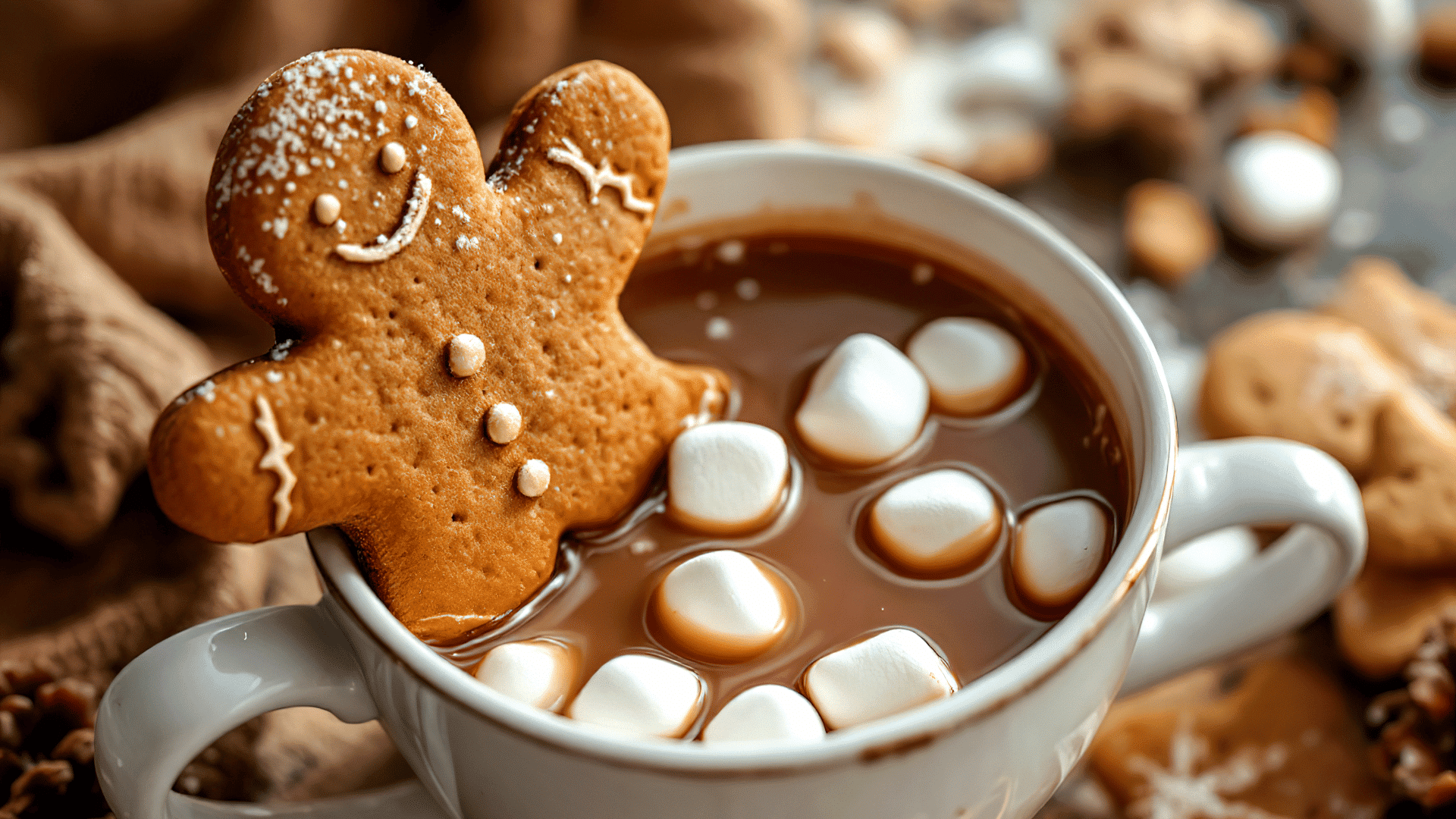
English gingerbread ranges from crisp biscuits to dark, sticky loaves flavored heavily with molasses.
Scandinavia

This image is provided by Canva
In Sweden and Norway, thin, crisp gingerbread cookies called pepparkakor are popular during Christmas.
United States
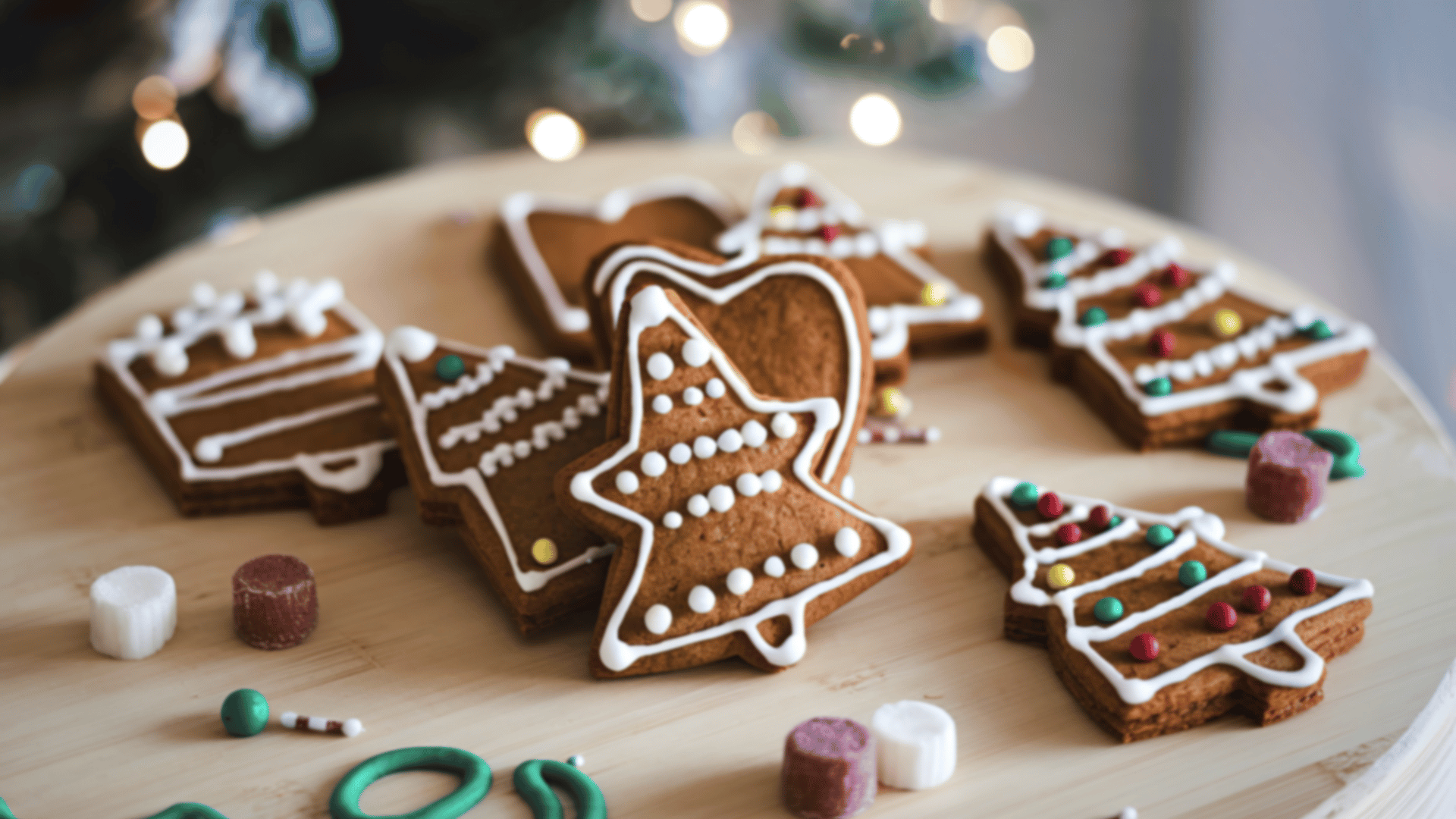
American gingerbread often appears as soft cookies, cake, or decorative gingerbread houses, especially during the holiday season.
Gingerbread Cookies vs Gingerbread Cake vs Gingerbread House
Gingerbread Cookies

This image is provided by Canva
- Chewy or crisp
- Perfect for decorating
- Best for everyday holiday treats
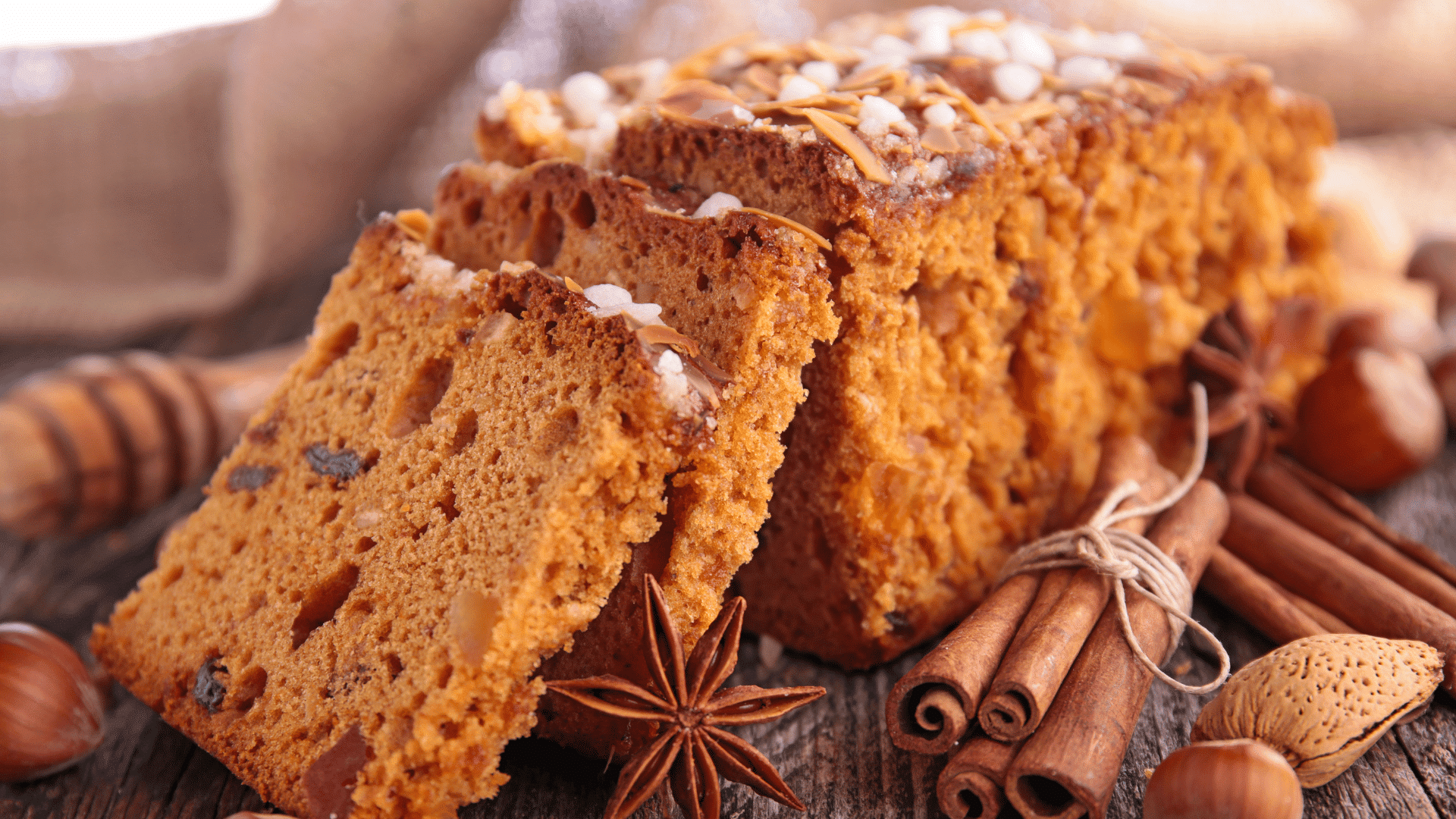
Gingerbread Cake
This image is provided by Canva
- Soft and moist
- Served in slices
- Often paired with whipped cream or frosting
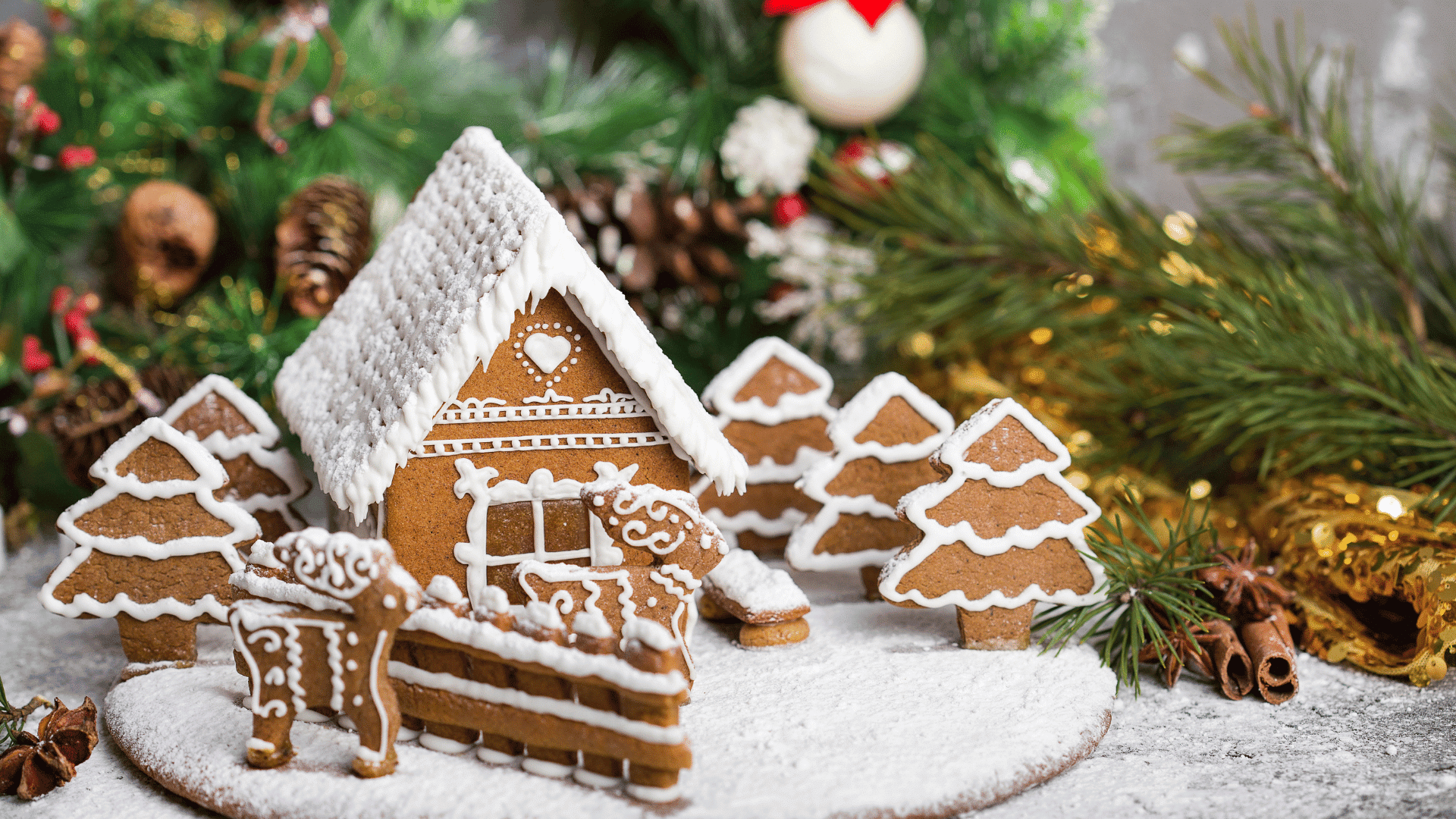
Gingerbread House
This image is provided by Canva
- Dough is firmer and drier
- Designed for structure, not softness
- Mainly decorative but still edible
This image is provided by Foodiez team
Classic Gingerbread Cookie Recipe (Easy & Authentic)
Ingredients:
- 3 cups all-purpose flour
- ¾ cup brown sugar
- ¾ cup unsalted butter, softened
- ½ tbsp lemon zest
- ¾ cup molasses
- 1 large egg
- 1 tablespoon ground ginger
- 1 tablespoon ground cinnamon
- ½ teaspoon ground cloves
- 1 teaspoon baking soda
- ¼ teaspoon salt
👩🏻🍳 How to Make:
1. Cream butter and brown sugar until light and fluffy.
2. Add molasses and egg, mixing well.
3. In a separate bowl, whisk dry ingredients together.
4. Gradually mix dry ingredients into wet ingredients.
5. Chill dough for at least 1 hour.
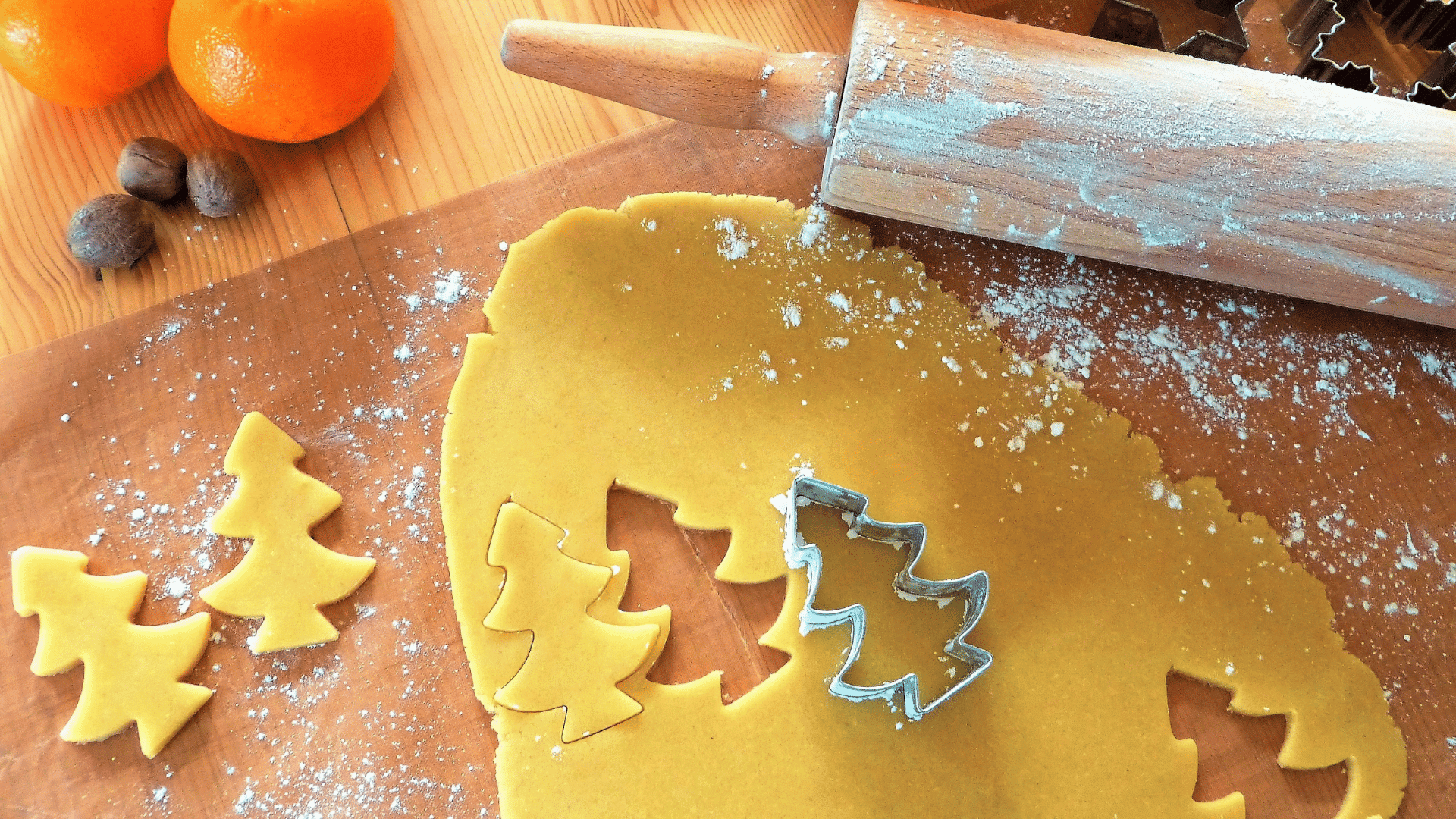
6. Roll out dough and cut into shapes.
7. Bake at 350°F (175°C) for 8–10 minutes.
7. Cool completely before decorating.
Gingerbread House Basics (Beginner-Friendly)
Gingerbread house dough is similar to cookie dough but with less fat and moisture to keep it sturdy.
Tips for Building a Gingerbread House
1. Use templates for walls and roof
2. Bake pieces until firm and dry
3. Use royal icing as “cement”
4. Assemble before decorating
Tips for Perfect Gingerbread Every Time
- Chill the dough to prevent spreading
- For softer cookies, slightly underbake
- For crisp cookies, bake a little longer
- Store baked gingerbread in an airtight container
Storage & Shelf Life
- Cookies: up to 1 week at room temperature
- Gingerbread house: decorative for 2–3 weeks in dry conditions
Is Gingerbread Healthy?
Gingerbread contains ginger, which is known for its anti-inflammatory and digestive benefits. However, traditional gingerbread is still a sweet treat, often high in sugar. Enjoy it in moderation as part of a balanced diet.
Conclusion: Gingerbread Is More Than a Holiday Treat
Gingerbread is a timeless combination of history, flavor, and tradition. From its ancient origins to modern Christmas celebrations, gingerbread continues to bring warmth and joy to kitchens around the world. Whether you’re baking soft cookies, building a gingerbread house, or simply enjoying the aroma, gingerbread remains one of the most beloved symbols of the holiday season.
Frequently Asked Questions About Gingerbread
Q1: Is gingerbread the same as ginger cookies?
A: Not exactly. Gingerbread usually contains molasses and more spices, while ginger cookies may be lighter and less spiced.
Q2: Can gingerbread dough be made ahead of time?
A: Yes, gingerbread dough can be refrigerated for up to 3 days.
Q3: Why is my gingerbread hard?
A: Overbaking or too little fat can cause hard gingerbread.
Q4: Can gingerbread be frozen?
A: Yes, baked gingerbread cookies freeze well for up to 3 months.
Q5: Is gingerbread only for Christmas?
A: Traditionally yes, but it can be enjoyed year-round.