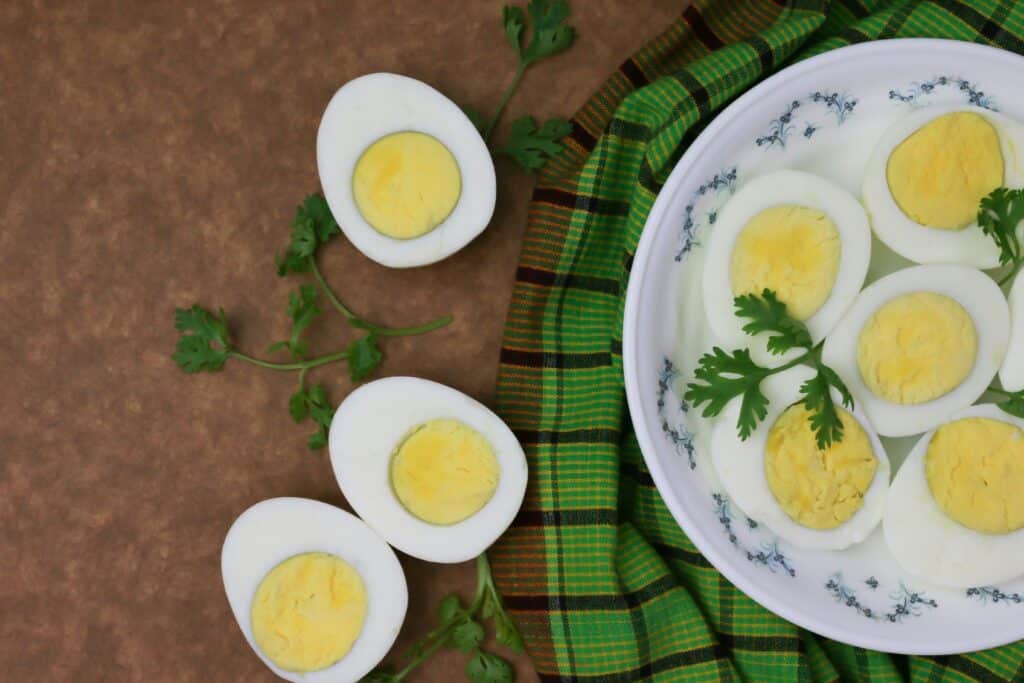
There’s something oddly comforting about boiling eggs.
It’s not fancy cooking. No complicated ingredients. No sharp knives or loud timers. Just eggs, water, and a pot quietly doing its thing. And yet, cracked eggs still manage to ruin the mood more often than they should.
Buf might know this feeling well. Buf puts eggs on the stove, walks away for a minute, then comes back to cloudy water and egg whites floating everywhere. Suddenly, something simple feels unnecessarily annoying.
This guide is here to change that. Not with strict rules or chef-level techniques, but with gentle habits, kitchen logic, and a little patience the kind that makes egg boiling feel calm instead of stressful
Why Cracked Eggs Are So Common (And Totally Normal)
Cracked eggs aren’t a sign that buf is bad at cooking. They usually happen because of tiny, invisible changes happening inside the egg.
When a cold egg suddenly meets heat, the shell expands faster than the inside can keep up. Add bubbling water, a thin shell, or a little bump against the pot and crack.
The good news? Once buf understands what eggs need, cracking becomes easy to avoid.
Start Slow: Eggs and Temperature Matter More Than Anything
Bring Eggs to Room Temperature
The number one rule in egg boiling is simple: Eggs don’t like surprises.
If eggs come straight from the fridge into hot water, they’re almost guaranteed to crack. Take eggs out 10–15 minutes before cooking. If buf forgets, running them briefly under room-temperature water helps soften the shock.
This tiny habit alone fixes most cracking issues.
Choosing the Right Pot (Yes, It Matters)
A pot that’s too small turns egg boiling into bumper cars. Use a pot where eggs can:
- Sit comfortably in one layer
- Stay mostly still while cooking
- Be fully covered by water
If eggs knock into each other, cracks happen even with perfect timing.
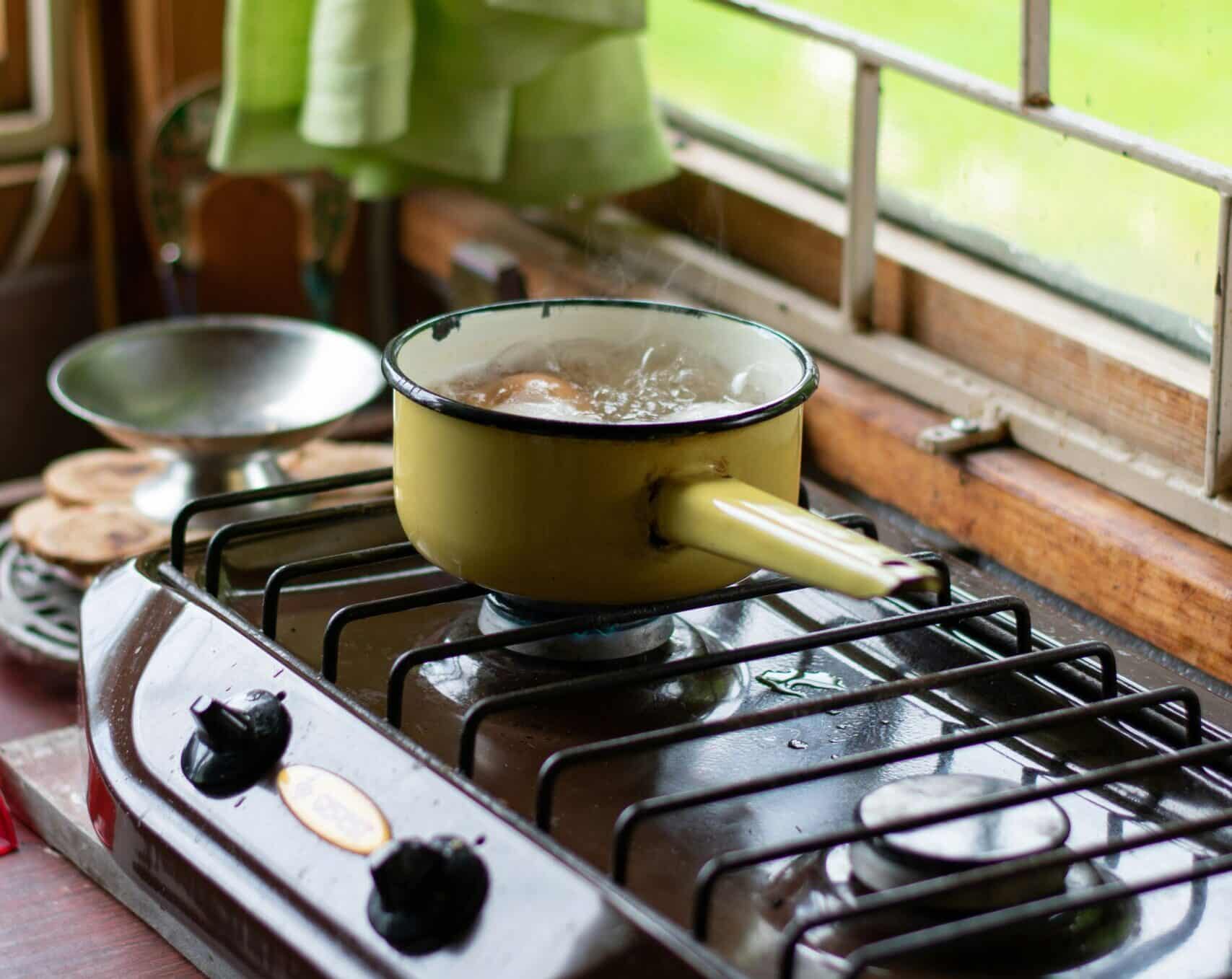
Photo by Anton Nazaretian on Unsplash
The Gentle Boil Method (The Most Reliable Way)
This is the method buf can be used on busy mornings, lazy weekends, or meal-prep days.
Step 1: Place Eggs Gently
Lay eggs in the pot using a spoon or your hand. No dropping.
Step 2: Cover with Cold Water
Add cold water until eggs are covered by about 1 inch.
Step 3: Heat Slowly
Turn the heat to medium, not high. Let the water heat gradually.
Step 4: Watch for the Boil
When bubbles start rising steadily, lower the heat slightly. Buf wants a gentle simmer, not a rolling boil.
This calm approach keeps eggs from knocking around.
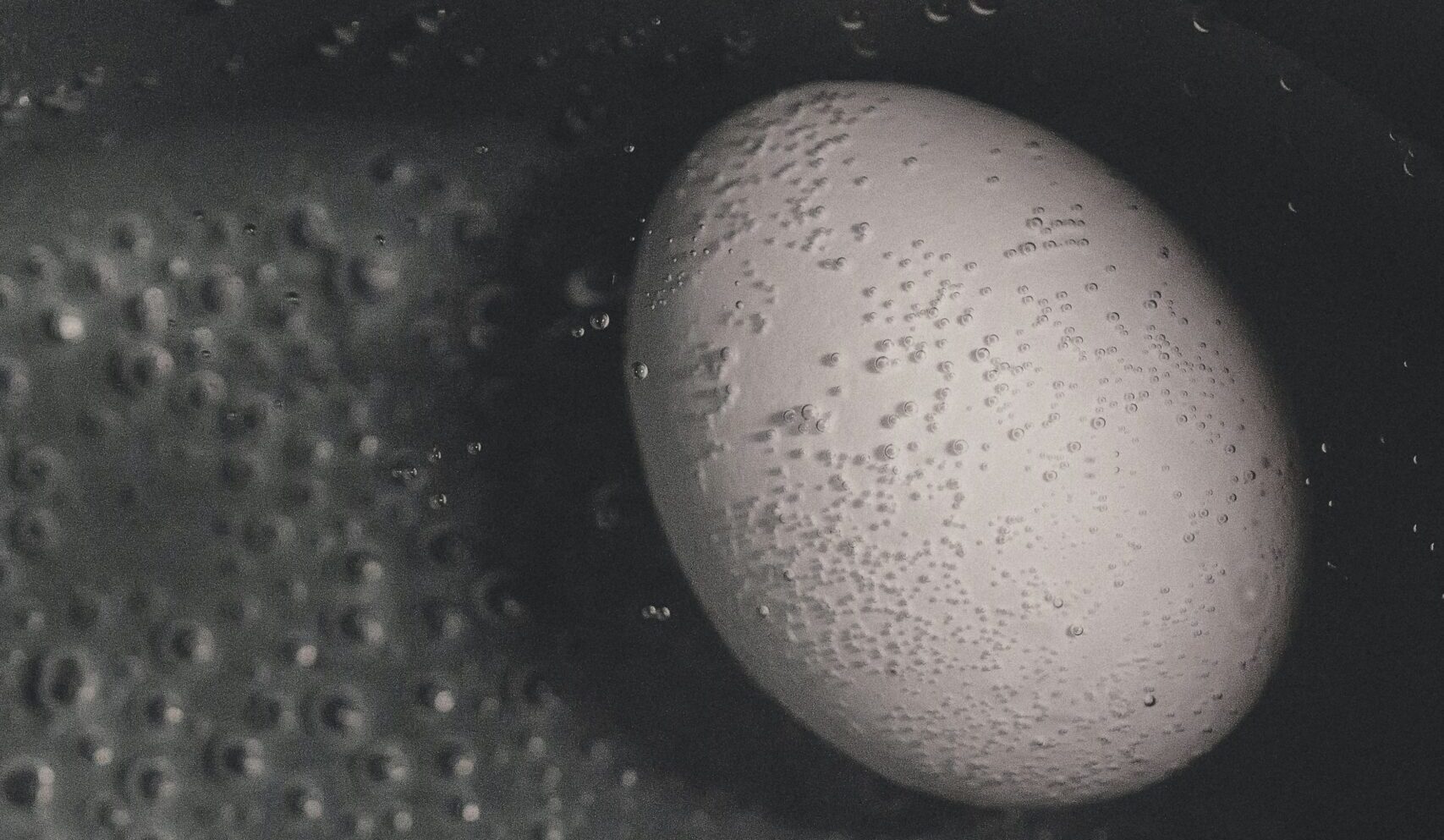
This image is provided by Foodiez team
Small Kitchen Tricks That Make a Big Difference
These tips feel old-school, but they work.
A Pinch of Salt
Add 1–2 teaspoons of salt to the water. If a crack happens, salt helps the egg white set quickly, reducing leakage.
A Splash of Vinegar (Optional)
One tablespoon of vinegar does the same thing as salt. Buf doesn’t need both.
No Stirring
Once eggs are settled, leave them alone. Stirring causes unnecessary movement and cracking.
How Long Should Buf Boil Eggs?
Timing is personal. Here’s a cozy guide:
Soft-Boiled (Runny & Comforting)
5–6 minutes
Perfect for toast, ramen, or slow breakfasts.
Medium-Boiled (Jammy Heaven)
7–8 minutes
Creamy yolks that feel luxurious without being messy.
Hard-Boiled (Classic & Reliable)
9–10 minutes
Ideal for snacks, salads, and meal prep.
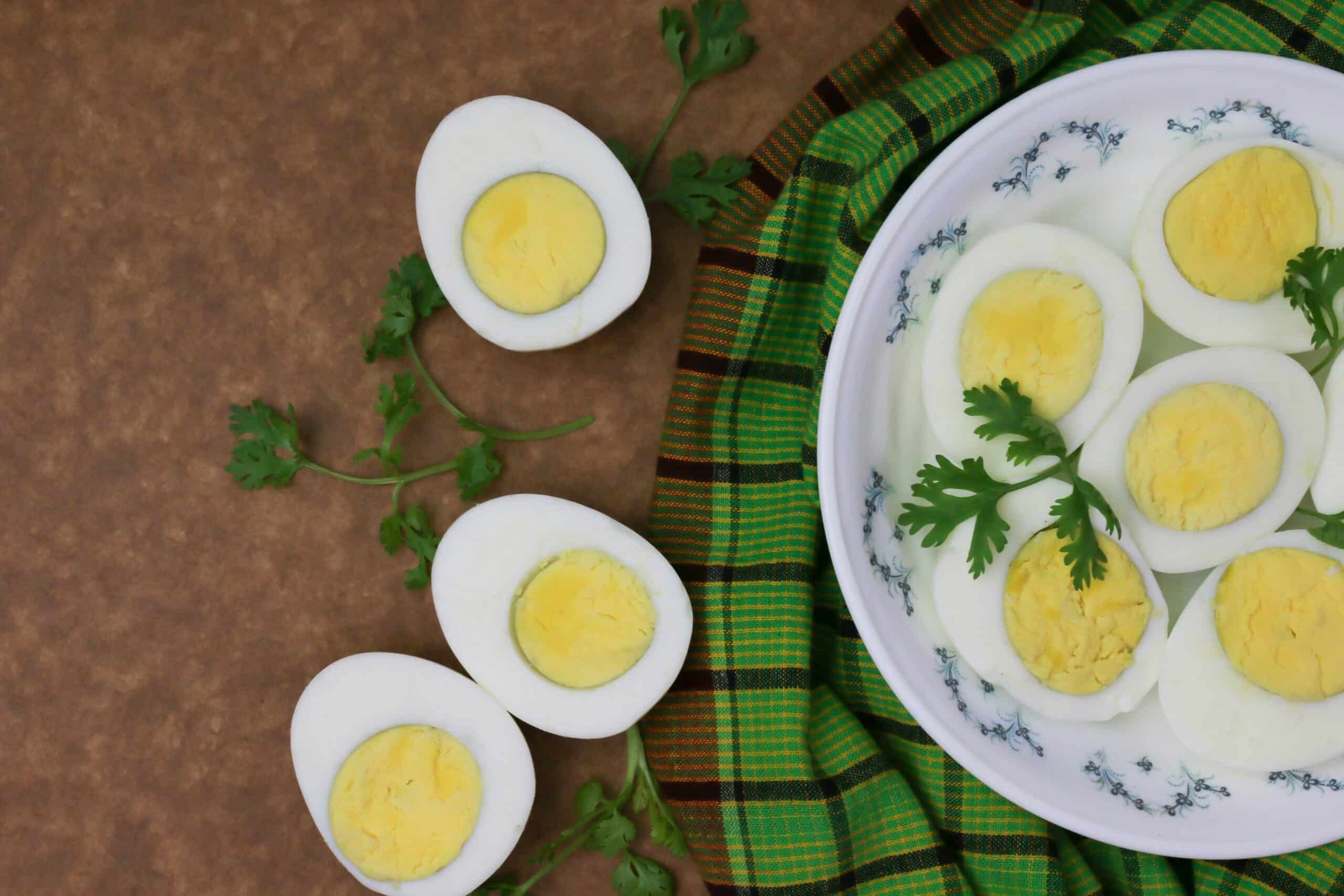
Photo by Tamanna Rumee on Unsplash
The Ice Bath Moment (Don’t Skip This)
When eggs are done, move them straight into cold water or ice water. Let them sit for at least 5 minutes.
This step:
- Stops cooking instantly
- Keeps yolks tender
- Makes peeling easier later
- Relieves pressure inside the shell
It’s a small pause that improves everything.
The Most Common Egg-Boiling Mistakes
Even experienced cooks slip into these habits.
High Heat
Louder boiling does not mean better cooking. It just means more cracked shells.
Overcrowding
Too many eggs in one pot leads to collisions.
Rushing the Process
Eggs reward patience. Slow heat equals smooth shells.
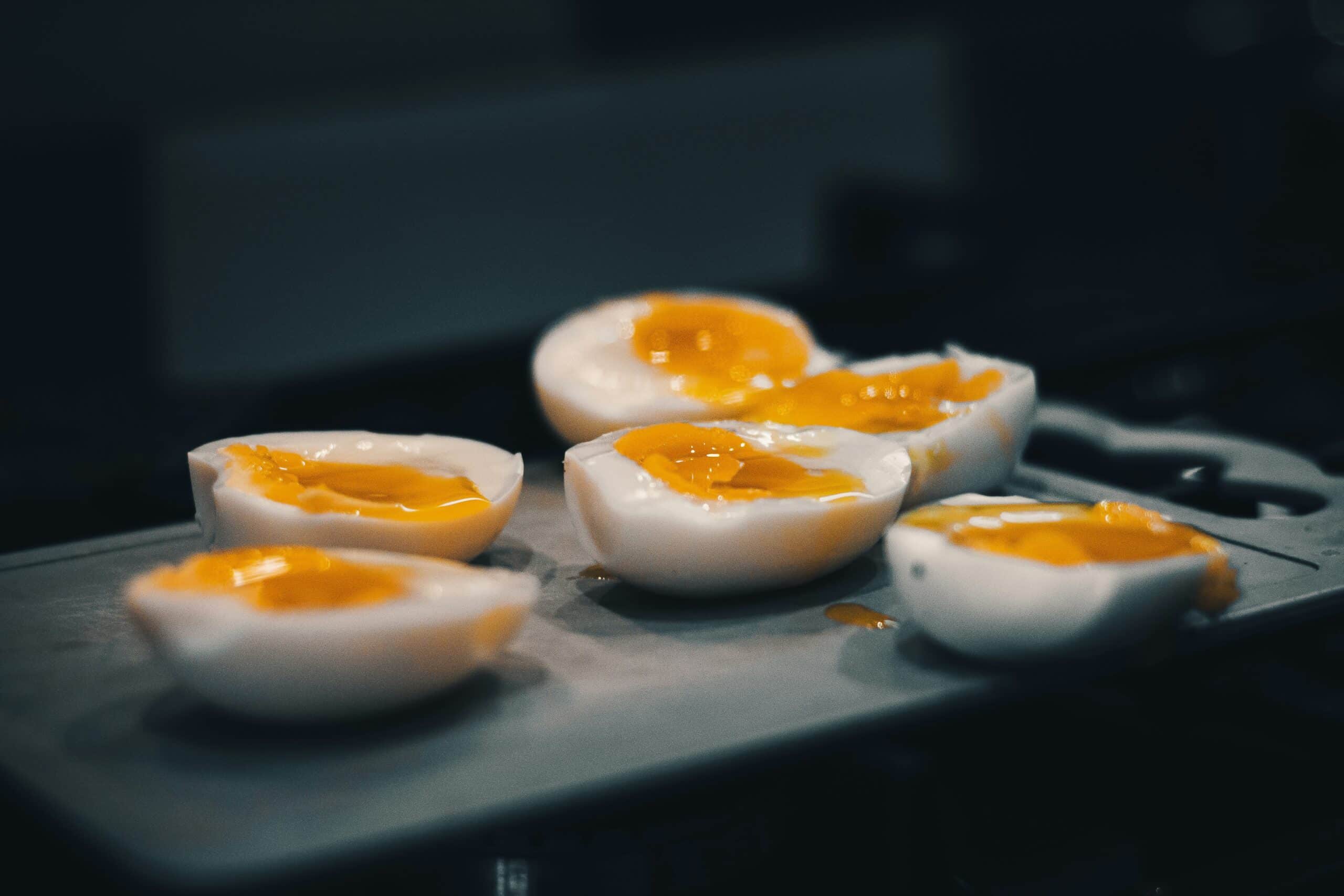
Photo by Alexander Belov on Unsplash
A Cozy Alternative: Steaming Eggs
If buf wants extra peace of mind, steaming eggs is surprisingly gentle.
How to Steam Eggs:
- Bring a small amount of water to boil
- Place eggs in a steamer basket
- Cover and steam:
- 6 minutes (soft)
- 8 minutes (medium)
- 10–12 minutes (hard)
- Cool in ice water
Do Older Eggs Crack Less?
Boiling eggs without cracking isn’t about fancy tricks. It’s about slowing down and letting eggs warm up naturally.
Once buf gets comfortable with:
- Room-temperature eggs
- Gentle heat
- Calm water
- Proper cooling
Egg boiling becomes one of those quiet kitchen routines that just works.
And honestly? There’s something deeply satisfying about lifting a perfectly smooth egg from the pot: no cracks, no mess, just a small win in the kitchen.
Safety Notes
- Limit juice consumption if it contains added sugar
- Wash the fruit thoroughly, especially if using the peel
- Certain citrus fruits can interact with medications check with a doctor if Buf has concerns
FAQ: Boiling Eggs Without Cracking
Q1: Why do my eggs still crack even when I’m careful?
A: Usually because the eggs were too cold or the water boiled too aggressively. Gentle heat and room-temperature eggs solve most issues.
Q2: Does adding salt really prevent cracking?
A: Salt doesn’t stop cracks, but it minimizes leaking if cracks happen. It’s a safety net, not a cure.
Q3: Is it better to start eggs in cold water or boiling water?
A: Cold water is safer for preventing cracks. It lets eggs heat gradually and evenly.
Q4: Should buf poke a hole in the eggshell before boiling?
A: Some people do this to release air, but it’s risky. If done incorrectly, it causes leaks. Most home cooks don’t need this step.
Q5: Are fresh eggs harder to boil without cracking?
A: Fresh eggs don’t crack more easily, but they can be harder to peel. Cracking mostly depends on temperature and movement.
Q6: Can I boil eggs straight from the fridge?
A: Yes but cracking is more likely. Letting eggs warm up slightly is always better.
Final Thoughts: Calm Cooking Makes Better Eggs
Boiling eggs without cracking isn’t about fancy tricks. It’s about slowing down and letting eggs warm up naturally.
Once buf gets comfortable with:
- Room-temperature eggs
- Gentle heat
- Calm water
- Proper cooling
Egg boiling becomes one of those quiet kitchen routines that just works.
And honestly? There’s something deeply satisfying about lifting a perfectly smooth egg from the pot: no cracks, no mess, just a small win in the kitchen.