When it comes to Southeast Asian street food, nothing embodies the region’s love for bold flavors and textures quite like rojak Singapore and rujak Indonesia. At first glance, these two dishes may seem similar; they both feature fresh fruits tossed in a flavorful sauce but a closer look reveals a world of differences, shaped by culture, history, and local taste preferences.
In this article, we’ll explore the origins, ingredients, flavor profiles, and cultural significance of both dishes, while giving you tips on how to enjoy them at hawker centres in Singapore and street stalls in Indonesia.
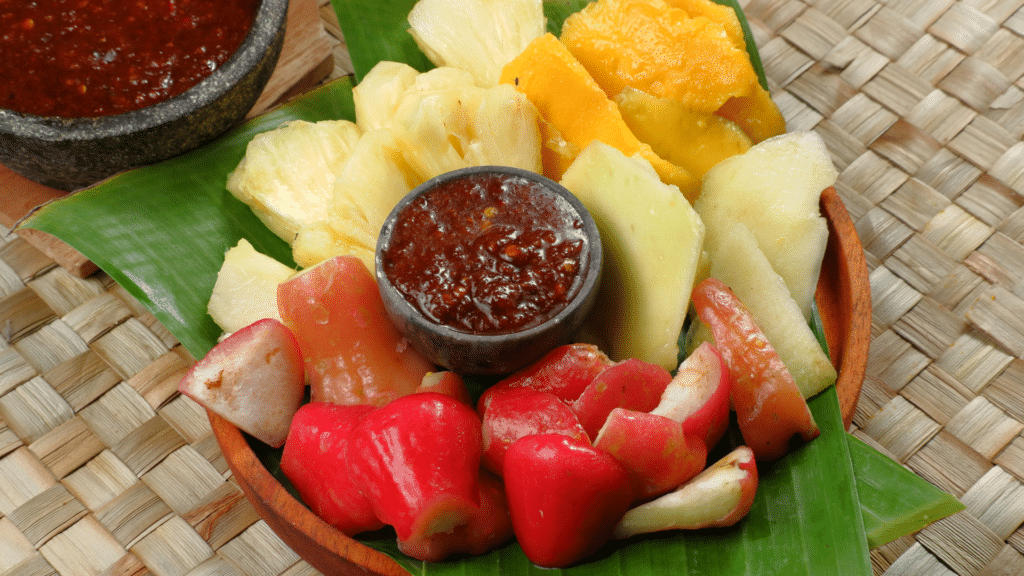
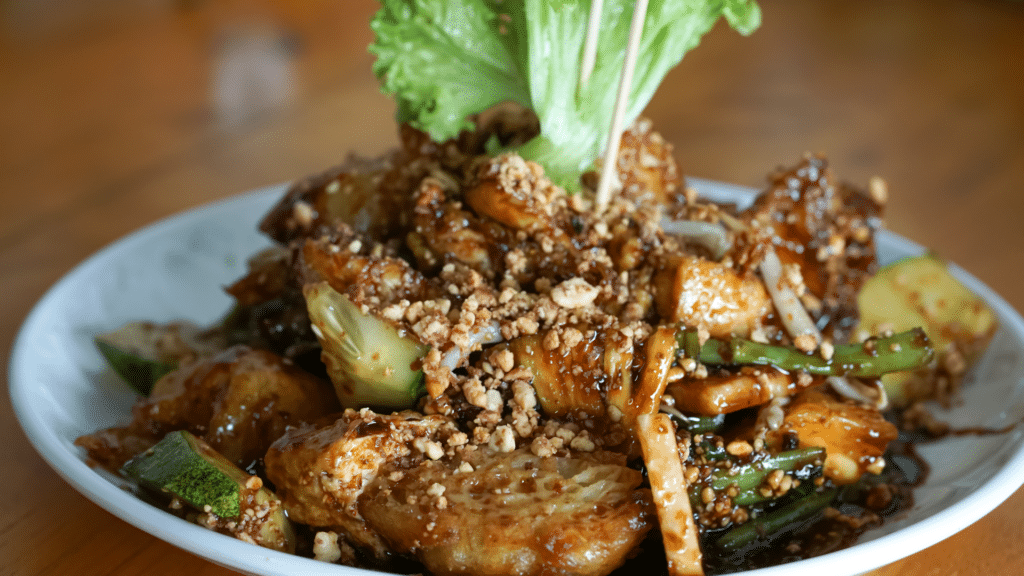
Photo by Canva
What is Rojak Singapore? 🍋
The term rojak literally translates to “mixture” in Malay, which perfectly describes this uniquely Singaporean dish. Unlike many fruit salads that highlight only fresh fruits, rojak Singapore is a fusion of fruits, fried tofu, and crunchy fritters, reflecting the multicultural influences of Chinese, Malay, and Indian communities.
The most famous variant is the Chinese-style rojak, which is a staple at hawker centres across Singapore. Typical ingredients include:
- Fruits: Pineapple, cucumber, jicama (bengkuang), occasionally guava or apple
- Fried components: Tau pok (fried tofu) and youtiao (fried dough sticks)
- Additional crunch: Long beans or other seasonal vegetables
- Dressing: A rich sauce made from belacan (fermented shrimp paste), palm sugar, lime juice, and chili
- Final touches: Crushed roasted peanuts and sesame seeds
The result is a multi-layered flavor experience sweet, salty, tangy, and slightly spicy with textures ranging from crispy youtiao to juicy fruit and soft tofu.
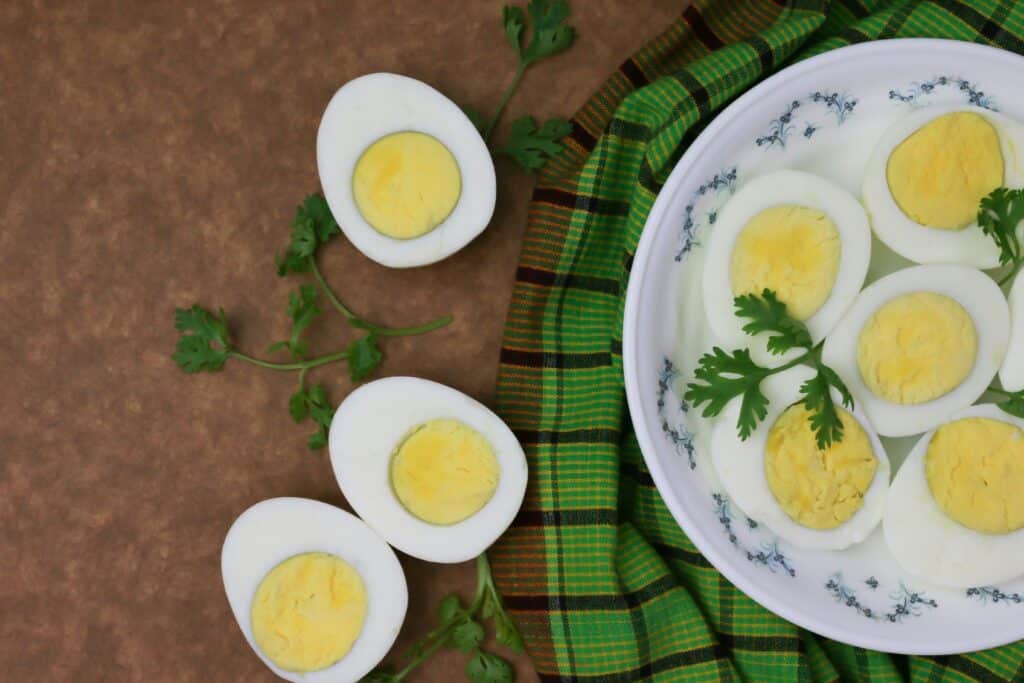
Another popular variant is the Indian-style rojak, also known as pasembur. This version emphasizes fried fritters, boiled eggs, cucumbers, and sometimes seafood, all tossed in a thick peanut-based sauce. Its flavor is slightly sweeter and nuttier than the Chinese-style version, but still distinctly Singaporean.
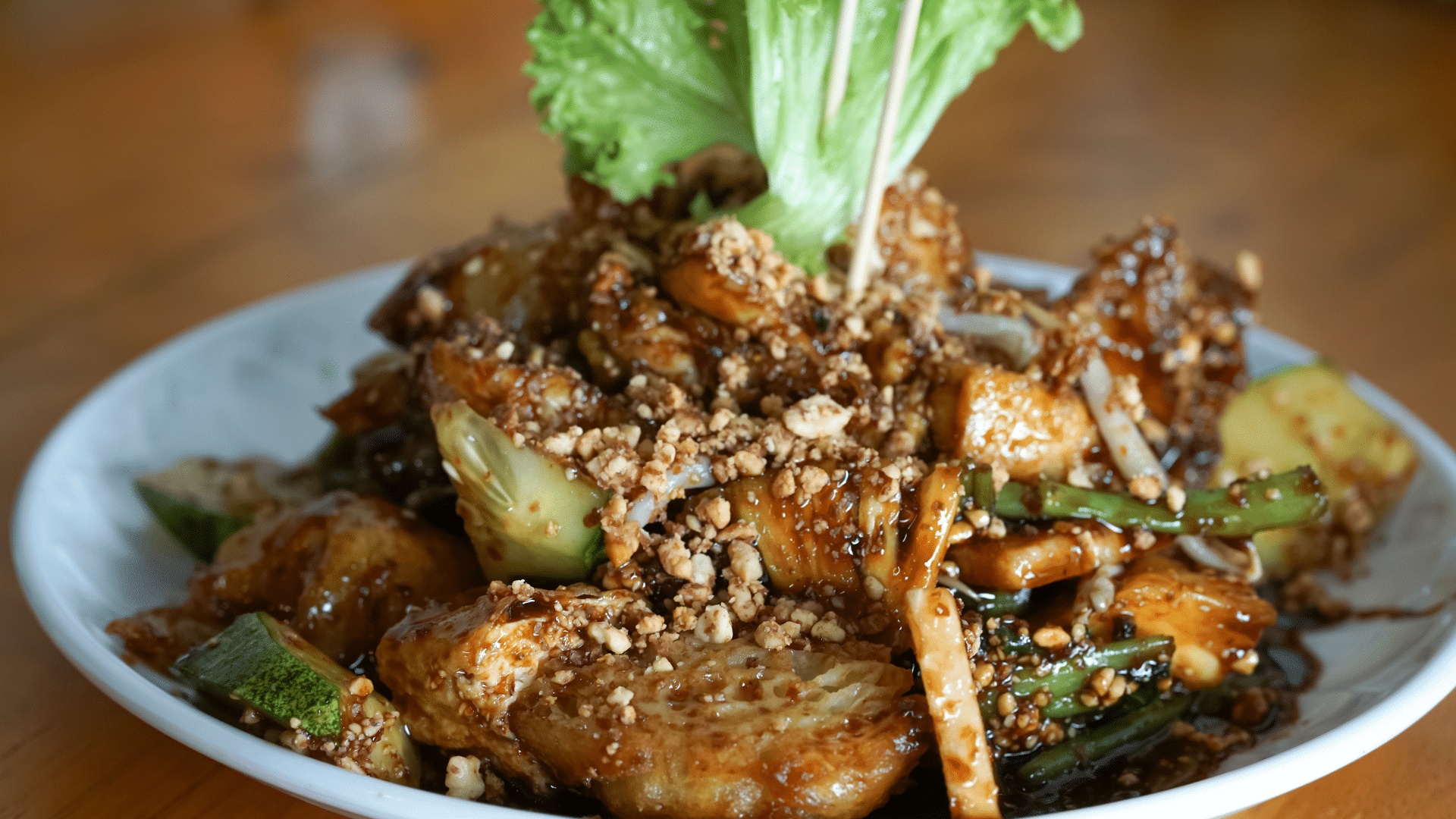
Photo by Canva
Rujak Indonesia: Fresh, Fruity, and Spicy 🍉
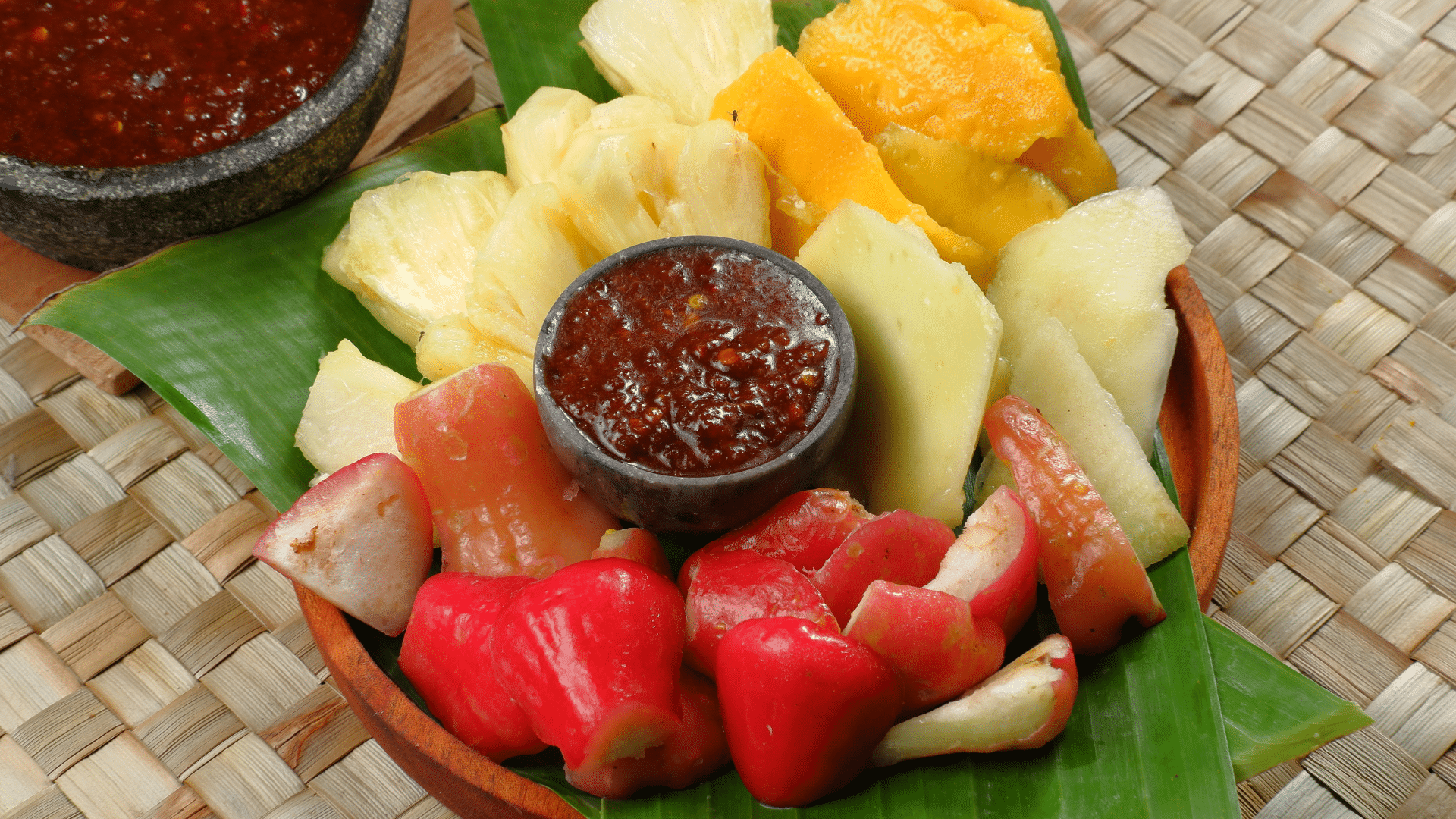
Traveling west to Indonesia, you’ll find rujak, a dish that shares the concept of mixed fruits but emphasizes freshness and tangy flavor. Unlike Singapore’s rojak, which combines fruits and fried elements, Indonesian rujak primarily features tropical fruits such as:
The most famous variant is the Chinese-style rojak, which is a staple at hawker centres across Singapore. Typical ingredients include:
- Mango (often unripe for tanginess)
- Jambu air (water guava)
- Kedondong (ambarella)
- Pineapple, papaya, cucumber, etc
Depending on the region, rujak may also include boiled sweet potatoes, tempeh, or even cingur (cow nose) in Surabaya’s famous Rujak Cingur.
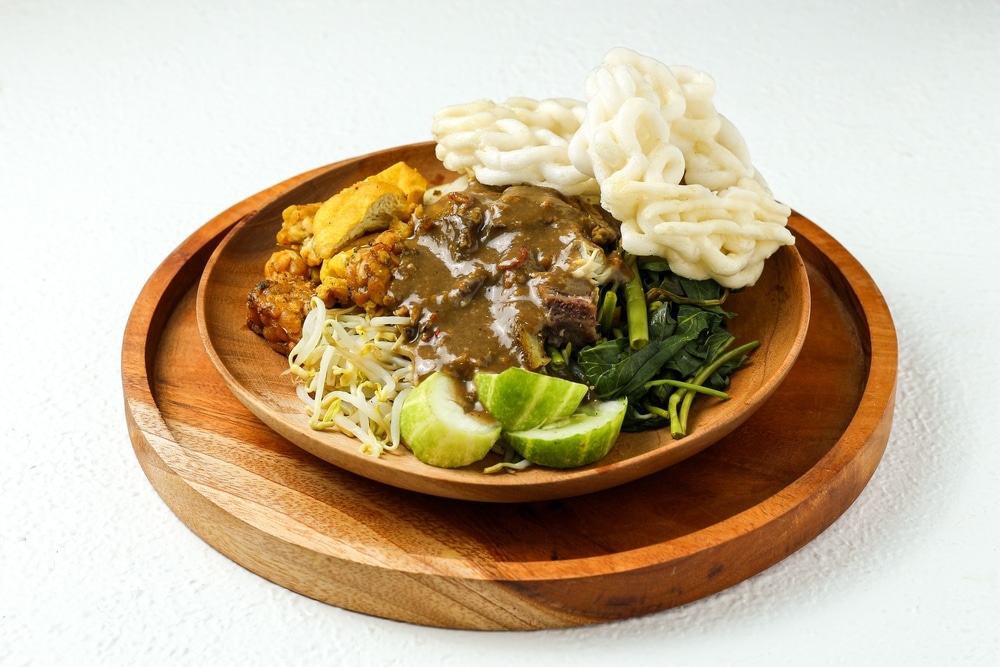
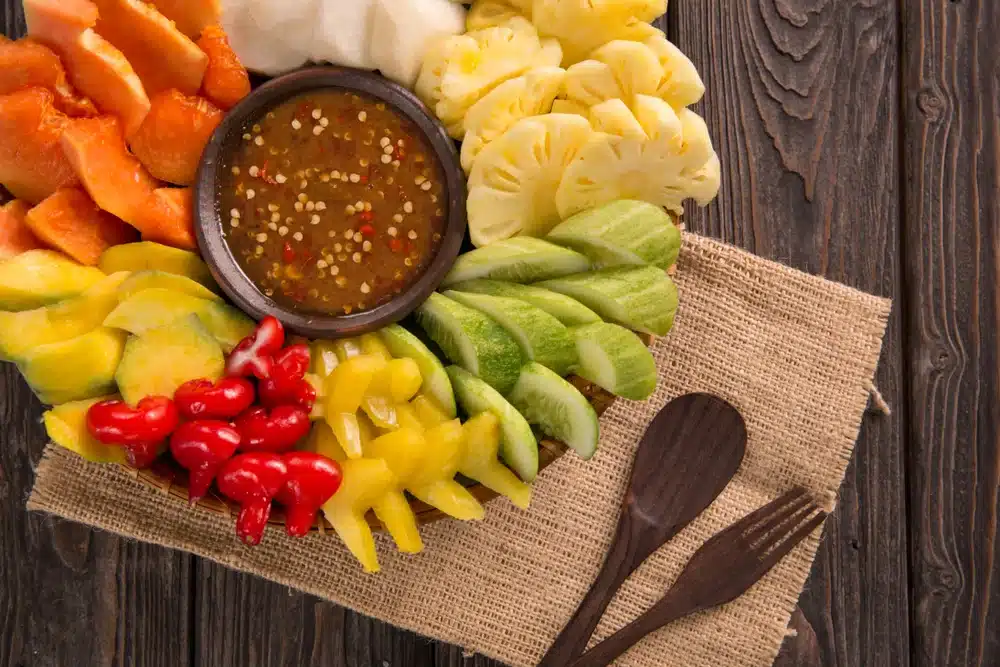
Rujak Cingur (Left), Fruit Rujak (Right), Photo by indonesia.travel
The magic is in the sauce, traditionally made from:
- Palm sugar (gula merah)
- Chili, fresh or dried
- A hint of terasi (fermented shrimp paste, optional)
- Tamarind or lime juice for acidity
This produces a sweet, spicy, and tangy dressing that highlights the fruit’s natural flavors. Rujak is often pounded in a cobek (mortar) or tossed gently to coat the fruits evenly.
Key Differences Between Rojak Singapore and Rujak Indonesia 🔍
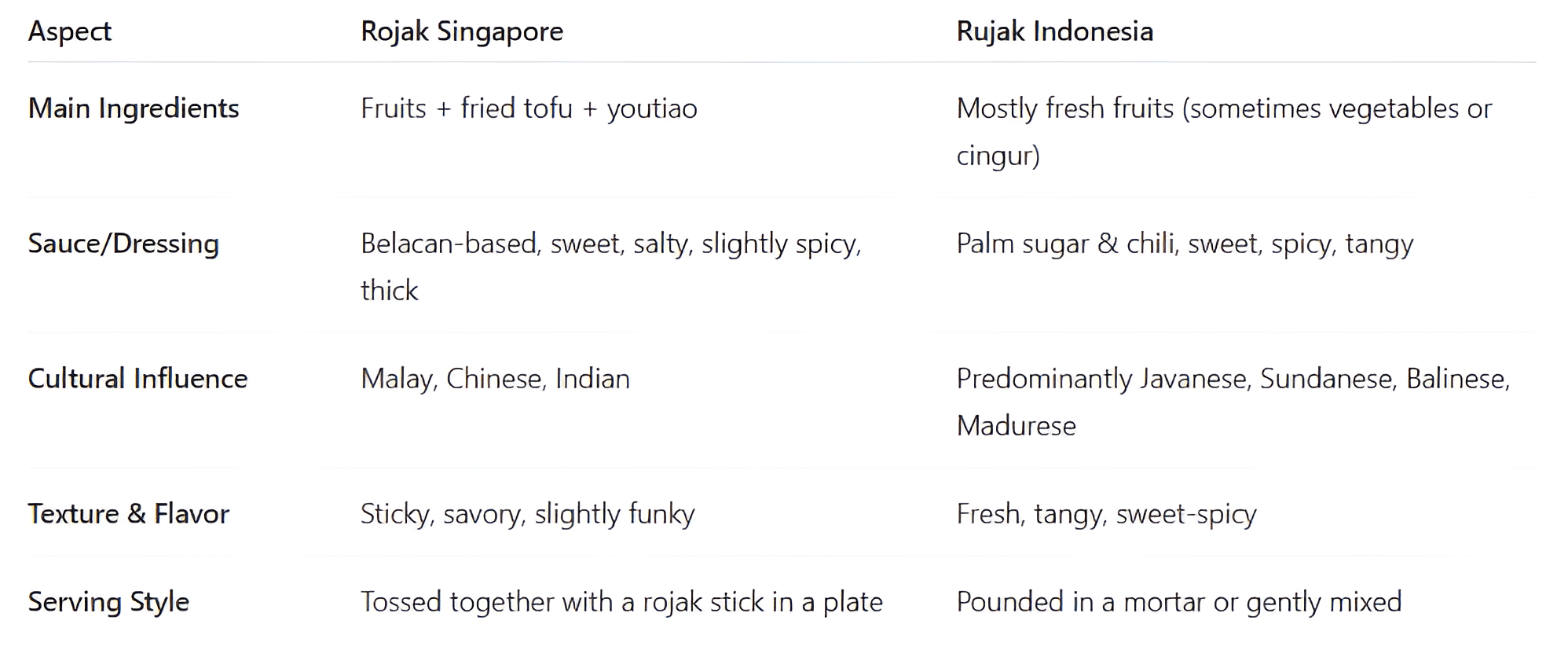
In summary, rojak Singapore leans towards complex, savory, and umami-rich flavors, perfect for those who love bold street food experiences. Rujak Indonesia, on the other hand, is all about freshness and tangy-sweet simplicity, highlighting the tropical fruits’ natural flavors.
Tips for Enjoying the Best Rojak and Rujak
Rojak Singapore:
- 1. Look for a balance of textures: crispy youtiao, soft tofu, juicy fruits, and crunchy peanuts.
- 2. Freshness matters, fruits should be firm, not soggy.
- 3. Ask for extra lime juice or chili if you like a tangier or spicier kick.
- 4. Try different hawker stalls. Each vendor has their own sauce recipe, some sweeter, some funkier.
Rujak Indonesia:
- 1. Choose fruits that are firm and slightly sour, especially for mango and kedondong.
- 2. Make sure the sauce is well-pounded, so it evenly coats each fruit piece.
- 3. For Rujak Cingur, try it at a traditional Surabaya eatery for the authentic experience.
- 4. Adjust chili level to taste some regions like it very spicy, while others keep it mild.
Fun Facts 🧡
- Some hawker stalls in Singapore have perfected rojak recipes over 50+ years, making the sauce a closely guarded secret.
- In Indonesia, rujak is often sold at street markets with the sauce made fresh daily, ensuring maximum flavor.
- Both dishes reflect local culture and social life, with Singapore rojak leaning more towards fusion street food, and Indonesian rujak emphasizing communal enjoyment.
Final Thoughts 🍴
Whether you’re wandering through a hawker centre in Singapore or enjoying a street-side stall in Indonesia, you’re in for a taste adventure.
- Rojak Singapore is perfect for those craving bold, umami-rich flavors with a mix of textures.
- Rujak Indonesia offers a fresh, fruity, tangy, and spicy experience, celebrating tropical flavors in their purest form.
Both dishes show how Southeast Asians celebrate flavor, texture, and community, making them must-tries for any foodie exploring the region.
So next time you find yourself in Singapore or Indonesia, don’t miss out on these iconic fruit salads. They’re more than just food; they’re a cultural experience on a plate.