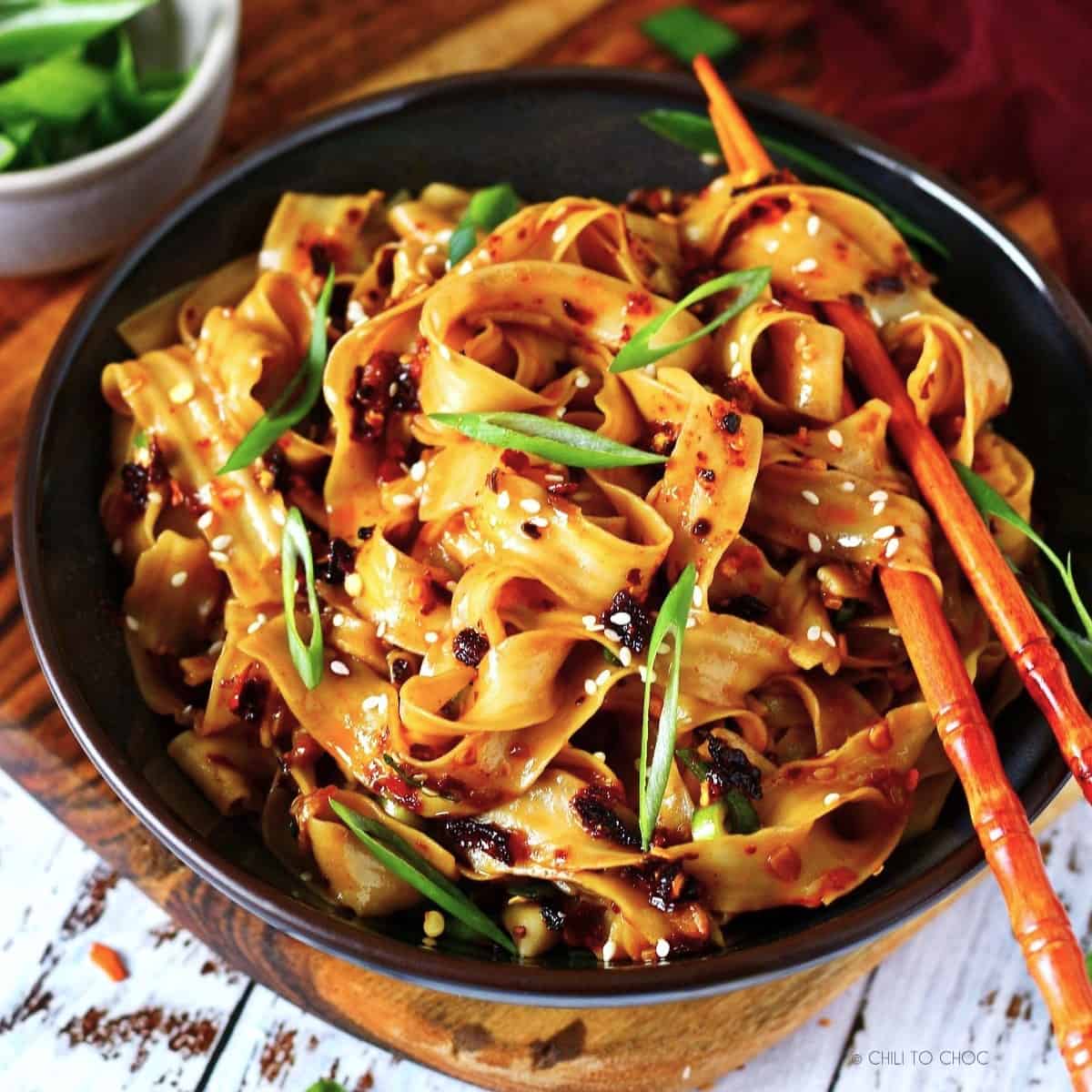
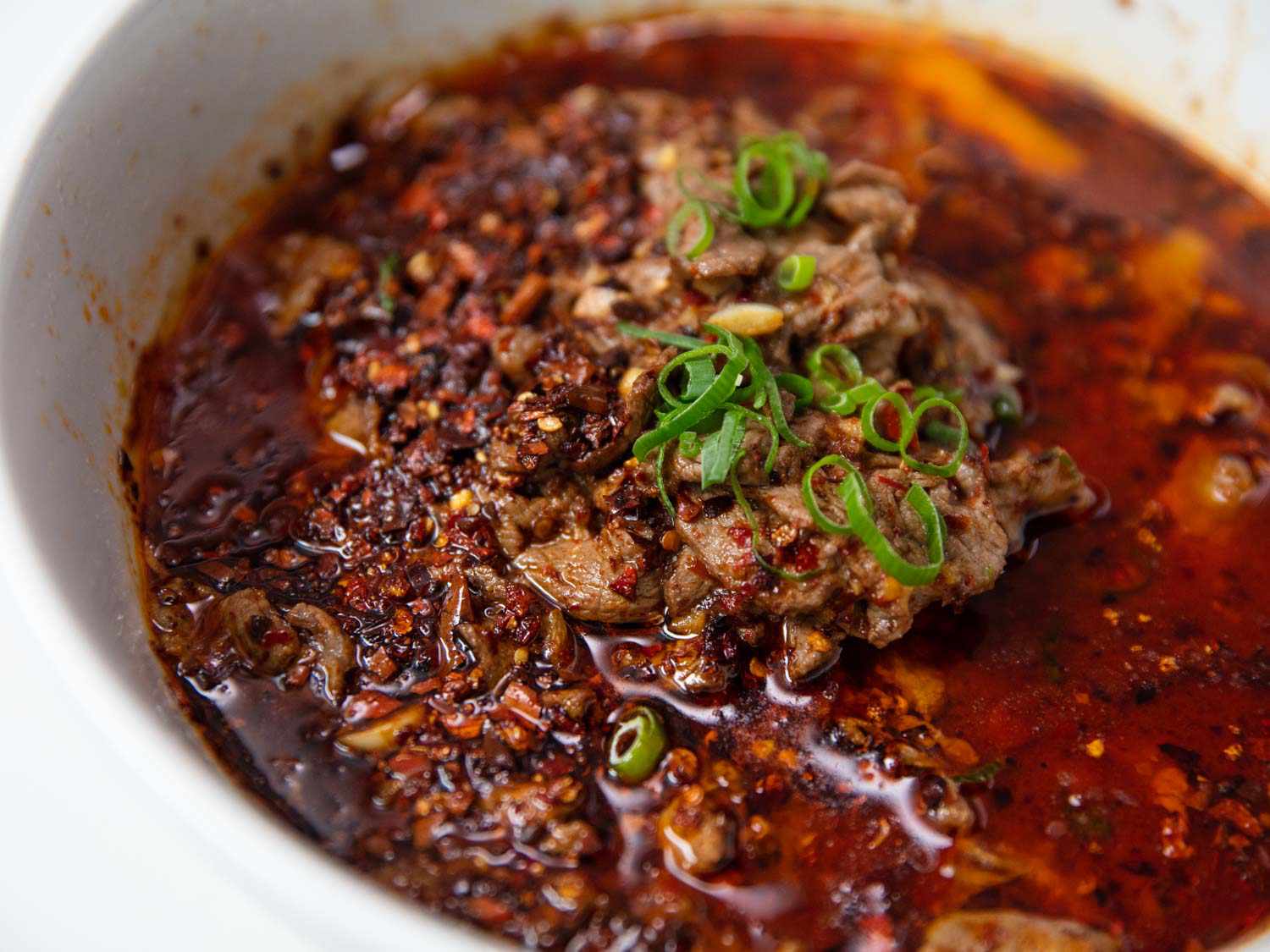
There’s something magical about that deep red shimmer floating on top of your noodles, a glistening layer of chili oil that instantly promises heat, aroma, and flavor. It’s the kind of condiment that can wake up a sleepy bowl of dumplings, transform plain rice into something exciting, and make your kitchen smell absolutely irresistible.
But have you ever wondered where this fiery condiment came from? Let’s travel back in time to the heart of China, where it all began.
A Spark in Sichuan 🌶️
The story of chili oil begins in Sichuan, China, a land famous for its bold, tongue-tingling flavors. Long before chili peppers arrived, the people of Sichuan were already obsessed with complexity building dishes from fermented beans, ginger, garlic, and the famous Sichuan peppercorn, which leaves a unique numbing sensation known as má là.
Then, around the 16th century, chili peppers arrived in Asia from South America, carried by Portuguese traders. These bright red pods quickly captured the hearts (and tongues) of Sichuan locals. They didn’t just bring heat, they added depth, vibrancy, and warmth to the dishes the region was already known for.
At first, chili was used fresh or dried, but soon, home cooks discovered something genius: by pouring hot oil over chili flakes, they could preserve the flavor for months. That discovery marked the birth of chili oil, a humble invention that would eventually conquer kitchens worldwide.

The Fragrance of Fire 🫙
Making chili oil in Sichuan isn’t just a cooking task; it’s a ritual passed down through generations. Picture this: a wok filled with shimmering golden oil, gently heating over the fire. The cook tosses in ginger slices, star anise, scallions, and Sichuan peppercorns, filling the air with an aroma that’s spicy, floral, and deeply comforting.
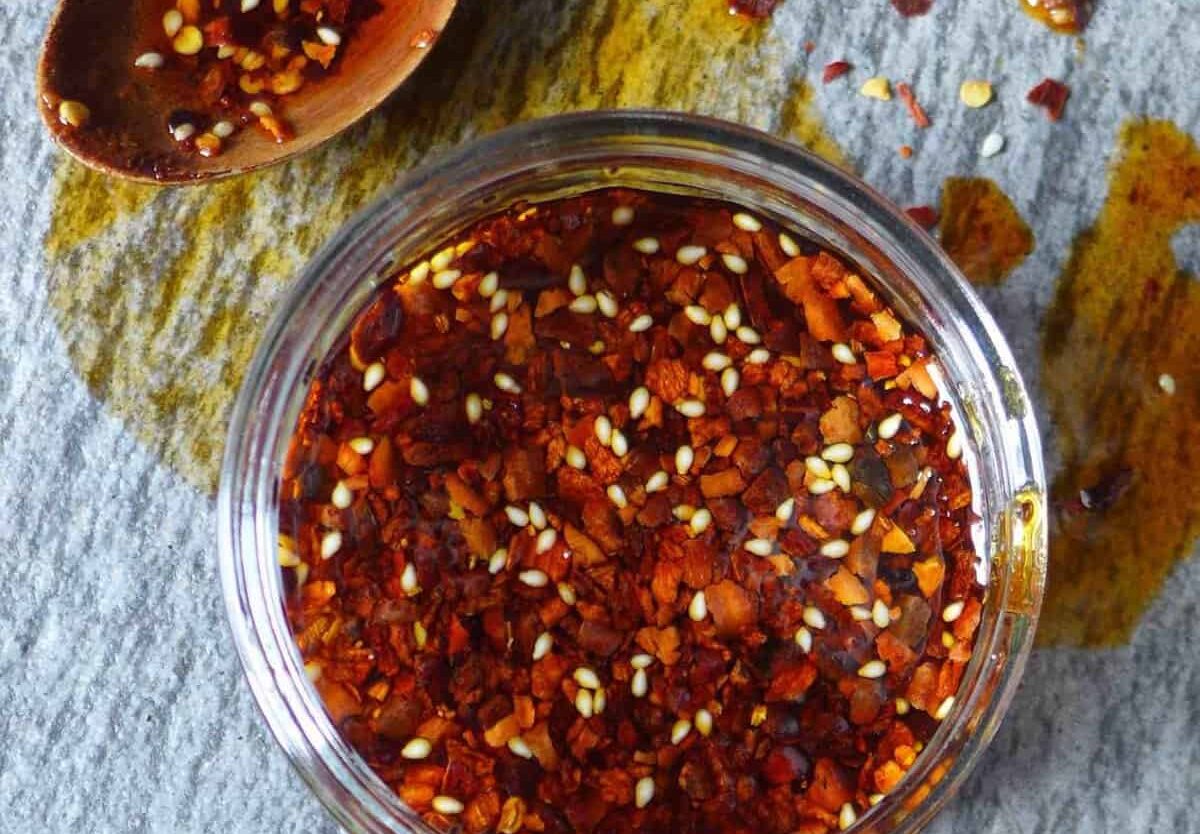
Then comes the most exciting part: the pour. The hot oil is poured over a bowl of crushed chili flakes, garlic, and sesame seeds. It sizzles, it hisses, and for a few seconds, it’s pure kitchen theater. That sound means one thing: the flavor has come alive.
Every household has its own secret recipe. Some like it extra smoky, some add garlic for punch, others mix in a hint of sugar to balance the heat. But the goal is always the same to create a chili oil that’s not just spicy, but harmonious. Because good chili oil doesn’t just burn your tongue it should dance on it.
From Dumplings to the World
In Sichuan homes, chili oil is an essential condiment. It’s drizzled over dan dan noodles, spooned onto steamed dumplings, mixed into tofu, or used as a dip for wontons. It’s the secret touch that turns simple dishes into something addictive, spicy, savory, and impossible to stop eating.
As time went on, chili oil traveled beyond Sichuan. When Chinese immigrants spread across Asia, they brought their love for spice with them.
- In Japan, chili oil became rayu (ラー油) a smoother, slightly milder version often served with gyoza.
- In Thailand, the locals created nam mun prik, which is sharper and more aromatic.
- In Korea, chili-infused oils inspired a variety of side dishes using gochugaru, the famous Korean red chili flakes.
From there, chili oil took over the world. You’ll find it on pizza in New York, tossed in pasta in London, and even drizzled on avocado toast in Sydney. It’s no longer just Asian, it’s universal.
The Modern Chili Oil Craze 🧡
Fast forward to the 1990s a woman named Tao Huabi from Guizhou changed the chili oil game forever. Her brand, Lao Gan Ma (老干妈), turned this traditional condiment into an international sensation. Her version wasn’t just oil; it had bits of fried chili, garlic, and soybeans crispy, rich, and perfectly umami. Soon, it was being called “the Beyoncé of condiments” by Western food magazines.
Today, chili oil has entered a new era. Chefs and food creators around the world are putting their own spin on it from crispy chili oil with garlic chips and peanuts to truffle chili oil for the fancy food crowd. TikTok and Instagram are full of slow-motion chili drizzles, the modern love language of foodies.
But even with all the reinvention, the heart of chili oil remains the same: a bottle of warmth, comfort, and fire that connects the past to the present.
How to Make Authentic Sichuan-Style Chili Oil 🥄
If you’ve ever wanted to make your own chili oil at home, here’s a simple yet authentic version that captures the true Sichuan spirit.
🧂 Ingredients:
- 2 cups neutral oil (canola, vegetable, or peanut oil)
- ½ cup chili flakes (preferably Sichuan or a mix of crushed dried chilies)
- 1 tbsp Sichuan peppercorns
- 3 star anise pods
- 1 small piece cinnamon stick
- 2 bay leaves
- 3 cloves garlic, smashed
- 1 small piece ginger, sliced
- 1 tbsp toasted sesame seeds (optional)
- ½ tsp salt
🔥 Instructions:
- 1. Heat the oil in a small pot over low heat. Add garlic, ginger, star anise, cinnamon, bay leaves, and Sichuan peppercorns. Let them infuse slowly for about 10–15 minutes. You don’t want to fry them just to release their aroma.
- 2. Prepare the chili flakes in a heatproof bowl. Add salt and sesame seeds.
- 3. Strain the oil, removing all the aromatics. Wait a minute until the oil cools slightly (around 120–130°C).
- 4. Pour the hot oil over the chili flakes in three stages; this helps release deep, layered flavors. The oil should sizzle and turn the chili a brilliant red.
- 5. Let it cool completely, then transfer it to a clean, dry jar. Store in a cool place for up to 2–3 months.
Pro Tip:
For more texture, mix in crispy shallots or fried garlic once the oil cools down that’s the secret to “crunchy chili oil”.
How to Use Chili Oil 🧊
Chili oil is one of those magical condiments that can transform almost anything it touches. A small spoonful can lift a bowl of noodles from simple to sensational, adding layers of heat, aroma, and umami in every bite. It’s perfect for stirring into ramen or fried rice, giving both an instant punch of flavor and color. Many people love to drizzle it over dumplings or spring rolls as a dipping sauce, while others mix it with soy sauce and vinegar to create an easy, restaurant-style dressing.
Beyond Asian cuisine, chili oil has also found its way onto modern fusion dishes from grilled meats and tofu to even pizza and popcorn. However you use it, this fiery red oil adds depth, character, and a hint of adventure to your plate.
Q&A: Common Cookie Questions 💬
Q1: How long does homemade chili oil last?
A: It can last up to 2–3 months when stored in a sealed jar in a cool, dark place. Always use clean utensils when scooping to keep it fresh.
Q2: Can I use olive oil instead of vegetable oil?
A: Technically yes, but olive oil has a strong flavor that can overpower the spices. Neutral oils like canola or peanut oil are better for balance.
Q3: Why did my chili oil turn bitter?
A: That usually happens if the oil was too hot when poured. Let it cool slightly before mixing with chili flakes around 120°C is ideal.
Q4: Can I skip Sichuan peppercorns?
A: You can, but they give the oil that unique má là (numbing and spicy) taste that makes Sichuan chili oil special.
Q5: How can I make it less spicy?
A: Use milder chili flakes, or mix them with paprika to keep the color but lower the heat.
Final Thoughts ✨
Chili oil is more than just a condiment; it’s a story of migration, creativity, and warmth. From humble Sichuan kitchens to modern fusion restaurants, it represents one universal truth: food connects people through flavor.
So next time you open that jar and drizzle its crimson glow over your noodles, pause for a moment. You’re not just adding spice, you’re tasting history, passion, and the fiery legacy of Sichuan itself.