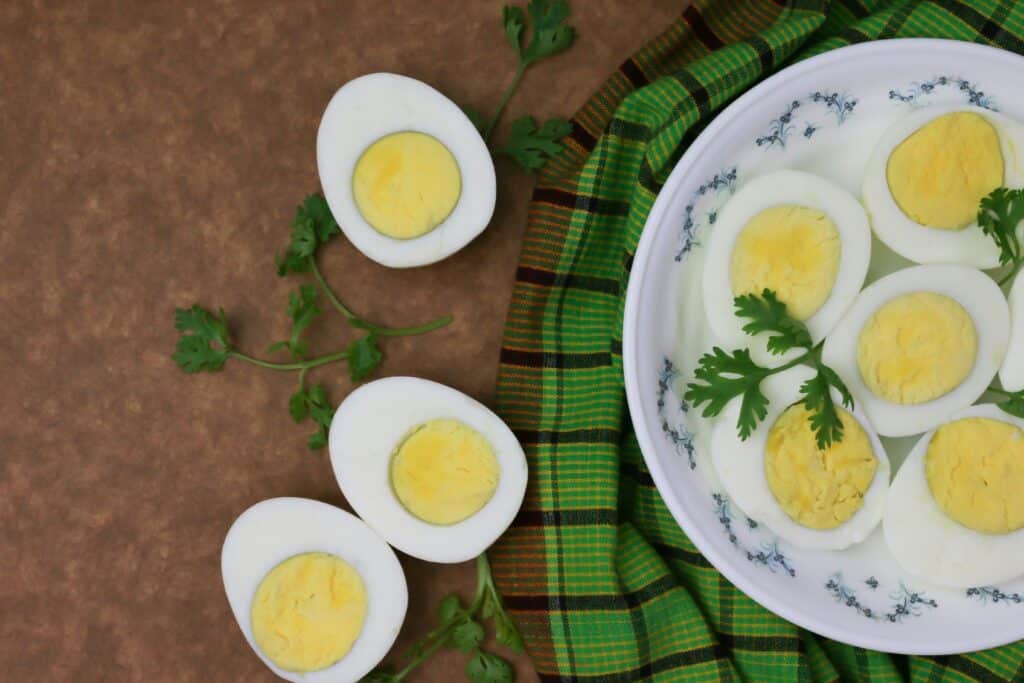
If Buf loves food as much as we do, chances are you’ve enjoyed a perfectly roasted chicken, a crispy duck leg, or maybe even a bite of quail at some fancy restaurant. Poultry is one of the most versatile sources of protein in the culinary world, and it comes in so many forms that each country has its own signature dish to celebrate it. From juicy chicken satay in Southeast Asia to golden roast turkey on American Thanksgiving tables, every type of bird brings a different texture, flavor, and story to the plate.
So let’s take a delicious deep dive into the different types of poultry we can eat, what makes them unique, and how chefs around the world love to prepare them.
1. Chicken: The Everyday Favorite
Chicken is the world’s most common and beloved poultry. It’s the star of countless dishes, from comforting chicken soup to spicy fried chicken and everything in between. What makes chicken so popular is its mild flavor and adaptability. You can grill, fry, roast, steam, or stew. It always delivers.
There are several types of chicken commonly consumed:
- Broiler chickens, which are raised for their tender meat. These are what you usually find in restaurants and fast food chains.
- Free-range or kampung chickens, which roam freely. Their meat tends to be firmer and more flavorful because they use their muscles more.
- Laying hens, which are mostly raised for their eggs, but when they get older, they’re also cooked in soups or slow-cooked dishes for extra richness.
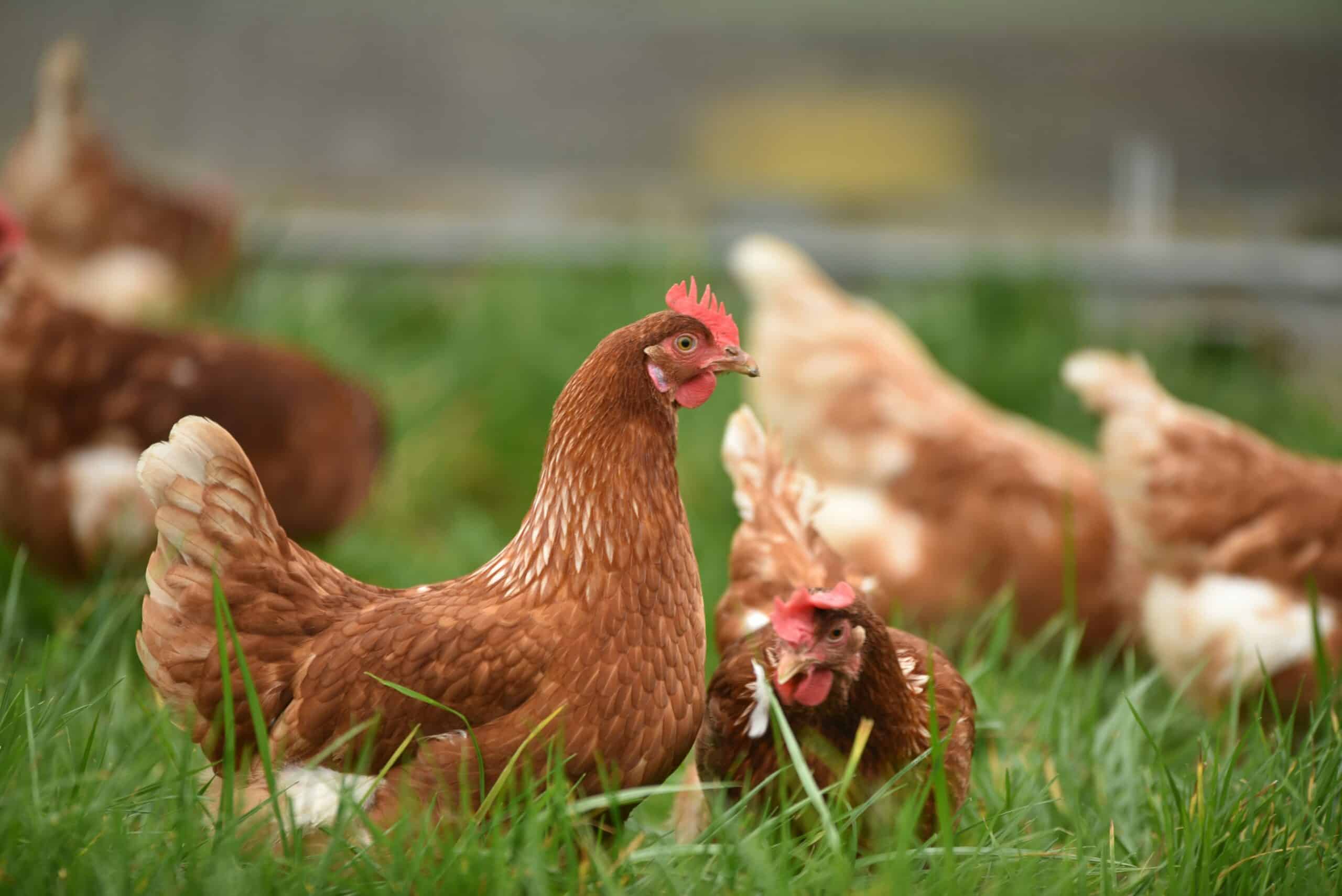
Photo by Thomas Iversen on Unsplash
Nutritionally, chicken is high in protein and relatively low in fat, especially the breast part. But for flavor lovers, the thighs and drumsticks offer that perfect balance of juiciness and tenderness.
2. Helps You Power Through Workouts
If chicken is the friendly neighbor everyone knows, duck is the mysterious friend who always brings something special to the table. Duck meat has a deeper flavor and a fattier texture that makes it stand out. The fat content gives it that mouthwatering crisp when roasted, especially the skin. Just think of Peking duck, one of China’s most iconic dishes, with its glossy, caramelized skin that cracks perfectly under your teeth.
Duck is common in many Asian cuisines from Indonesian bebek goreng to French confit de canard. Each culture celebrates its richness differently, but one thing’s consistent: duck always feels a little indulgent.
Its darker meat is rich in iron and has a strong, distinctive aroma. If you’re trying duck for the first time, go for roasted or confit versions to enjoy the best balance of texture and flavor.

Photo by Nikolay Tchaouchev on Unsplash
3. Turkey: The Festive Giant
Turkey might not be an everyday meat in Asia, but in the West, it’s practically a symbol of celebration. Think of Thanksgiving the huge golden bird at the center of the table, surrounded by mashed potatoes, gravy, and cranberry sauce.
Turkey meat is leaner than duck, slightly firmer than chicken, and perfect for roasting or slicing into sandwiches. Because of its low fat content, it’s considered a healthy source of protein and a good alternative to red meat.
In some countries, turkey is also smoked, grilled, or made into sausages for a unique twist.
Fun Fact:
Turkey legs and wings are often juicier than the breast, which tends to dry out if not cooked properly. That’s why most people use marinades, butter rubs, or stuffing to lock in moisture and flavor.
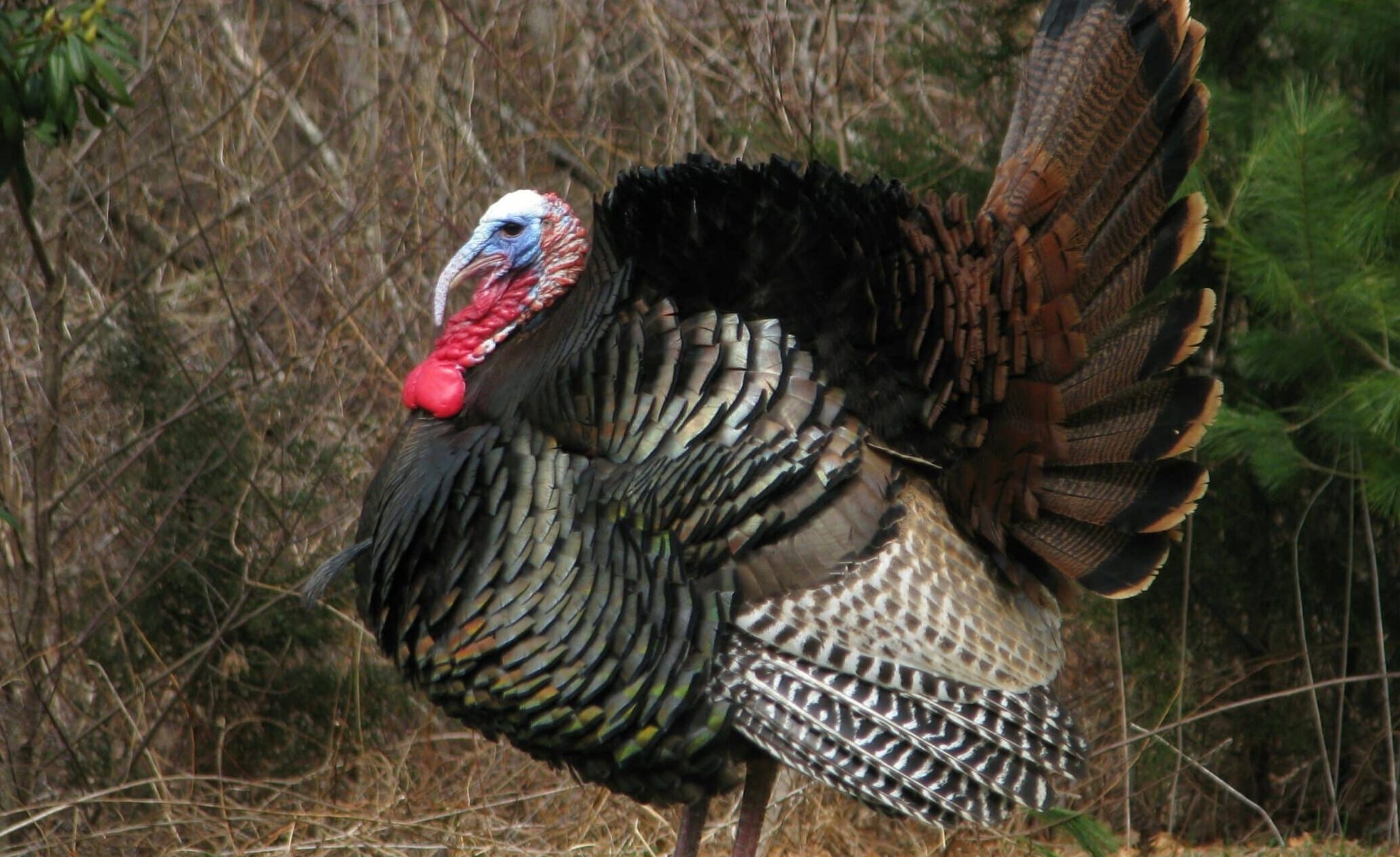
Photo by Suzy Brooks on Unsplash
4. Goose: The Gourmet Choice
Goose meat is not as common, but it’s a true delicacy in European and Chinese cuisines. The flavor is intense, rich, and slightly gamey. Imagine something between duck and beef.
Roast goose is especially popular during the holiday season in Germany, Hong Kong, and parts of France. The fat rendered during roasting is often collected and reused as goose fat, a prized cooking ingredient that adds incredible flavor to roasted potatoes and vegetables.
Because geese are larger birds, the meat tends to be dense and hearty. It pairs beautifully with sweet sauces like plum or orange, which balance its richness.
If you’ve never tried goose before, it’s a must for any food lover who enjoys bold, sophisticated flavors.

Photo by Nick Fewings on Unsplash
5. Pigeon (Squab): The Underrated Gem
When people hear “pigeon,” they often think of city birds, but squab, the culinary term for young pigeon, is actually a delicacy. This meat is dark, tender, and slightly sweet, almost like a cross between chicken liver and duck.
In fine dining, roasted pigeon is often served with luxurious sauces or truffle-infused sides. Meanwhile, in Chinese cuisine, it’s common to find crispy deep-fried pigeon brushed with honey glaze.
Though small, pigeons are packed with nutrients and have an elegant flavor that surprises many first-timers. It’s the kind of dish you’d order once out of curiosity and remember forever for its unique taste.

Photo by dadalan real on Unsplash
6. Quail: Small in Size, Big in Flavor
Quail is another petite bird that delivers incredible flavor. It’s often served whole, because of its small size, and the meat is tender, juicy, and aromatic.
In Southeast Asia, grilled or fried quail is a street food favorite, while in European fine dining, it’s often roasted and paired with mushrooms or berries. The tiny quail eggs are also popular creamy and rich, often used in salads or snacks.
Quail meat cooks quickly and is perfect for those who like something special yet approachable. Its mild gamey note makes it stand out without being too strong.

Photo by Sagar Paranjape on Unsplash
7. Other Edible Birds: The Rare Finds
There are also less common but still edible birds found in specific regions:
- Pheasant, popular in Europe, has a mild flavor similar to chicken but with a hint of wild aroma.
- Ostrich, though flightless, is technically a bird. Its red meat resembles beef and is surprisingly low in fat while high in protein.
These are more exotic options, often found in specialty restaurants or gourmet markets. They show just how diverse the world of edible birds can be.
Flavor, Texture, and Cooking Styles
What makes each poultry type so different? It all comes down to diet, age, and fat content. Chickens raised on grain have a milder flavor, while ducks and geese that store more fat taste richer and more aromatic. The younger the bird, the more tender the meat. That’s why squab or young quail are prized for their softness.
Cooking methods also bring out different sides of each bird.
- Roasting enhances crisp skin and smoky notes.
- Stewing or braising tenderizes tougher meats like old chicken or duck legs.
- Grilling or frying gives an irresistible crunch and caramelization.
Each bird has its own personality, and the best chefs know how to highlight it perfectly.

Frequently Asked Questions (FAQ)
Q1: What counts as poultry?
A: Poultry refers to domesticated birds raised for their meat and eggs. The most common types include chicken, duck, turkey, goose, quail, and pigeon. Some exotic varieties like pheasant and ostrich are also considered poultry, though less common.
Q2: Which poultry meat is the healthiest?
A: Chicken breast is often considered the healthiest because it’s high in protein and low in fat. Turkey is another great lean option. Duck and goose are richer in flavor but also higher in fat, so they’re best enjoyed occasionally or in smaller portions.
Q3: Is duck meat red or white meat?
A: Even though duck is poultry, its meat is considered red meat because it contains more myoglobin, which gives it a darker color and richer taste. That’s why duck has a bolder, beef-like flavor compared to chicken.
Q4: What’s the difference between chicken and quail?
A: Chicken is larger and milder in taste, while quail is smaller, tender, and slightly gamier. Quail cooks faster and is often served whole, making it a favorite for gourmet dishes or appetizers.
Q5: Can you eat pigeon meat safely?
A: Yes, but not all pigeons. The edible kind is called squab, which refers to young, farm-raised pigeons. They’re raised under clean conditions and have tender, flavorful meat very different from city pigeons you see outdoors.
Q6: Why does duck taste different from chicken?
A: Duck has more natural fat, which adds depth and a slightly gamey flavor. Its dark meat and crispy skin make it perfect for roasting and rich sauces. Chicken, on the other hand, has a lighter taste that easily absorbs marinades and spices.
Q7: What are some exotic poultry meats?
A: Beyond chicken and duck, you might find pheasant, partridge, and ostrich in specialty markets or fine-dining restaurants. They’re considered gourmet options and usually have a stronger, more gamey flavor profile.
Q8: What’s the most flavorful poultry?
A: It depends on your taste. Duck and goose are the most flavorful and fatty, while chicken and turkey are more neutral. Quail and pigeon fall somewhere in between — tender and rich but not overpowering.
Q9: How do you choose the best poultry for cooking?
- For stir-fries or quick meals, chicken works best.
- For slow roasts or special dinners, duck or goose adds luxury.
- For unique flavors, try quail or pigeon for something memorable. Always choose fresh, well-raised birds. They make all the difference in taste and texture.
Q10: Is a goose similar to a duck?
A: Goose is like a duck’s richer cousin. It’s fattier, meatier, and more intense in flavor. Goose fat is highly prized in cooking; many chefs even prefer it to butter for roasting potatoes or vegetables.
Final Thoughts
From humble chicken to luxurious goose, every bird tells a story on your plate. They vary in texture, richness, and aroma, yet they all share one thing: comfort. Whether it’s the scent of roasted duck wafting through a Chinatown alley or the warmth of chicken soup simmering at home, poultry connects cultures, memories, and appetites.
So the next time you’re browsing a menu, maybe skip the usual chicken and try something new. Who knows a bite of quail or a slice of roast goose might just become your next culinary obsession.