What Exactly Is Jonker Street?
We visited Uji in late November, right at the end of autumn, and almost immediately felt something different. Compared to Kyoto or Osaka, Uji felt calm, spacious, and quietly beautiful. There were no towering buildings blocking the sky, no rush of crowds pushing from every direction. Instead, the city opened up with wide views, traditional streets, friendly locals, and most importantly matcha everywhere.
Uji is often called the matcha capital of Japan, and after spending a full day there withfamily, we completely understood why.
This image is provided by Foodiez team
Why Uji Is Known as Japan’s Matcha City
Uji, located in Kyoto Prefecture, is one of the oldest and most respected tea-producing regions in Japan. Matcha production here dates back to the 12th century, when tea cultivation began to flourish under the influence of Zen Buddhism.
What makes Uji matcha so special isn’t just history it’s a combination of:
- fertile soil along the Uji River,
- frequent mist that protects tea leaves,
- and traditional shaded cultivation methods (ooishita), which enhance umami and natural sweetness.
This image is provided by Foodiez team
This is why Uji matcha is widely used for tea ceremonies, premium desserts, and high-quality tea products across Japan.
First Impressions: Arriving in Uji in Late Autumn
By the time we arrived in Uji from Osaka via the Keihan Line, the weather had turned noticeably colder. It was that perfect late-autumn chill cold enough to crave something warm, but still comfortable for walking.
Uji immediately felt like a small, peaceful town. The streets were clean and quiet, locals were welcoming, and the atmosphere was far removed from the busy rhythm of big cities. It felt slow in the best possible way.
Exploring Byodo-in Temple and the Uji River
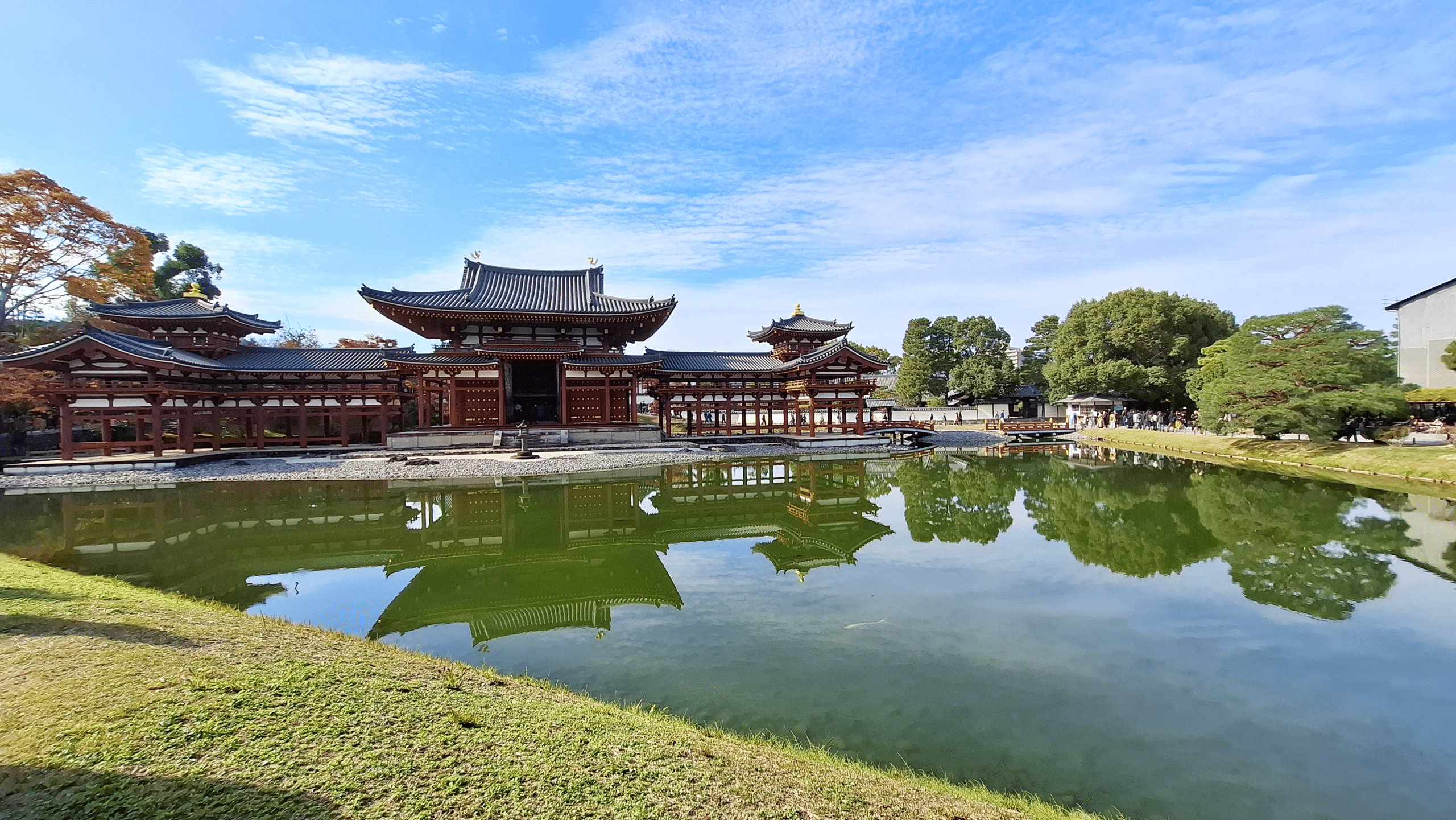
One of our first stops was Byodo-in Temple, one of Uji’s most iconic landmarks. The entrance fee was around 700 yen, and it was absolutely worth it.
The Phoenix Hall, reflected on the calm pond, looked especially beautiful surrounded by late-autumn colors. It’s no surprise this temple appears on Japan’s 10-yen coin; it truly feels timeless.
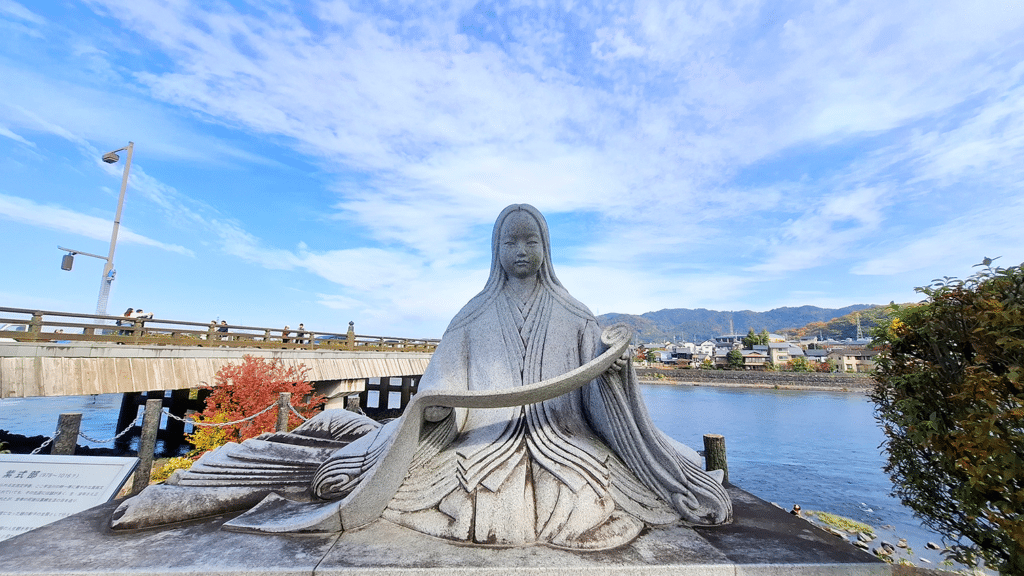
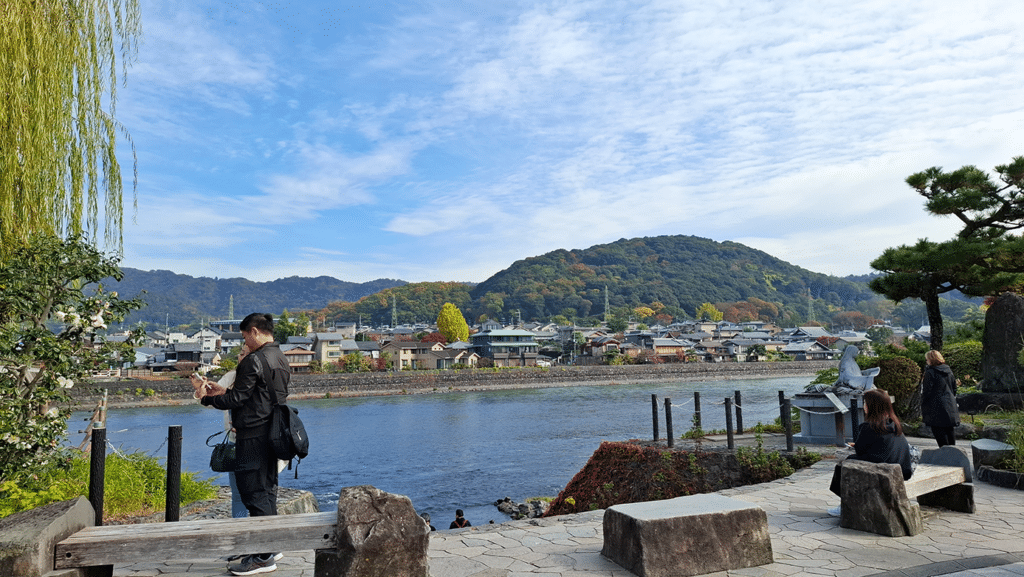
After that, we walked along the Uji River and crossed Uji-bashi Bridge, one of the oldest bridges in Japan. The area felt serene, with gentle river views and just enough visitors to keep it lively without being crowded.
Walking Along Omotesando Street: Matcha Everywhere
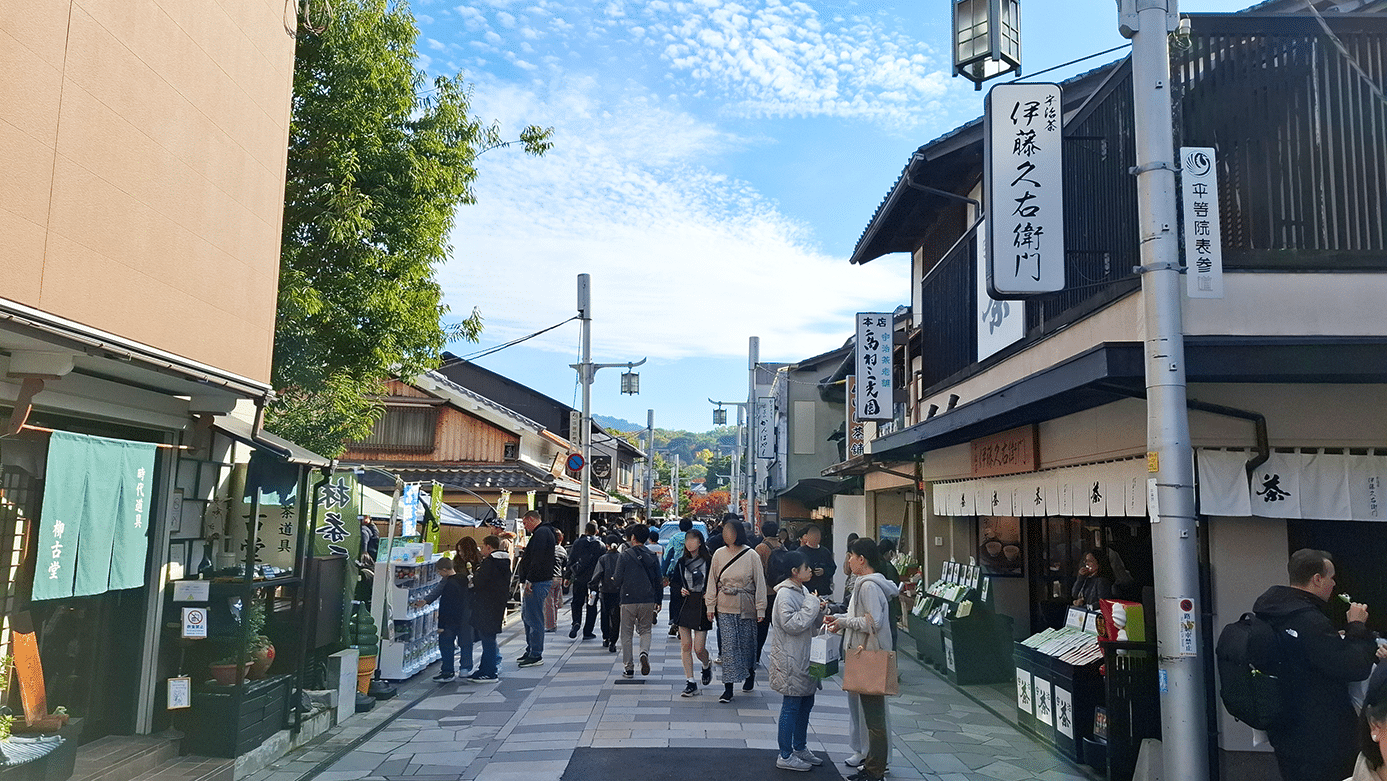
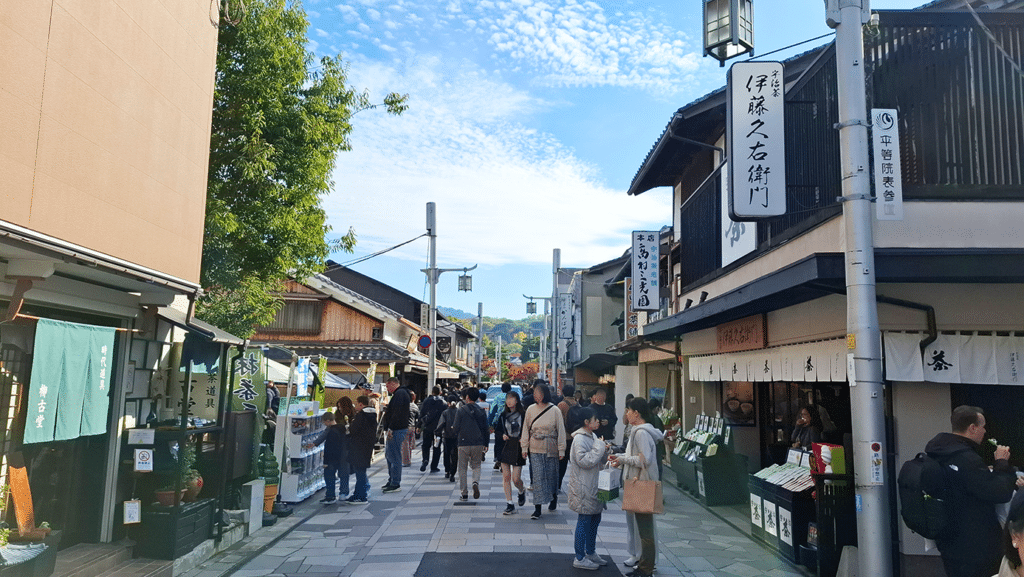
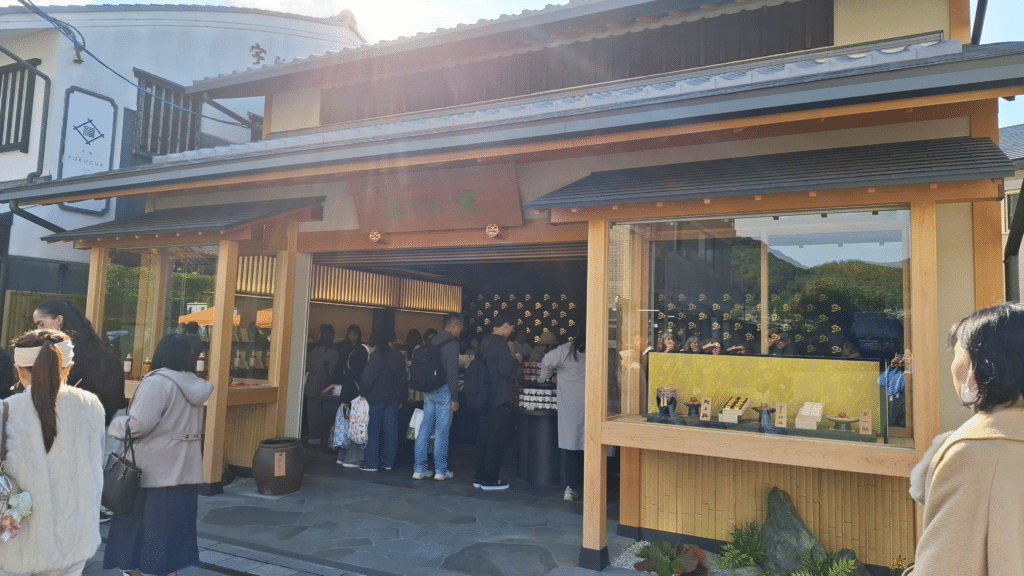
From Byodo-in, we continued to Omotesando Street, and this is where Uji truly shines.
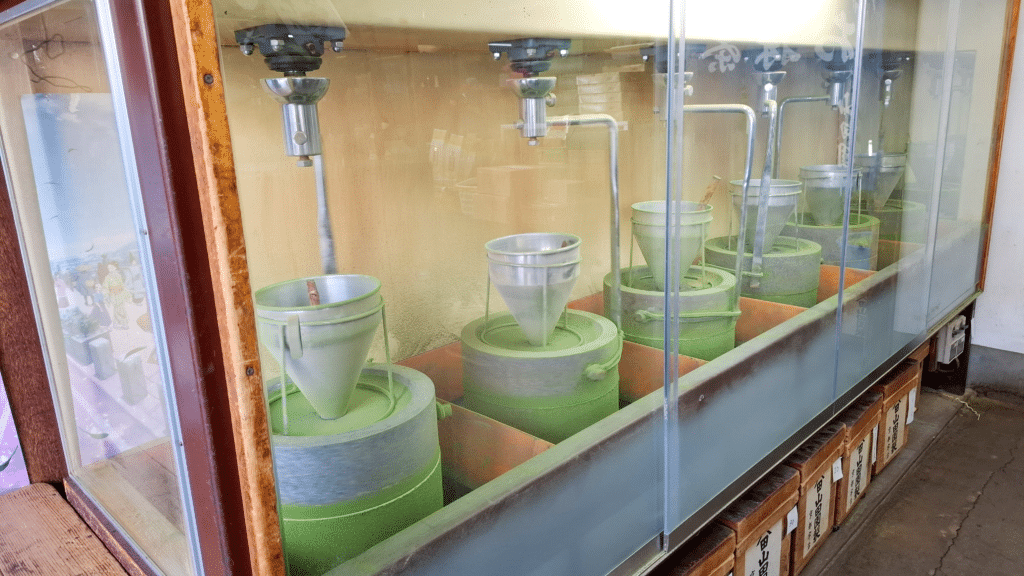
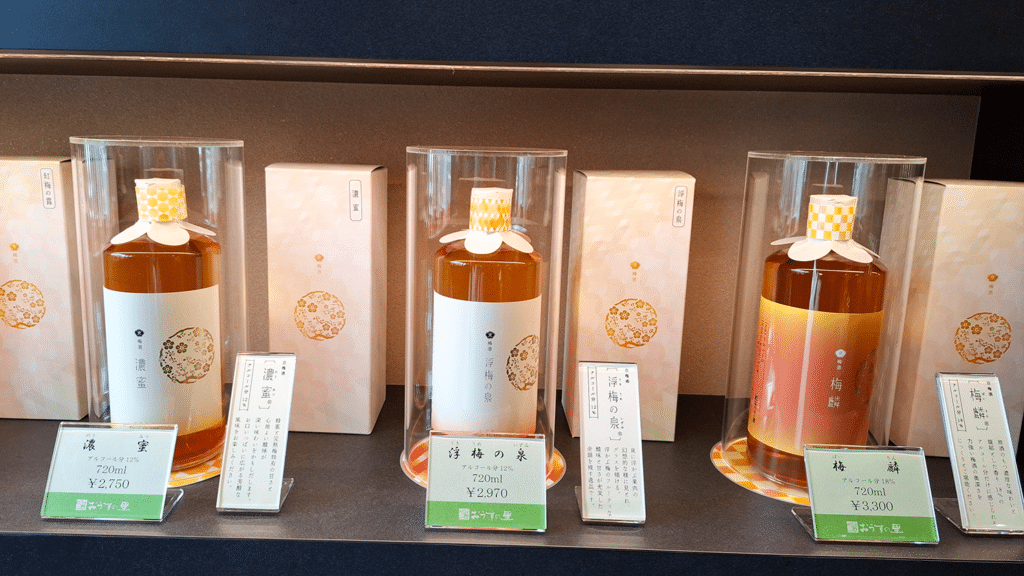
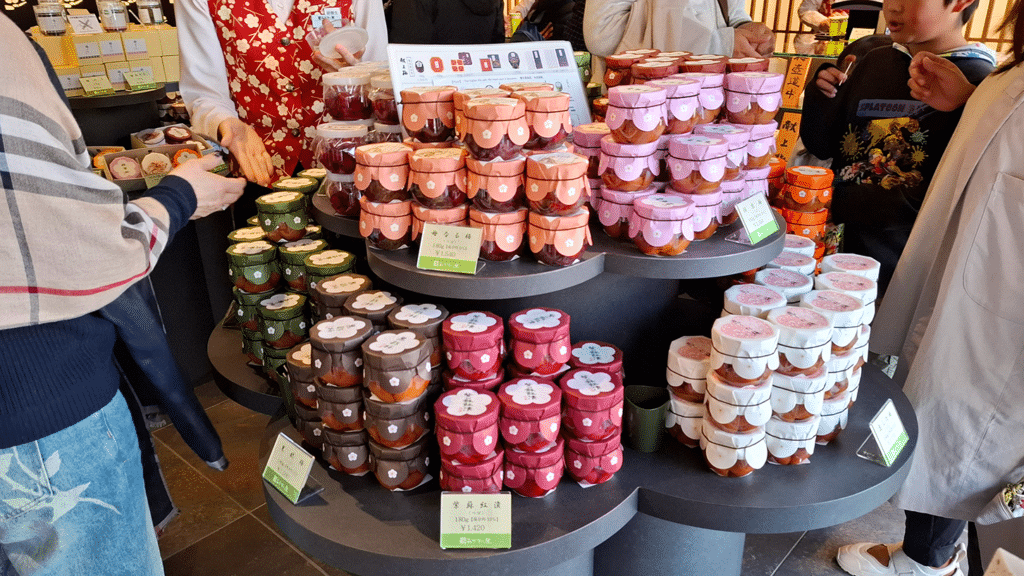
The street is lined with traditional tea houses, modern matcha cafés, and souvenir shops selling every possible matcha product you can imagine: matcha powder, variety of tea, matcha cookies, matcha soba, matcha castella, matcha chocolates, even pickles and savory items infused with tea.
Honestly, it’s hard to go wrong. Almost every shop offers high-quality products at fairly similar prices.
Matcha Experience Highlight: Masuda Chaho
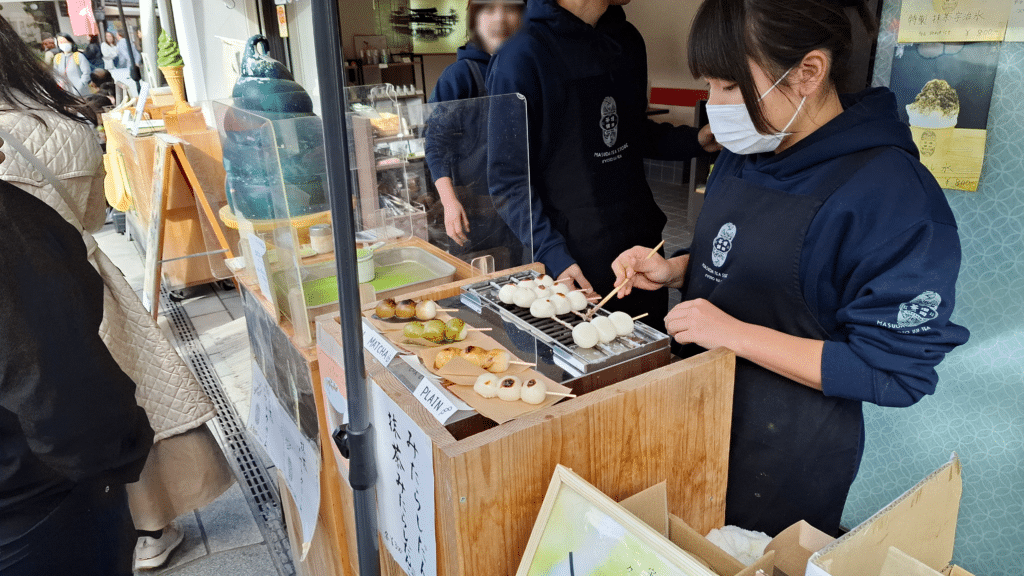
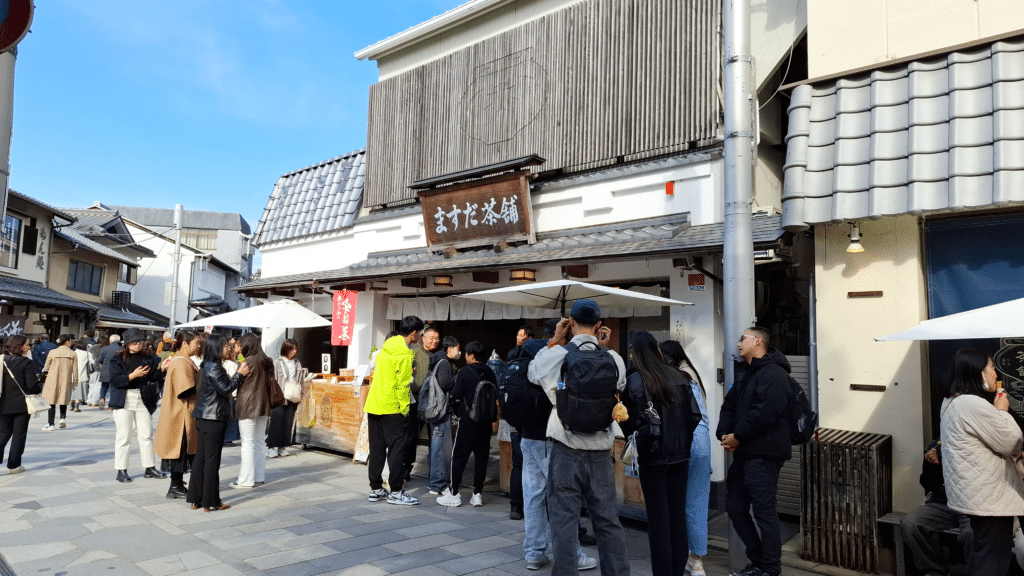
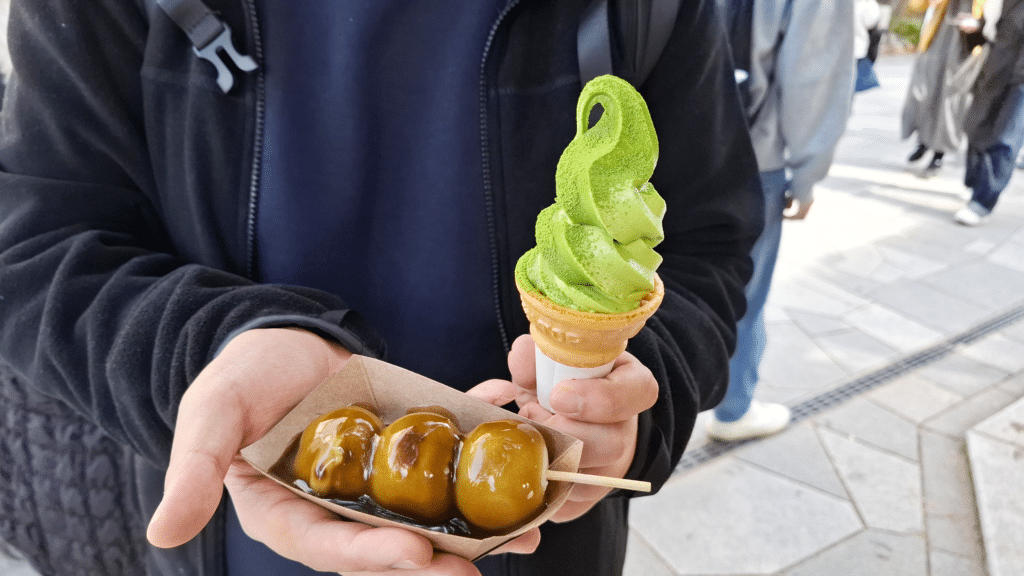
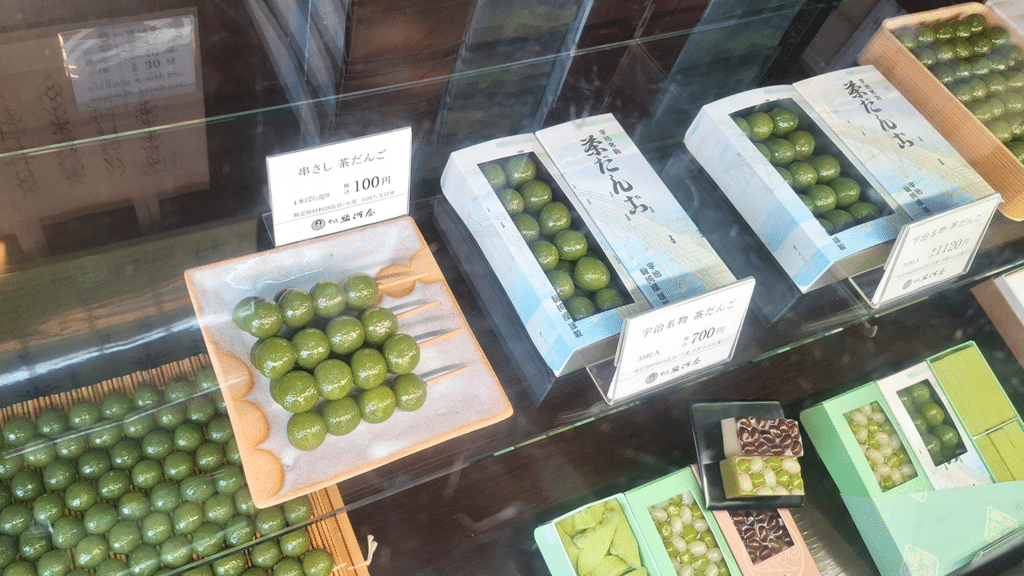
One of the most memorable stops for me was Masuda Chaho, a traditional Uji tea specialty store. Here, we tried: matcha ice cream, and matcha dango.
The taste was outstanding. The matcha flavor was deep and authentic, not overly sweet, not artificial, just pure matcha. Compared to matcha desserts we’ve had elsewhere, this one stood out for its balance and clarity of flavor.
The only regret? Because it was quite cold, we only bought one ice cream. If the weather had been warmer, we would have gone back for a second round without hesitation.
Other Matcha Souvenir Shops We Visited
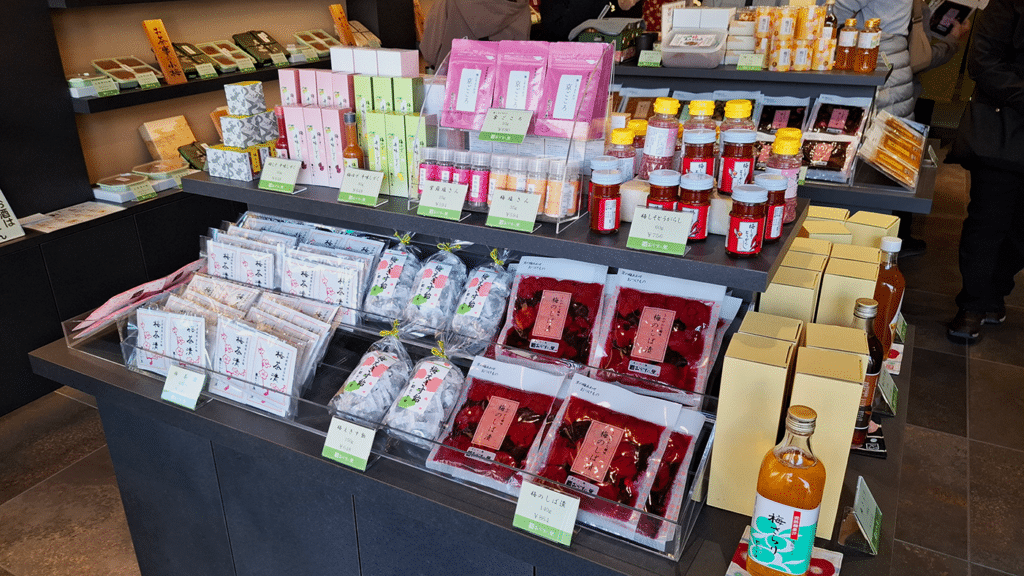
1. Itoh Kyuemon (Near Byodo-in Temple)
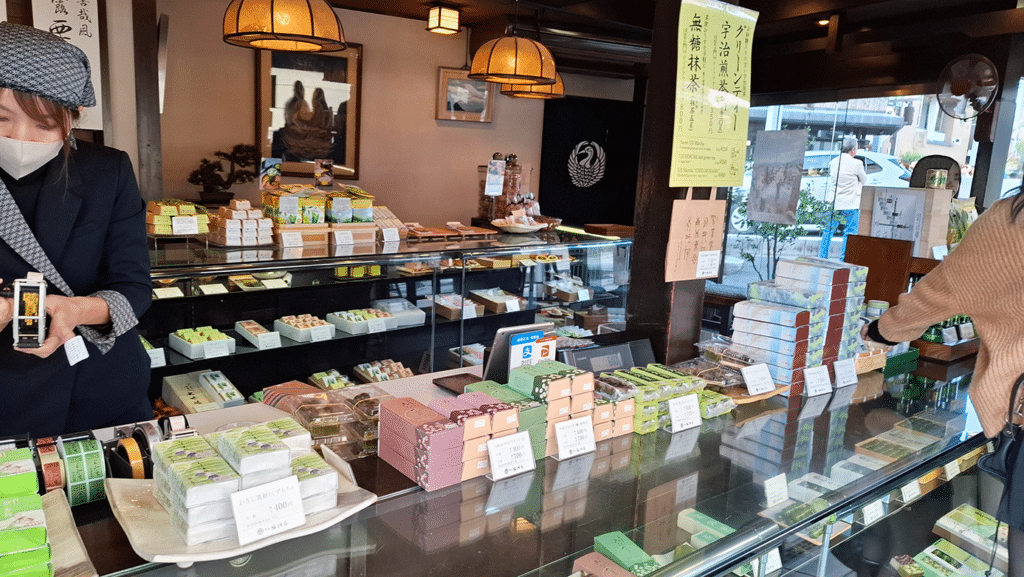
This is one of Uji’s most famous matcha brands, and for good reason. We bought: matcha cookies, matcha cheesecake, and matcha soba.
Everything felt premium, beautifully packaged, and perfect as gifts or personal treats.
2. Yamadaen Tea Stall
Here, we picked up hojicha, which was fragrant, comforting, and perfect for daily brewing. If you want something less intense than matcha but still deeply Japanese, hojicha is a great choice.
Overall, we didn’t find one single “best” shop almost every store in Uji offers excellent quality, and prices are fairly consistent. It really comes down to personal taste.
A Relaxed One-Day Itinerary in Uji
We spent a full day in Uji, and the pace felt just right.
Suggested itinerary based on my experience:
- 1. Morning arrival from Osaka via Keihan Line
- 2. Visit Byodo-in Temple
- 3. Walk along Uji River & Uji-bashi Bridge
- 4. Explore Omotesando Street
- 5. Matcha desserts & shopping
- 6. Relax, snack, and enjoy the town before heading back
Uji isn’t about rushing it’s about slowing down.
Why Uji Feels Different from Kyoto or Osaka
What makes Uji special isn’t just matcha, it’s the atmosphere. Uji feels: quieter, less commercial, more authentic. The town is beautiful without trying too hard. The matcha culture isn’t a tourist gimmick, it’s part of daily life.
If we had to describe Uji in one sentence:
a beautiful town with unforgettable desserts.
Getting to Uji from Osaka
We traveled from Osaka to Uji via the Keihan Line, and the journey took about one hour.
The ride was comfortable, we got a seat, and the scenery felt refreshingly different from Singapore: less dense, more open, more natural.
FAQ: Visiting Uji, Japan – The Matcha Town
Q1: Why is Uji famous for matcha?
A: Uji is famous for matcha because it has a long history of tea cultivation dating back to the 12th century. The region’s climate, fertile soil, and traditional shaded growing method produce high-quality tencha leaves, which are ground into premium matcha known for its deep umami and vibrant green color.
Q2: Is Uji worth visiting if I’m not a hardcore matcha fan?
A: Yes. Even if you’re not deeply into matcha, Uji is worth visiting for its peaceful atmosphere, historic sites like Byodo-in Temple, scenic river views, and relaxed small-town charm that feels very different from Kyoto or Osaka.
Q3: What is the best time to visit Uji?
A: Uji is beautiful year-round, but late autumn (November) is especially nice thanks to cooler weather and seasonal scenery. Spring and early summer are also popular, especially when tea fields are vibrant green.
Q4: How do I get to Uji from Osaka or Kyoto?
A: From Osaka, you can take the Keihan Line to Uji, which takes about one hour. From Kyoto, the JR Nara Line is another convenient option. Both routes are comfortable and easy for day trips.
Q5: Is Uji less crowded than Kyoto?
A: Yes. Compared to central Kyoto, Uji feels much quieter and less crowded. While popular spots can have visitors, the overall pace is slower and more relaxed, making it ideal for travelers who prefer calm destinations
Location
Final Thoughts: Is Uji Worth Visiting?
Absolutely!
If you love matcha, appreciate quiet towns, and enjoy meaningful travel experiences, Uji is a must-visit. It’s not flashy or overwhelming, it’s calm, flavorful, and deeply rooted in tradition. We’d easily rate my experience 8 out of 10, and we would happily return hopefully in warmer weather, so we can enjoy even more matcha ice cream.