If you’ve ever celebrated Lunar New Year in Southeast Asia, chances are you’ve seen a sticky, glossy cake that looks a lot like dodol but only shows up once a year. Many people casually call it kue keranjang, but its real name is Nian Gao (年糕), a traditional Chinese New Year cake with deep cultural meaning.
In Indonesia, Malaysia, and Singapore, Nian Gao is more commonly known as kue keranjang. It’s sweet, chewy, slightly dense, and unmistakably festive. But what exactly is this cake, why does it resemble dodol, and why is it almost exclusively associated with Chinese New Year?
Let’s break it down.
What Is Chinese Dodol?
The term “Dodol CIna” is not an official name. It’s a local description used in Southeast Asia to describe Nian Gao because of its similar texture to traditional dodol sticky, chewy, and sweet.
However, despite the resemblance, Dodol Cina and traditional dodol are not the same food.
Dodol Cina refers to Nian Gao, a glutinous rice cake that is:
- Made primarily from glutinous rice flour and sugar
- Dense, chewy, and slightly elastic
- Deeply symbolic in Chinese culture
- Traditionally prepared and consumed during Chinese New Year only
The name “Dodol Cina” exists mainly for convenience and visual comparison, especially among people unfamiliar with its cultural background.
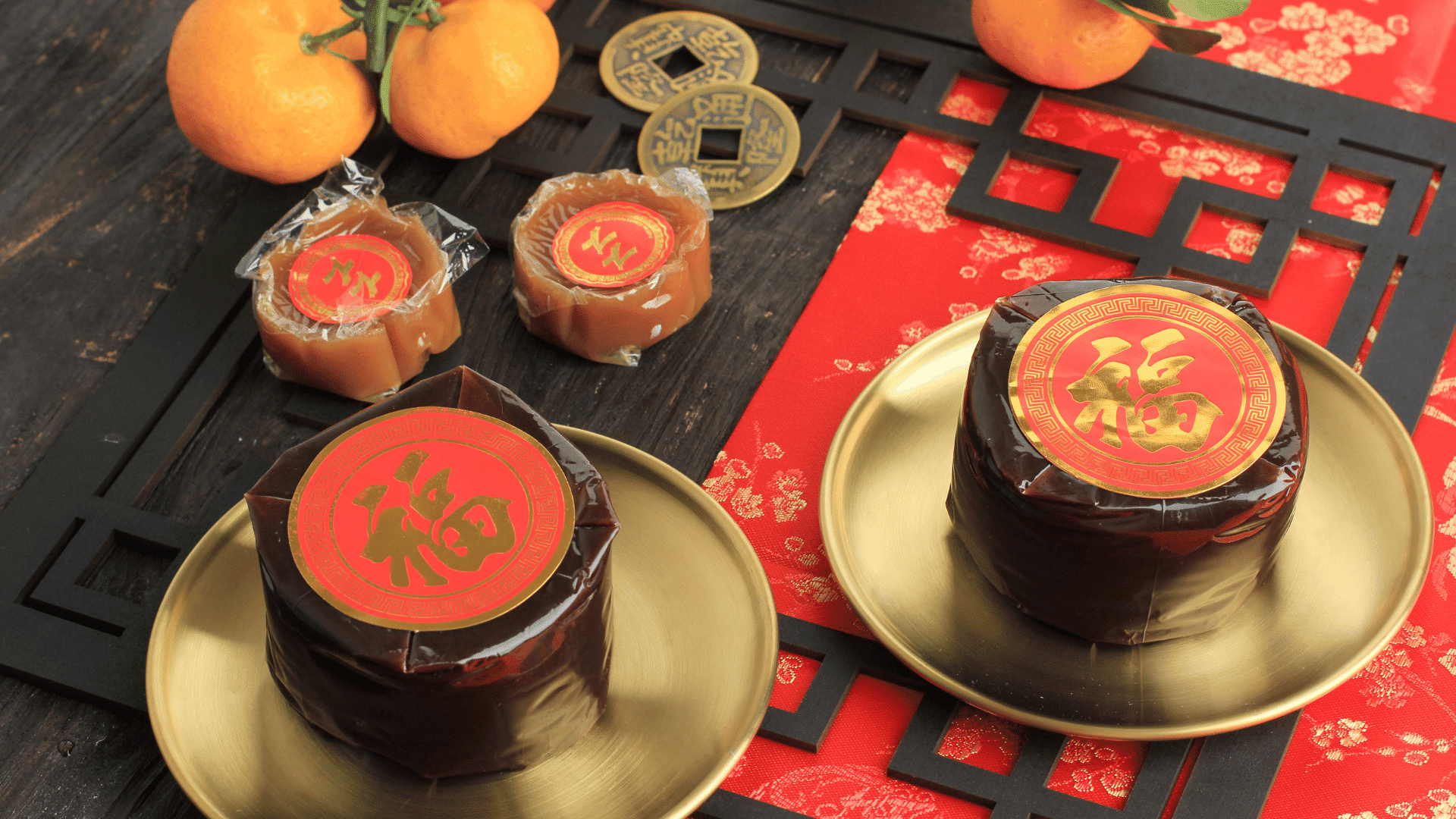
Photo by Canva
The Real Name: Nian Gao (年糕)
The correct and traditional name is Nian Gao.
In Mandarin:
- Nian (年) means “year”
- Gao (糕) means “cake”
But here’s where it gets interesting: “Gao” also sounds like 高, which means “high” or “tall.” Because of this wordplay, Nian Gao symbolizes growth, progress, and improvement year after year.
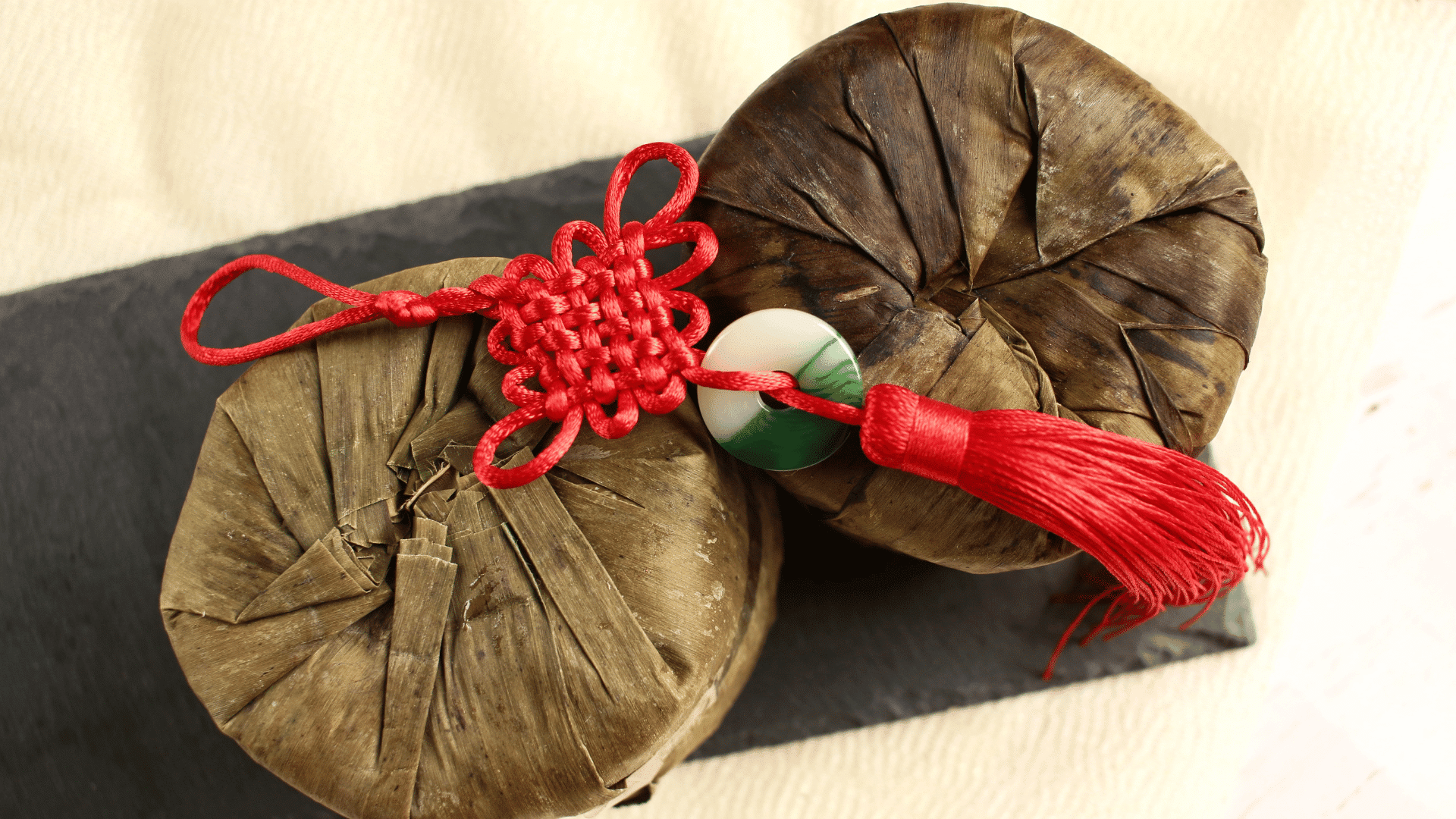
Photo by Canva
That’s why Nian Gao is more than just a dessert. It’s a symbolic food, eaten with the hope of:
- Better fortune
- Career or business growth
- Higher achievements
- A more prosperous year ahead
This symbolic meaning is the main reason why Nian Gao is inseparable from Lunar New Year celebrations.
Why Is Nian Gao Called Kue Keranjang?
In Indonesia, Nian Gao is widely known as kue keranjang, which literally means “basket cake.”
This name comes from how the cake was traditionally made and sold:
Symbolism of Yu Sheng Ingredients
- Nian Gao was molded and stored in small round bamboo baskets
- The basket shape became a defining visual identity
- Over time, people began referring to the cake by its container
“Kue keranjang” is a localized name, not a translation from Chinese, but it has become the most familiar term in Indonesia.
The Cultural Meaning of Nian Gao During Chinese New Year
Photo by Canva
Nian Gao is deeply rooted in Chinese New Year traditions, both in symbolism and ritual.
A Symbol of Rising Fortune
Because “Nian Gao” sounds like “higher every year,” eating it represents the wish for:
- 1. Financial improvement
- 2. Career advancement
- 3. Personal growth
Family Unity and Togetherness
Its sticky texture symbolizes strong family bonds and relationships that stay close and unbroken.
Offerings to Ancestors
In many households, Nian Gao is first offered during ancestral prayers before being eaten. This reflects respect, gratitude, and continuity between generations.
This symbolic weight explains why Nian Gao is not treated as an everyday snack.
Why Nian Gao Only Appears During Chinese New Year
Unlike dodol, which can be found year-round, Nian Gao is considered a seasonal and ceremonial food.
Here’s why:
- Cultural Timing
Nian Gao is tied specifically to the Lunar New Year. Making or eating it outside that context removes its symbolic purpose.
- Traditional Preparation
Traditionally, Nian Gao is labor-intensive and prepared in large batches for the New Year period only.
- Ritual Importance
In many families, Nian Gao is associated with prayers, offerings, and auspicious timing.
- Preserving Its Special Status
Limiting it to once a year keeps Nian Gao meaningful and special, rather than just another dessert.
That said, modern bakeries may sell it outside the season but culturally, its heart still belongs to Chinese New Year.
Main Ingredients and Characteristics of Nian Gao
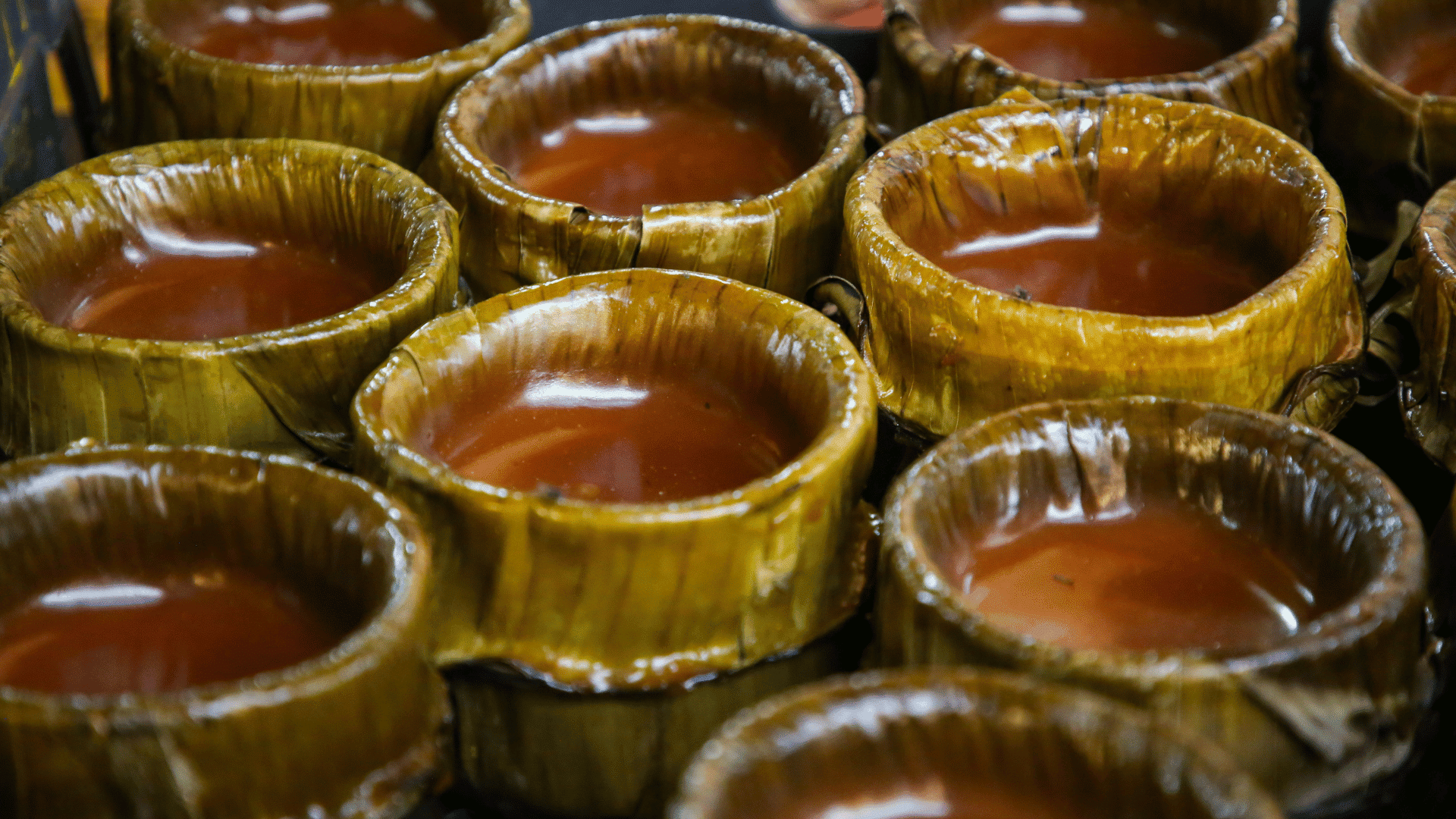
Photo by Canva
Nian Gao has a simple ingredient list, but the technique defines the final texture.
Common Ingredients
- Glutinous rice flour
- Sugar (traditionally brown sugar or rock sugar)
- Water
Texture and Flavor
- Dense and chewy
- Sticky when warm
- Mild sweetness, not overly rich
- Neutral enough to be paired with savory elements
Unlike dodol, Nian Gao does not use coconut milk, which significantly affects both flavor and aroma.
Nian Gao vs Traditional Dodol: What’s the Difference?
Although they look similar, the differences are significant.
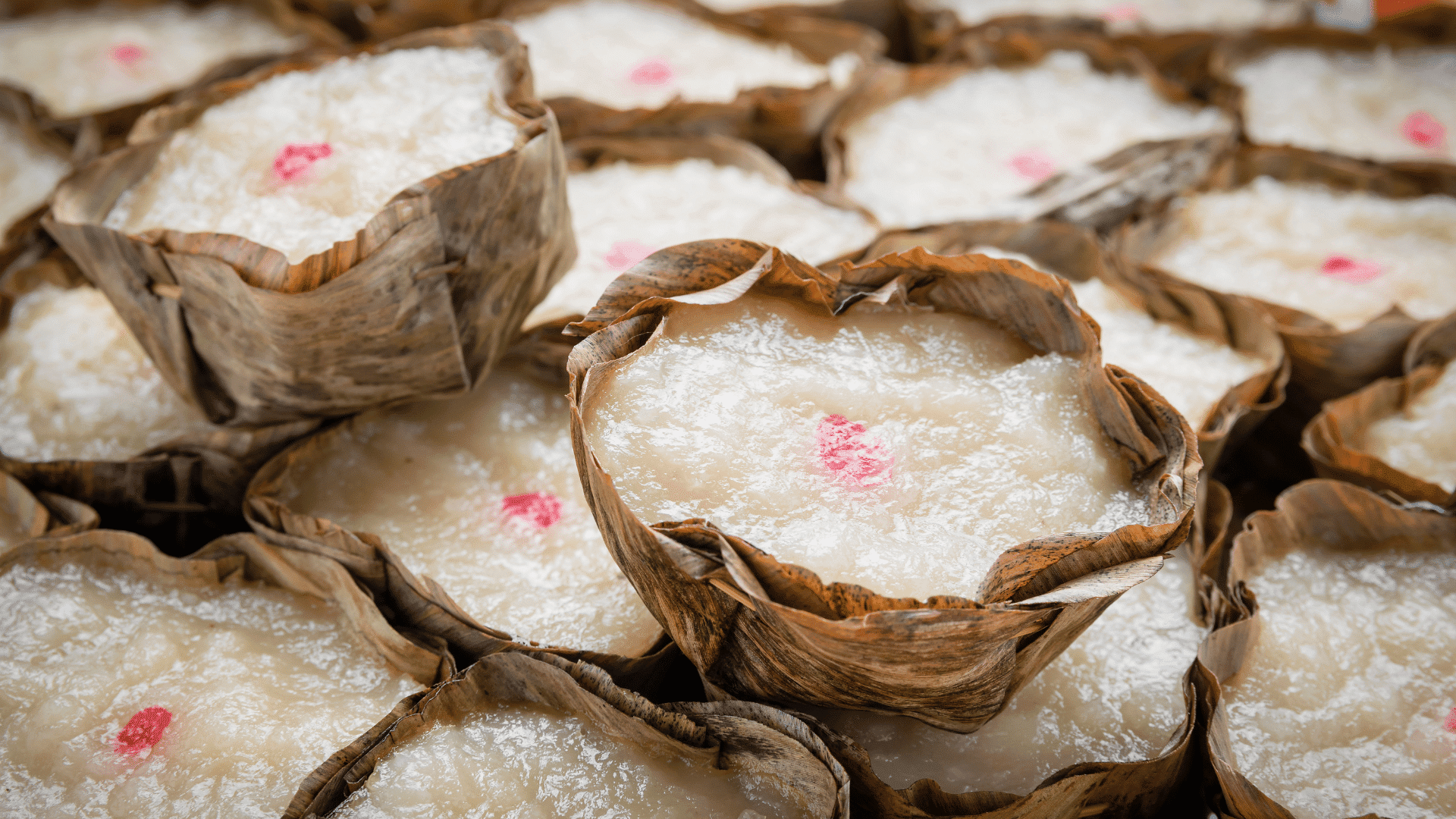
Photo by Canva
Nian Gao (Kue Keranjang):
- Made from glutinous rice flour and sugar
- No coconut milk
- Symbolic, ceremonial food
- Consumed mainly during Chinese New Year
Traditional Dodol:
- Made with coconut milk, sugar, and rice flour
- Rich, creamy flavor
- Everyday snack or festive food depending on region
- Not tied to a single cultural event
In short, Nian Gao is cultural and symbolic, while dodol is culinary and regional.
Popular Ways to Eat Nian Gao
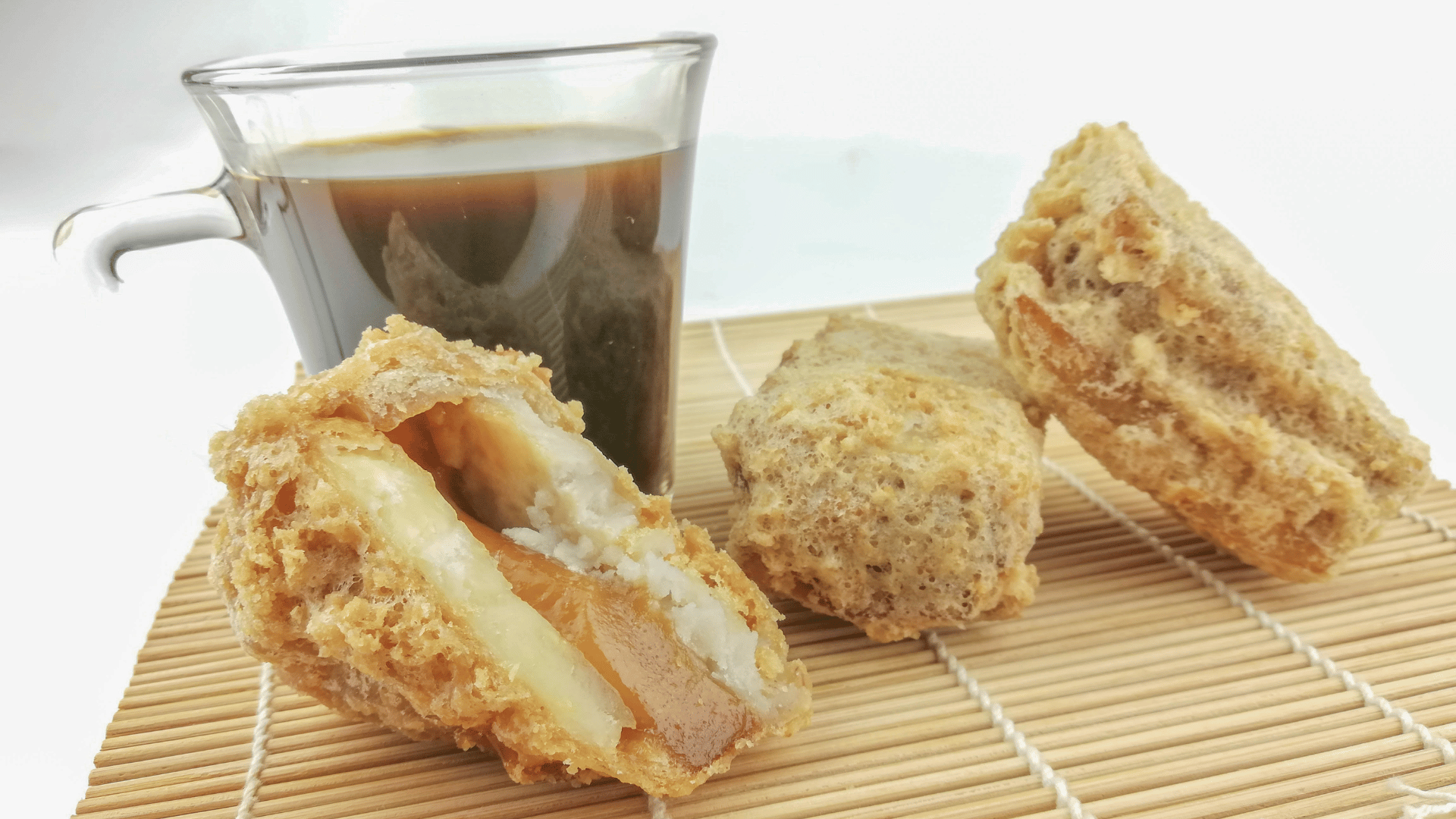
Photo by Canva
While Nian Gao can be eaten as is, many people enjoy it prepared in different ways after the New Year.
1. Pan-Fried with Egg Batter
Sliced Nian Gao dipped in egg batter and deep fried is one of the most popular methods. The outside becomes crispy while the inside stays chewy.
2. Steamed Again
Steaming softens the cake and brings back its original texture, especially after refrigeration.
3. Sweet-Savory Combinations
In some regions, Nian Gao is paired with yam, taro, or even cheese in modern adaptations.
These preparations help finish leftover Nian Gao after the festivities end.
Nian Gao Across Asia
Although Nian Gao originated in China, it has regional variations across Asia.
- China: Often steamed plain or sliced and fried
- Taiwan: Softer texture, sometimes less sweet
- Singapore & Malaysia: Popular fried versions with egg
- Indonesia: Known as kue keranjang, often darker and firmer
Each version reflects local taste preferences while preserving the same symbolic meaning.
Frequently Asked Questions About Chinese Dodol (Nian Gao)
Q1: Is Nian Gao the same as dodol?
A: No. They are different foods with different ingredients and cultural meanings.
Q2: Why is Nian Gao so sticky?
A: The stickiness comes from glutinous rice flour, symbolizing close family ties.
Q3: Can Nian Gao be eaten outside Chinese New Year?
A: Yes, but traditionally it is reserved for the Lunar New Year period.
Q4: How long does Nian Gao last?
A: It can last weeks when refrigerated and even longer when frozen.
Q5: Is Nian Gao halal?
A: Traditionally, yes since it contains no alcohol or animal-derived ingredients, but always check commercial versions.
Final Thoughts
So, what people often call Kue Keranjang is actually Nian Gao, a traditional Chinese New Year cake rich in symbolism, history, and cultural meaning. Known locally as kue keranjang, this chewy, sweet cake represents growth, unity, and hope for a better year ahead.
Its once-a-year appearance is exactly what makes it special. Nian Gao isn’t just about taste, it’s about tradition, timing, and the shared optimism that comes with welcoming a new year.