When it comes to food safety at home, most people focus on fresh ingredients, clean knives, and proper cooking temperatures. But there’s one tool that quietly plays a huge role in kitchen hygiene: the cutting board. The debate around wood vs plastic cutting board has been going on for years, especially when it comes to one main question: which one is more hygienic?
Let’s break it down properly, based on how bacteria behave, how materials respond to moisture, and what research actually says.
Why Cutting Board Hygiene Really Matters
Every time you slice raw chicken, chop vegetables, or portion beef, your cutting board becomes a contact surface for bacteria. If not cleaned correctly, that surface can contribute to cross-contamination and the transfer of harmful microorganisms from one food to another.
Pathogens commonly associated with raw meat include: Salmonella, E. coli, Campylobacter, Listeria. If a contaminated board is later used for ready-to-eat food like fruits or cooked meat, the risk increases significantly.
This is why choosing the right material and maintaining it correctly matters more than aesthetics.
Wooden Cutting Boards: How Hygienic Are They?
Wood cutting boards often get labeled as “less hygienic” simply because they’re porous. However, the science behind wood is more nuanced than that assumption.
The Structure of Wood Fibers
Wood is a natural material made of tightly packed fibers. When moisture and bacteria land on the surface, the board can absorb small amounts of liquid into its structure. At first glance, this sounds dangerous but here is the interesting part.
Several microbiological studies have found that certain hardwoods (like maple and beech) have natural antibacterial properties. The structure of the wood fibers can trap bacteria below the surface, where they eventually die rather than multiply. In controlled experiments, bacteria introduced to wooden boards declined faster than on plastic surfaces under certain conditions.
In short: absorption does not automatically mean contamination risk.
Advantages of Wooden Cutting Boards
- Gentle on knife edges
- Durable when properly maintained
- Less prone to deep surface gouges
- Natural aesthetic appeal
Because wood has some “self-healing” qualities (fibers close slightly after cutting), it may not develop as many permanent grooves as plastic over time.
Drawbacks of Wooden Cutting Boards
- Cannot go into the dishwasher
- Requires regular oiling
- Can crack if soaked or dried improperly
- Heavier and typically more expensive
Improper maintenance is where most hygiene issues begin. If a wooden board is left damp or not dried fully, mold or warping can occur.
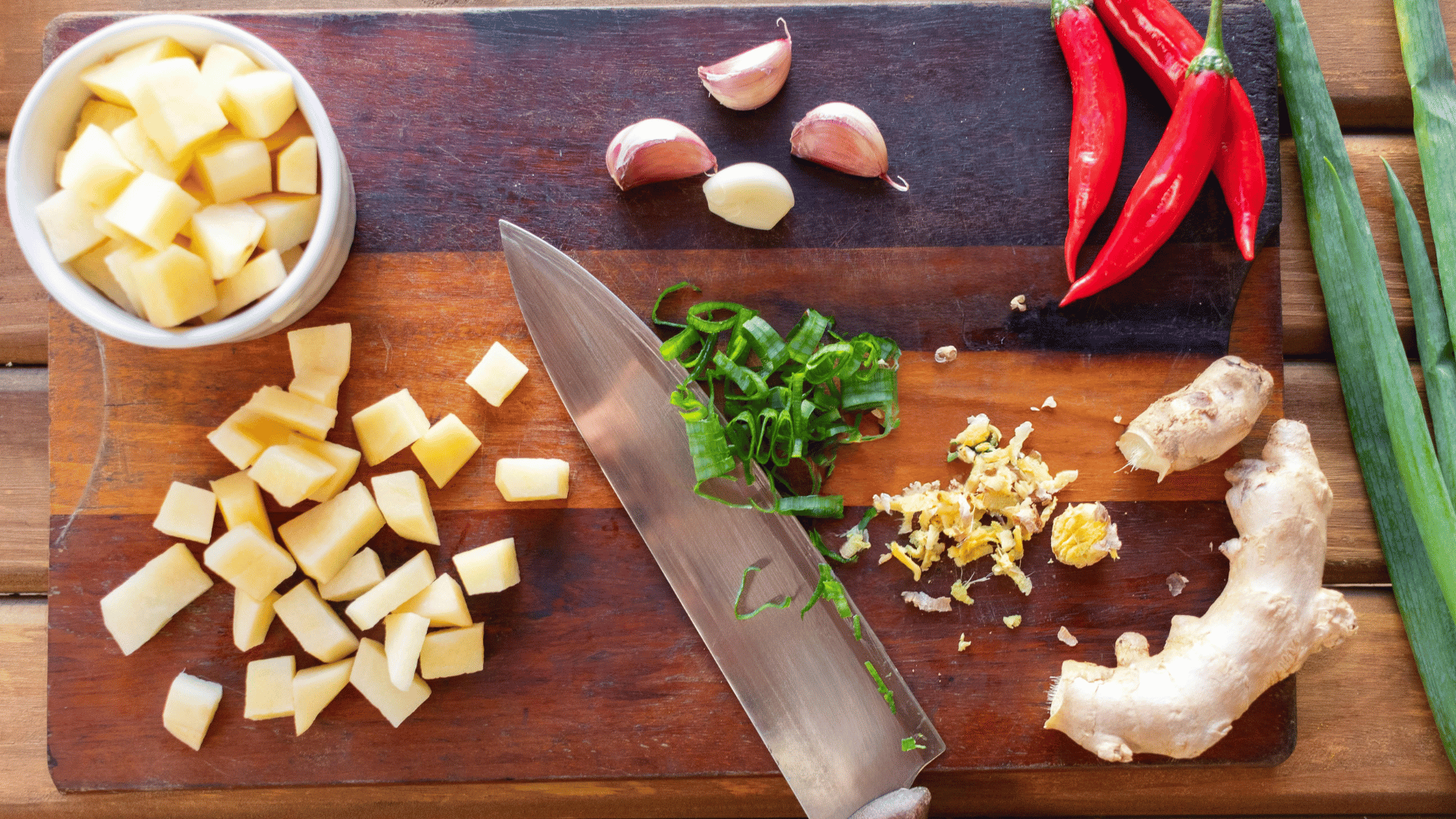
This image is provided by Foodiez team
Plastic Cutting Boards: Are They More Hygienic?
Plastic cutting boards are widely used in commercial kitchens and food service operations. One reason is regulatory compliance: they are easy to sanitize at high temperatures.
Non-Porous Surface
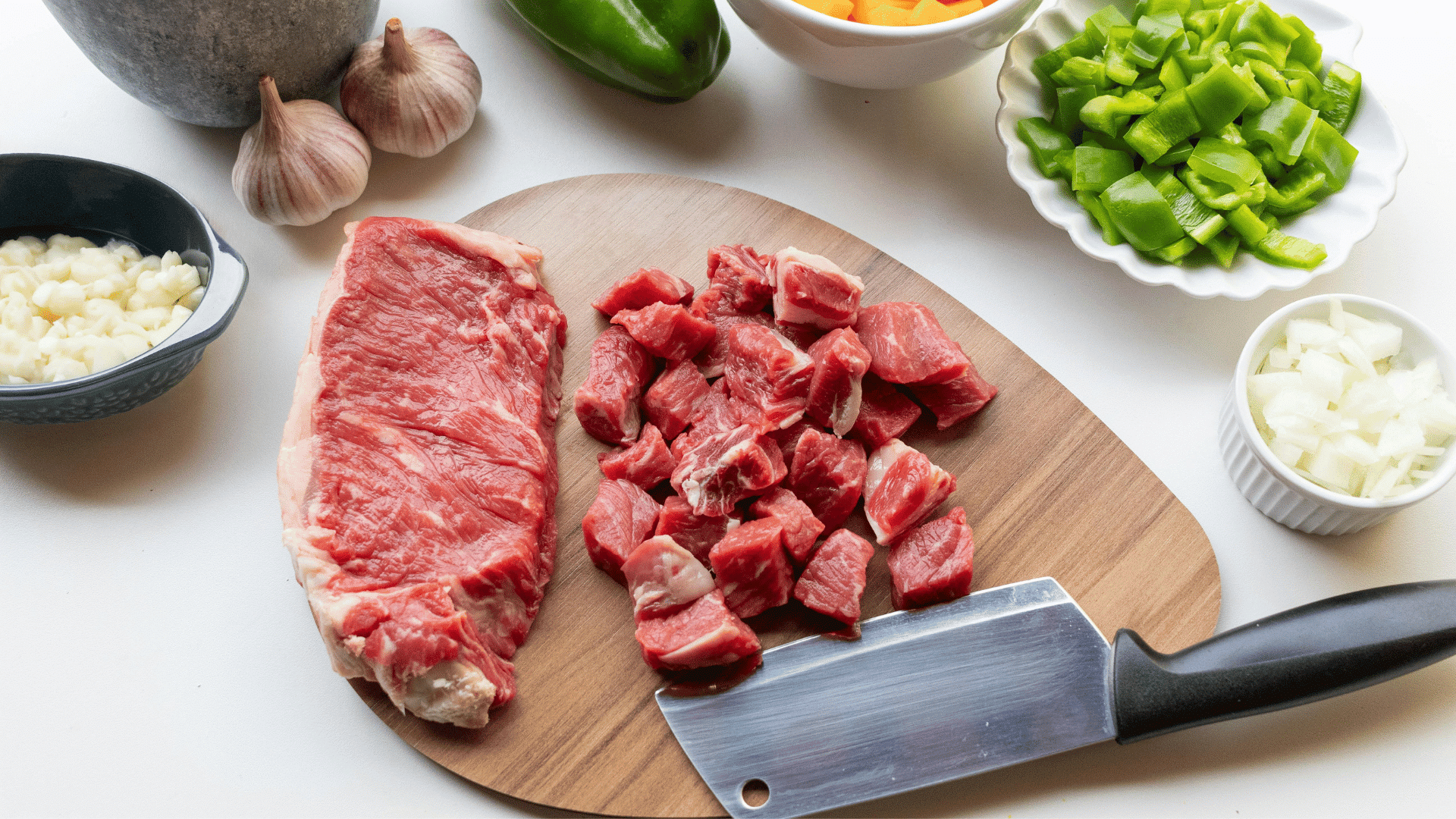
Plastic is non-porous, meaning it does not absorb liquids. This makes it easy to wash thoroughly with hot water, soap, or even in a dishwasher. On the surface, that seems like a clear hygiene advantage. However, plastic has its own issue: knife scars.
The Problem with Surface Grooves
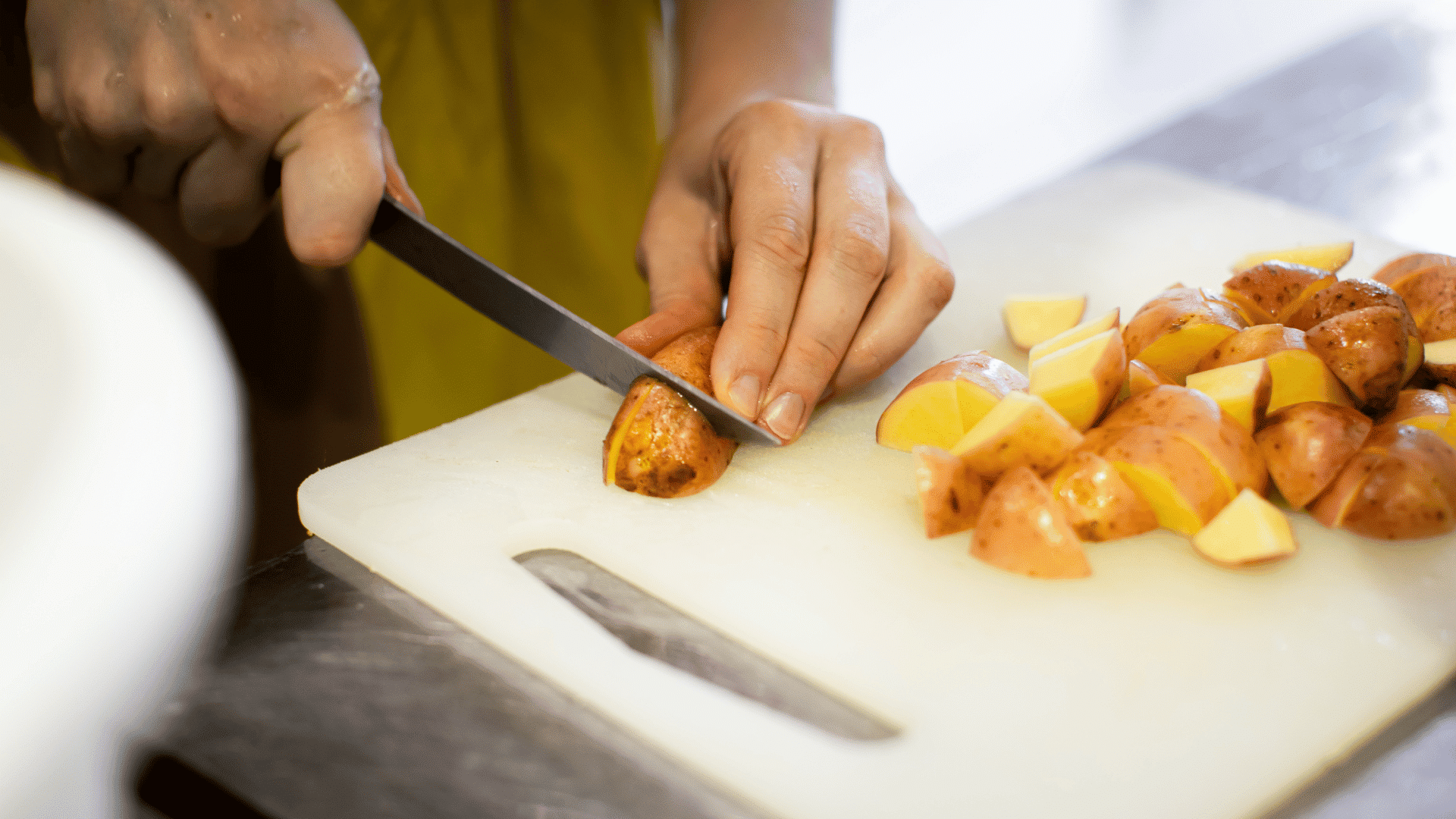
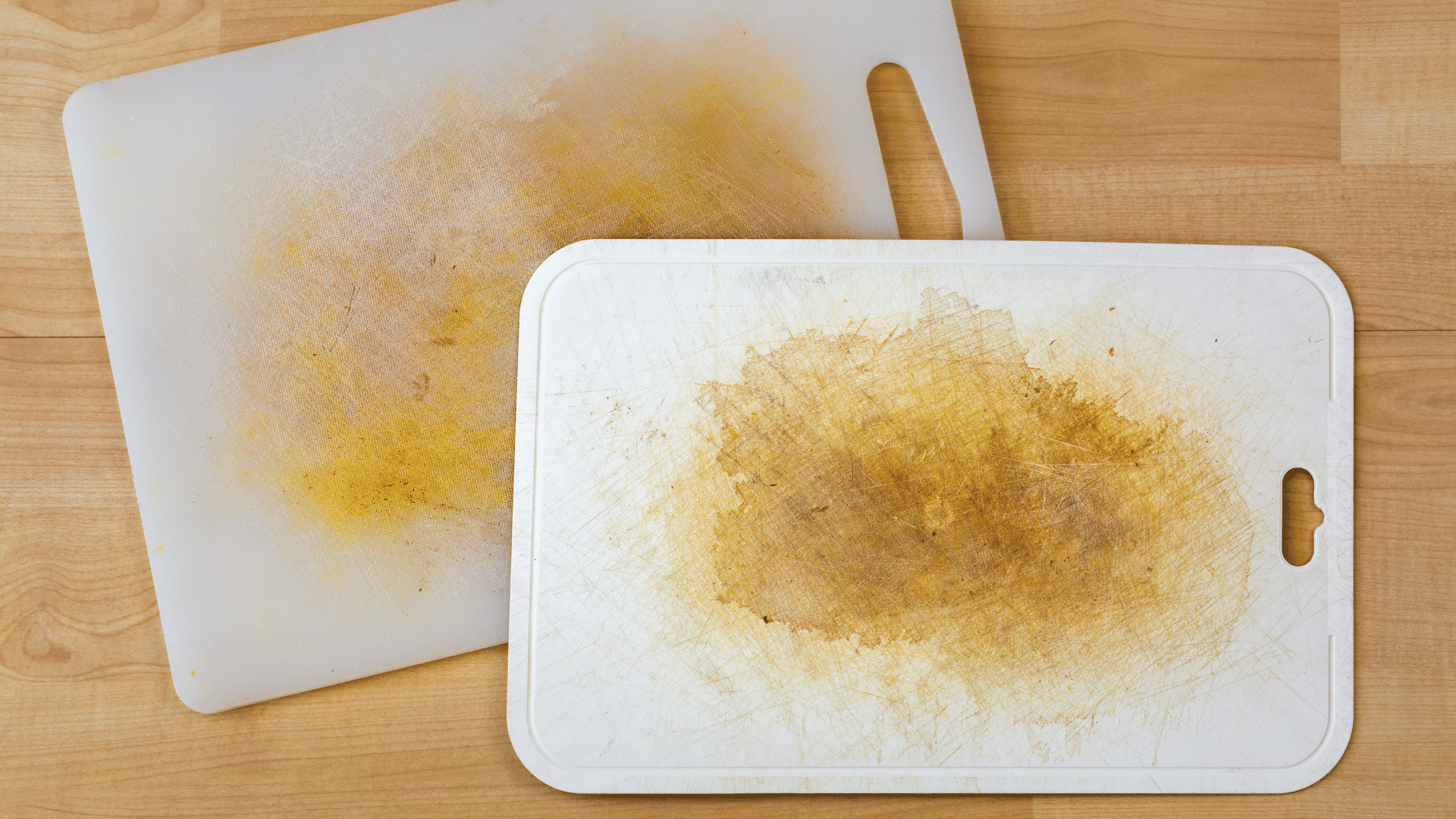
Every time a knife cuts into plastic, it leaves small grooves. Over time, these grooves become deeper and harder to clean. Bacteria can settle inside these micro-cuts and remain protected from surface washing. Unlike wood fibers that may close slightly, plastic grooves remain permanently open.
Advantages of Plastic Cutting Boards
- Dishwasher-safe
- Lightweight
- Affordable
- Available in color-coded systems (red for meat, green for vegetables, etc.)
Drawbacks of Plastic Cutting Boards
- Develop deep knife marks
- May require more frequent replacement
- Potential concern over microplastic shedding
Once a plastic board becomes heavily scored, sanitation becomes less reliable.
This image is provided by Foodiez team
What Does Research Say: Wood or Plastic?
Several studies comparing wood and plastic cutting boards have produced interesting results:
- In controlled lab settings, bacteria introduced onto wooden boards often decreased more rapidly than on plastic.
- On plastic boards with heavy knife scarring, bacteria survived longer.
- Proper washing and drying significantly reduced contamination on both materials.
The key takeaway: maintenance and cleaning practices often matter more than the material itself.
If both boards are cleaned immediately with hot soapy water and dried properly, the difference in hygiene risk becomes minimal.
Which Cutting Board Is Better for Raw Meat?
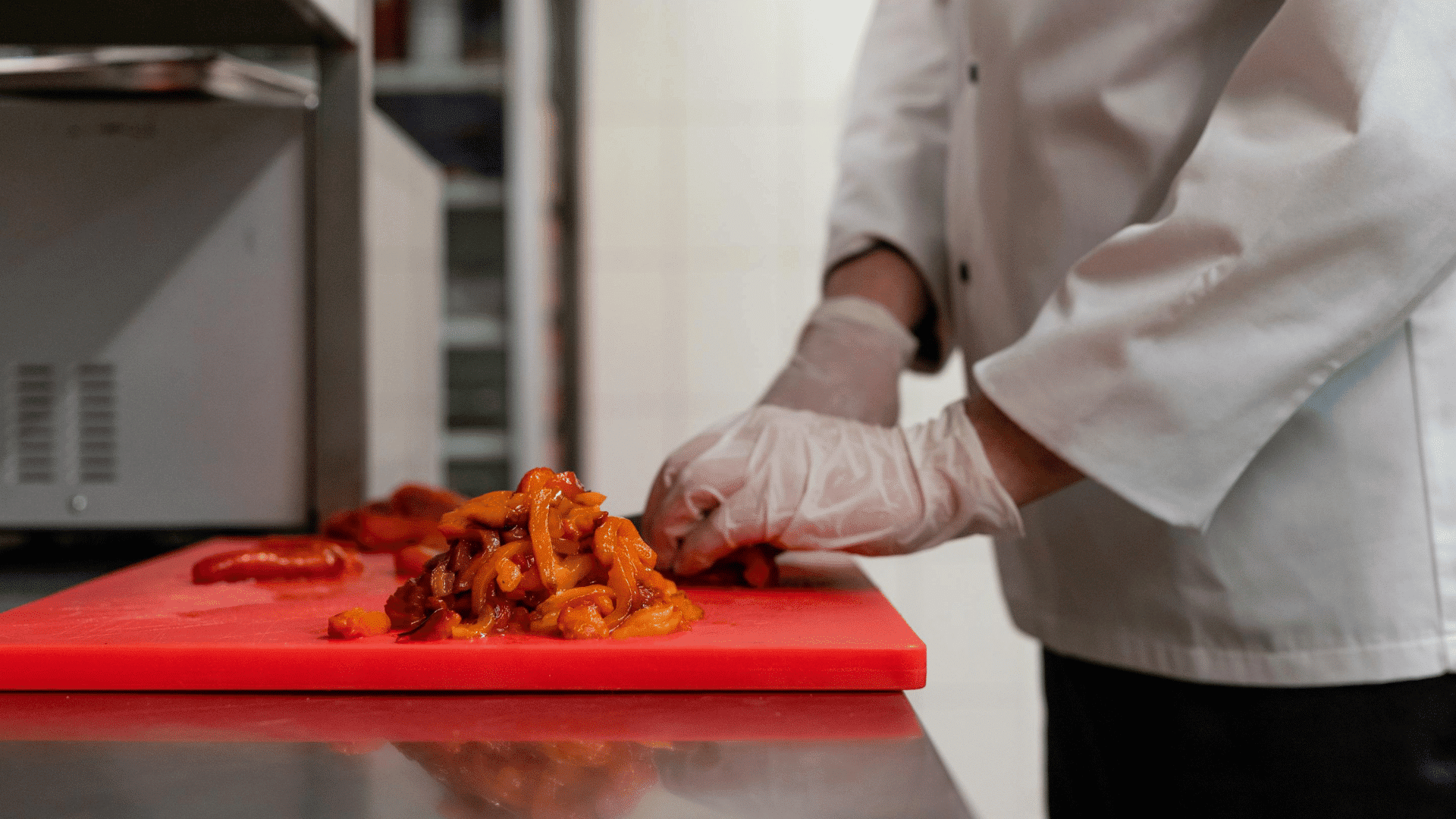
Raw meat carries the highest contamination risk. For this reason, many food safety experts recommend:
This image is provided by Foodiez team
- Using a dedicated cutting board for raw meat
- Washing immediately after use
- Avoiding cross-use with ready-to-eat foods
Plastic boards are often preferred for raw meat because they can be placed in a dishwasher at high temperatures. However, they should be replaced once grooves become deep and visible.
Wood boards can also be used safely for meat if they are properly cleaned and thoroughly dried. Hardwood varieties are recommended over softwood.
How to Keep Any Cutting Board Hygienic
Regardless of material, hygiene depends on routine.
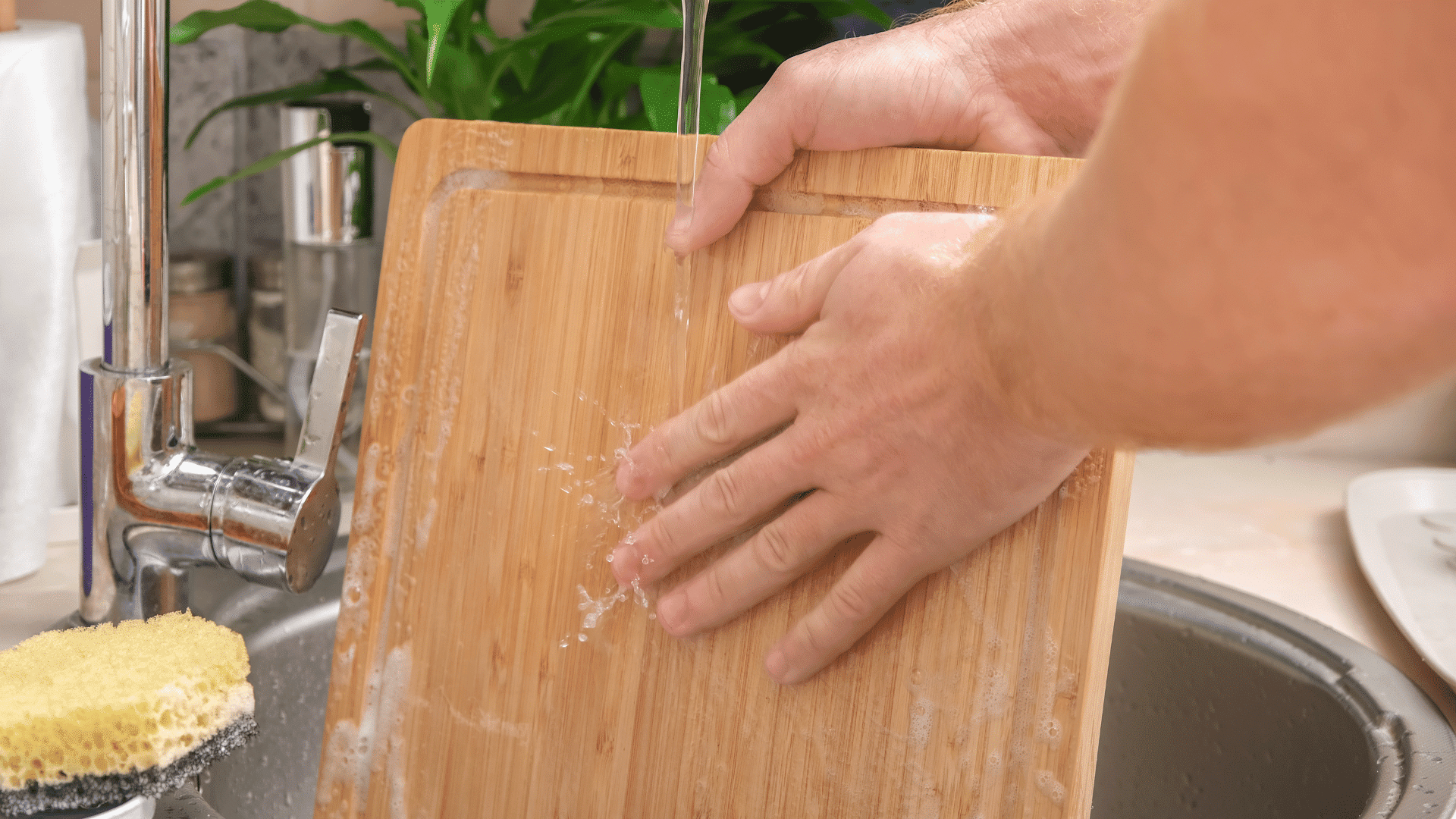
1. Wash Immediately After Use
Use hot water and dish soap. Scrub thoroughly, especially around knife marks.
2. Sanitize When Needed
For extra sanitation (especially after raw poultry):
- Use diluted white vinegar
- Or a mild bleach solution (food-safe concentration)
Rinse and dry completely.
4. Avoid Cross-Contamination
Use separate boards for:
- Raw meat
- Vegetables
- Cooked foods
This image is provided by Foodiez team
5. Replace When Necessary
Replace plastic boards with heavy scarring. Replace wooden boards if they crack, warp, or develop deep splits.
So, Which Cutting Board Is More Hygienic?
There is no absolute winner.
This image is provided by Foodiez team
Wood cutting boards:
- Can be very hygienic when properly maintained
- Have natural antibacterial behavior in hardwood varieties
- Require more care
Plastic cutting boards:
- Easier to sanitize with high heat
- More practical for raw meat handling
- Must be replaced more frequently due to grooves
For most home kitchens, the most practical solution is:
- Use a plastic board specifically for raw meat
- Use a wooden board for vegetables, bread, and general prep
Hygiene ultimately depends less on the material and more on how consistently the board is cleaned, dried, and replaced.
Final Thoughts
The question of “wood vs plastic cutting board: which is more hygienic?” does not have a simple yes-or-no answer. Both materials can be safe when handled correctly, and both can become unsafe when neglected.
If food safety is your priority, focus on:
- Immediate washing
- Thorough drying
- Avoiding cross-contamination
- Replacing worn boards
In the end, smart kitchen habits matter more than the material itself
References (Scientific Sources)
Cliver, D. O., & Ak, K. (1994). Wooden and plastic cutting boards: Potential for cross-contamination of foodborne pathogens. Journal of Food Protection, 57(1), 16–22. https://doi.org/10.4315/0362-028X-57.1.16
Ak, K., Cliver, D. O., & Kaspar, C. W. (1994). Decontamination of plastic and wooden cutting boards for kitchen use. Journal of Food Protection, 57(1), 23–30. https://doi.org/10.4315/0362-028X-57.1.23
Nese, G., Akbulut, N., & Yildirim, B. (2017). Survival of Escherichia coli on wooden and plastic cutting board surfaces. Food Control, 73, 259–264. https://doi.org/10.1016/j.foodcont.2016.08.015