
Tangy, Creamy, and Timeless: The Story Behind Yogurt 🥛
There’s something so satisfying about a spoonful of cold, creamy yogurt that tangy, rich texture that hits just right, whether buf has it plain, with honey drizzle, or topped with fruits and crunchy granola. Yogurt feels like comfort and freshness in one bowl. But have buf ever wondered where this magical food came from, or how it ended up being the go-to breakfast and snack for health lovers around the world?
Let’s take a little foodie journey together, buf from ancient herders in Central Asia to that tub of yogurt sitting in buf fridge today.
The Accidental Beginning 🌍
Yogurt’s story starts thousands of years ago, more than 7,000 years, to be exact. Somewhere in the wide-open steppes of Central Asia, nomadic herders carried milk in animal-skin bags as they traveled under the hot sun. Without realizing it, the warmth and natural bacteria in the milk caused fermentation.
When they opened the bags later, the milk wasn’t just spoiled, it had transformed into a thick, tangy, and creamy substance that not only tasted surprisingly good but also lasted longer than fresh milk. That was the birth of yogurt.
The word “yogurt” actually comes from the Turkish word “yoğurmak,” meaning “to thicken” or “to knead.” Ancient Turks were among the first to embrace this “accidental invention,” and it quickly spread across the Middle East, then to Europe through the Ottoman Empire.
By the early 1900s, yogurt had already made its way into Western diets, thanks to scientists who studied its probiotic benefits, especially a Bulgarian researcher named Stamen Grigorov, who discovered Lactobacillus bulgaricus, one of the key bacteria behind yogurt fermentation.
So, buf can thank a mix of nomadic ingenuity and friendly bacteria for buf breakfast bowl.
The Many Faces of Yogurt 🥣
Walk down any supermarket aisle and buf will see just how far yogurt has evolved. From traditional plain yogurt to high-protein Greek, to trendy non-dairy alternatives yogurt has become a whole universe of its own.
Let’s meet a few of its most popular personalities:
1. Plain Yogurt — The Classic Starter🥛
This is the OG yogurt with just milk and live bacterial cultures (Lactobacillus bulgaricus and Streptococcus thermophilus). It’s tangy, smooth, and lightly sour. Perfect on its own or as a base for savory sauces, salad dressings, or dips.
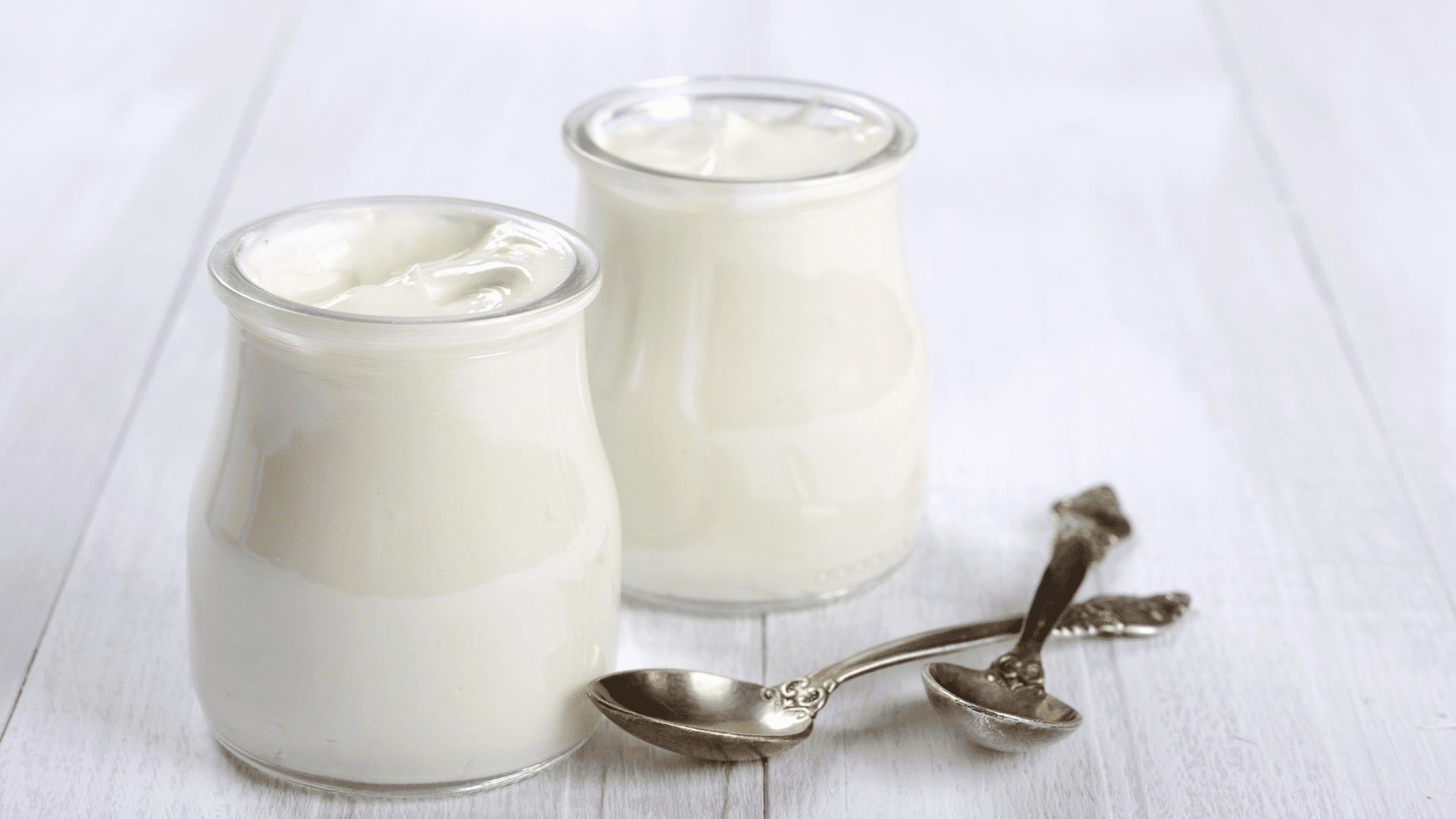
Photo by Canva
2. Greek Yogurt — Thick, Creamy, and Protein-Packed 🍯
Greek yogurt is made by straining out the whey, leaving behind a thicker texture that’s creamy and rich. It’s a favorite for those who love a filling snack or a post-workout boost. Bonus: it’s higher in protein and lower in carbs.

Photo by biggerbolderbaking.com
3. Flavored Yogurt — Sweet, Fruity, and Fun 🍓
If buf’s taste buds lean towards sweet, flavored yogurt is probably buf’s go-to. Whether it’s strawberry, mango, or vanilla bean, these yogurts are perfect for dessert vibes. Just a small tip goes easy on the ones high in added sugar.
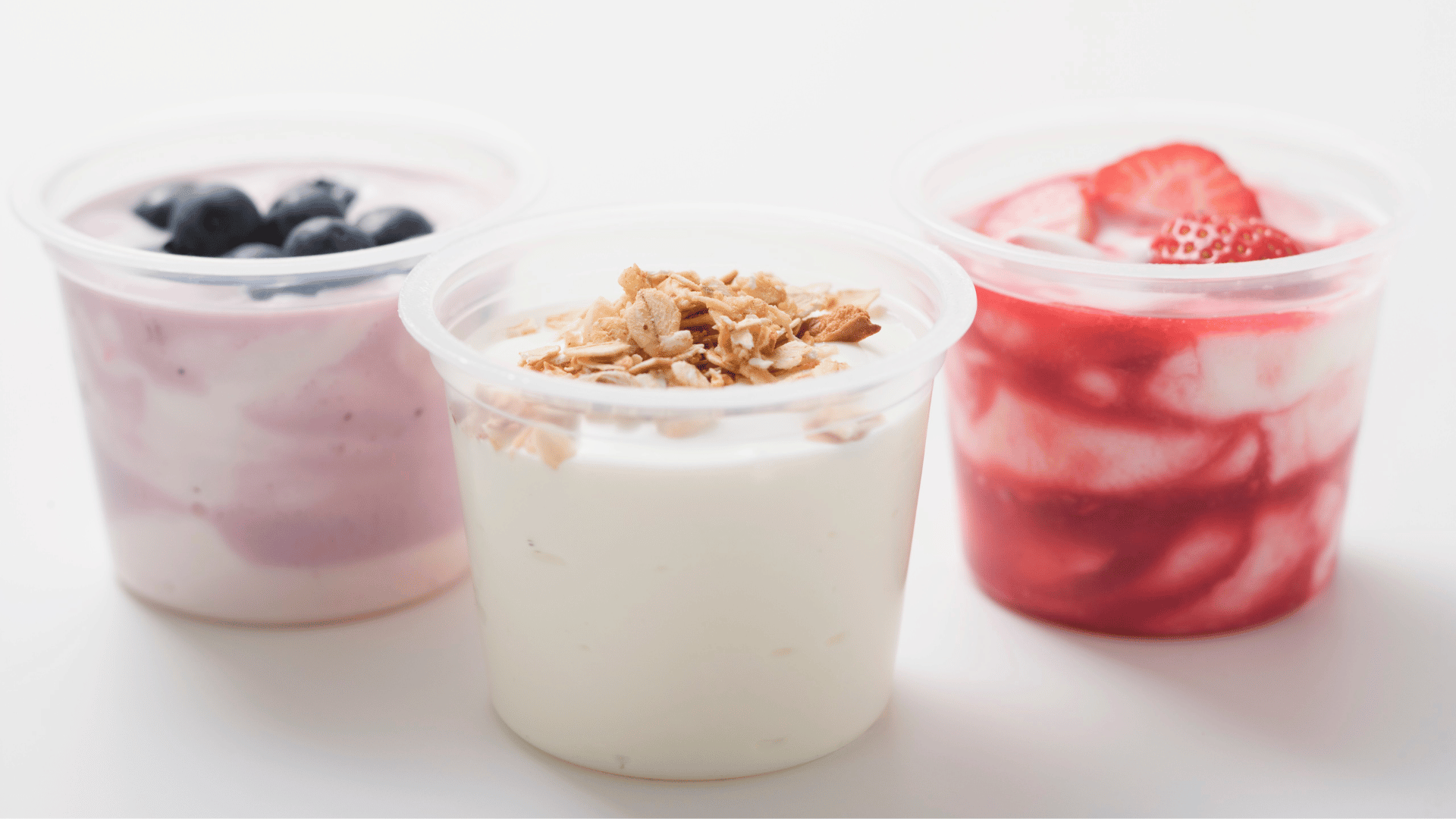
Photo by Canva
4. Plant-Based Yogurt — For the Dairy-Free Crowd 🌿
From coconut to almond to oat milk, plant-based yogurts are stealing the spotlight. They’re creamy, vegan-friendly, and often enriched with probiotics to mimic the benefits of dairy yogurt.

Photo by luvele.es
5. Skyr — The Icelandic Cousin 🧈
Technically a cheese, but eaten like yogurt. Skyr is thick, smooth, and super high in protein. It’s Iceland’s best-kept secret that’s now a global breakfast favorite.
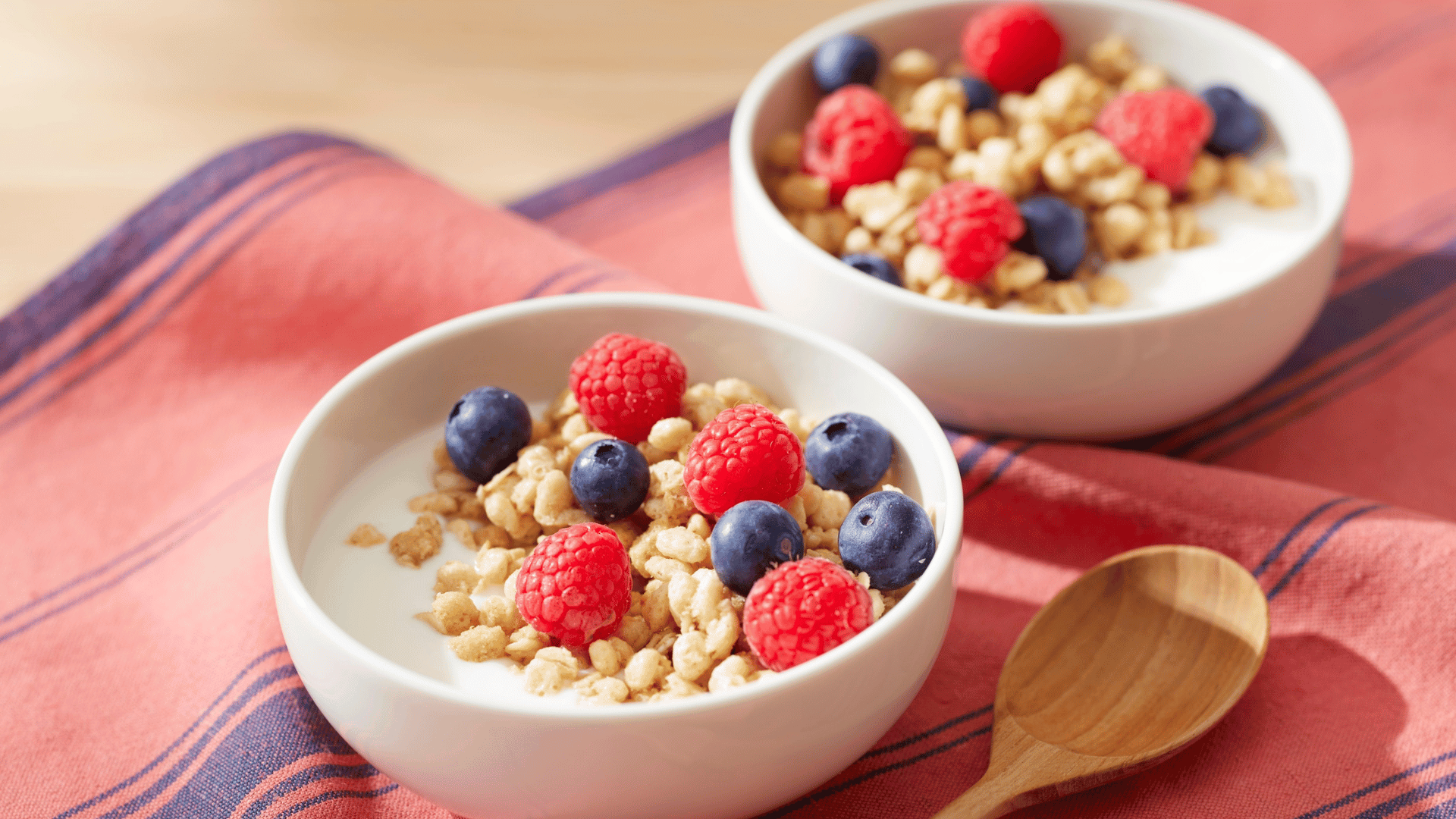
Photo by Canva
6. Frozen Yogurt — Dessert Meets Health 🧊
And of course, there’s froyo, the sweet, swirly frozen version that feels like ice cream’s healthier sibling. Perfect for buf movie nights or those sunny days when buf just need something cold and light.
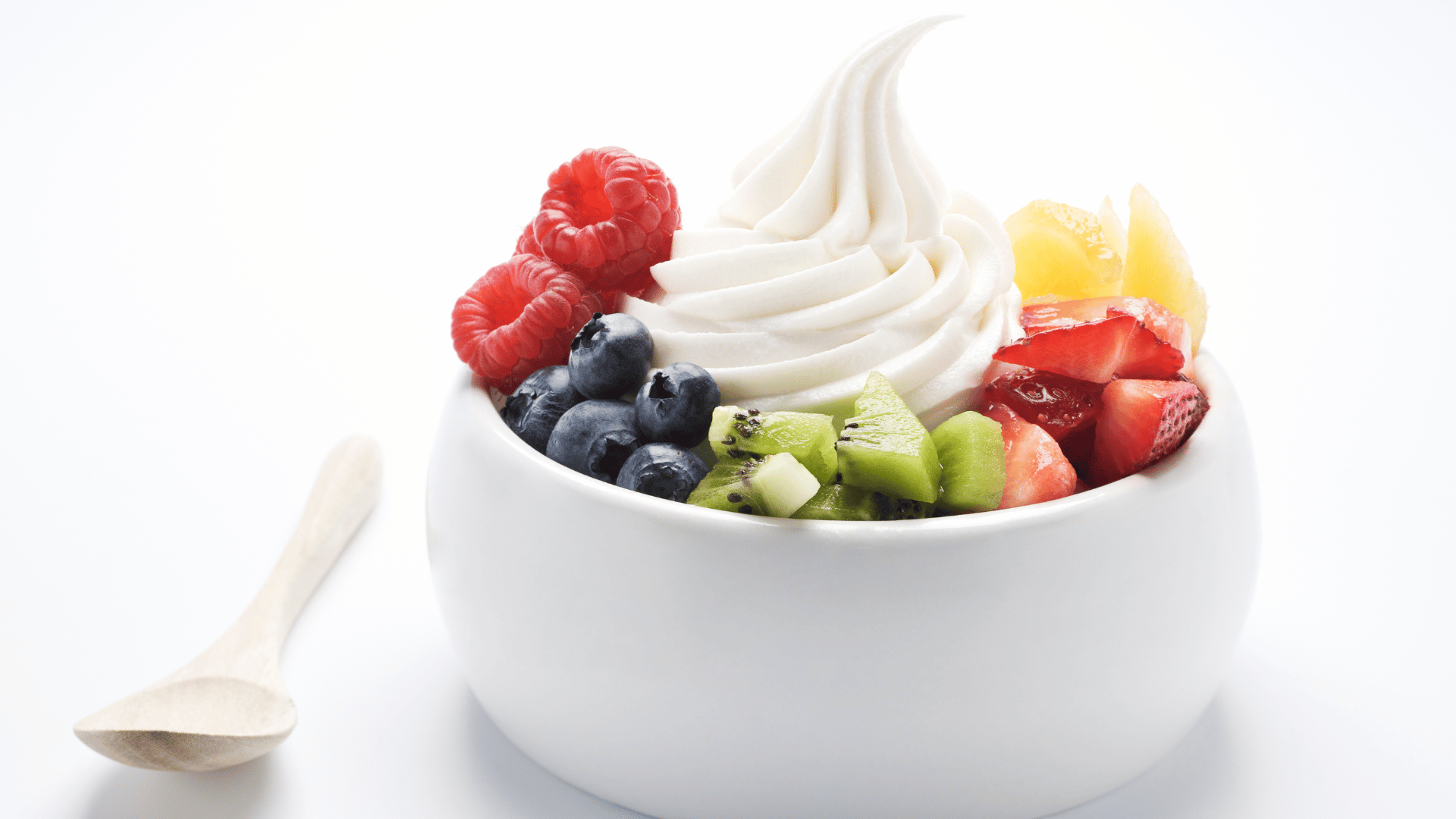
Photo by Canva
Why Yogurt Deserves a Spot in Buf’s Fridge 💪
Beyond its versatility and taste, yogurt is a legit nutritional powerhouse. Let’s break down why buf’s gut (and body) love it so much.
1. Gut Health Guardian
The probiotics in yogurt, especially Lactobacillus and Bifidobacterium help maintain a healthy gut microbiome. They balance good and bad bacteria, improving digestion and reducing bloating.
2. Strong Bones, Happy Smile
Yogurt is rich in calcium, which supports bone density and dental health. It’s also a good source of vitamin D, especially in fortified versions.
3. Immune System Support
Since a large part of buf immune system is connected to the gut, eating probiotic-rich foods like yogurt can help strengthen buf’s defenses against infections.
4. Heart-Friendly Choice
Low-fat or non-fat yogurt may help lower cholesterol levels, supporting cardiovascular health.
5. Keeps Buf Feeling Full
The protein in Greek or Skyr yogurt helps buf feel full longer, making it a great snack for those watching their appetite or trying to maintain weight.
6. Skin Glow from Within
Some people even use yogurt topically as a mask. The lactic acid helps exfoliate, moisturize, and brighten the skin. But even eaten regularly, it can promote clearer, healthier skin by balancing gut bacteria.
How to Enjoy Yogurt Like a Foodie 🍽️
Yogurt is one of those foods that can be dressed up or down depending on buf mood. Here are a few easy ideas:
- Breakfast Bowl – Greek yogurt + honey + sliced bananas + chia seeds = happiness.
- Savory Dip – Mix plain yogurt with garlic, lemon juice, and herbs for a quick tzatziki-style dip.
- Smoothie Base – Yogurt adds creaminess and probiotics to buf’s morning smoothie.
- Baking Substitute – Replace sour cream or butter in cakes and muffins with yogurt for a lighter twist.Baking Substitute – Replace sour cream or butter in cakes and muffins with yogurt for a lighter twist.
- Frozen Treats – Blend yogurt with berries and freeze into popsicles. Perfect for a tropical day.
Fun Facts to Impress at Brunch 🤩
- Yogurt is alive! Those “live and active cultures” on the label? Yep they’re real, beneficial bacteria.
- Yogurt lasts longer than milk, thanks to fermentation.Yogurt lasts longer than milk, thanks to fermentation.
- Not just from cows, goats, sheep, buffalo, even camel milk are used around the world.
- Every culture has its own yogurt version: Lassi in India, Labneh in Lebanon, Ayran in Turkey, and Yakult in Japan.
- Frozen yogurt became a worldwide craze in the 1980s and it’s still going strong.
If buf ever doubted that healthy food could also be delicious, yogurt proves it wrong every time. From ancient herders to modern breakfast bowls, it’s been centuries of creamy goodness and it’s definitely not leaving buf’s fridge anytime soon.
More question about Yogurt (FAQ)
Q1: Is yogurt good for lactose-intolerant people?
A: Some lactose-intolerant individuals can still enjoy yogurt because fermentation breaks down much of the lactose. Greek and plant-based yogurts are often easier to digest.
Q2: How much yogurt should I eat a day?
A: A serving of 150–200 grams per day is ideal to get probiotic benefits without overdoing calories or sugar.
Q3: What’s the difference between Greek yogurt and regular yogurt?What’s the difference between Greek yogurt and regular yogurt?
A: Greek yogurt is strained to remove whey, making it thicker, creamier, and higher in protein. Regular yogurt retains more water and has a lighter texture.
Q4: Can buf make yogurt at home?
A: Absolutely! All buf needs is milk and a few tablespoons of yogurt as a starter culture. Warm it, let it ferment overnight, and buf’s got fresh homemade yogurt.
Q5: Does frozen yogurt have the same benefits?
A: Frozen yogurt still contains probiotics, but often includes more sugar. It’s a great treat, but best enjoyed in moderation.
More question about Yogurt (FAQ)
Grigorov, S. (1905). The lactic acid bacteria in Bulgarian yogurt. Bulgarian Academy of Sciences.
McFarland, L. V. (2015). From yaks to yogurt: The history, development, and current use of probiotics. Clinical Infectious Diseases, 60(Suppl 2), S85–S90.
Sanders, M. E., et al. (2019). Probiotics and prebiotics in intestinal health and disease: From biology to the clinic. Nature Reviews Gastroenterology & Hepatology, 16(10), 605–616.
FAO/WHO (2002). Guidelines for the evaluation of probiotics in food. Food and Agriculture Organization of the United Nations.