Traditional Chinese New Year Foods and Their Meanings
Chinese New Year is a time for family, friends, and traditions that bring good luck and prosperity. One of the most iconic and visually stunning dishes during this festive season is Yu Sheng, also known as Yusheng or Lo Hei. Unlike regular salads, Yu Sheng is more than food; it’s a symbolic ritual that embodies hopes for a prosperous year ahead.
Whether buf are celebrating in Singapore, Malaysia, or other parts of Southeast Asia, Yu Sheng is a must-have on the Chinese New Year table. It’s vibrant, crunchy, tangy, and sweet, but its true charm lies in its cultural and symbolic significance.
What Is Yu Sheng?
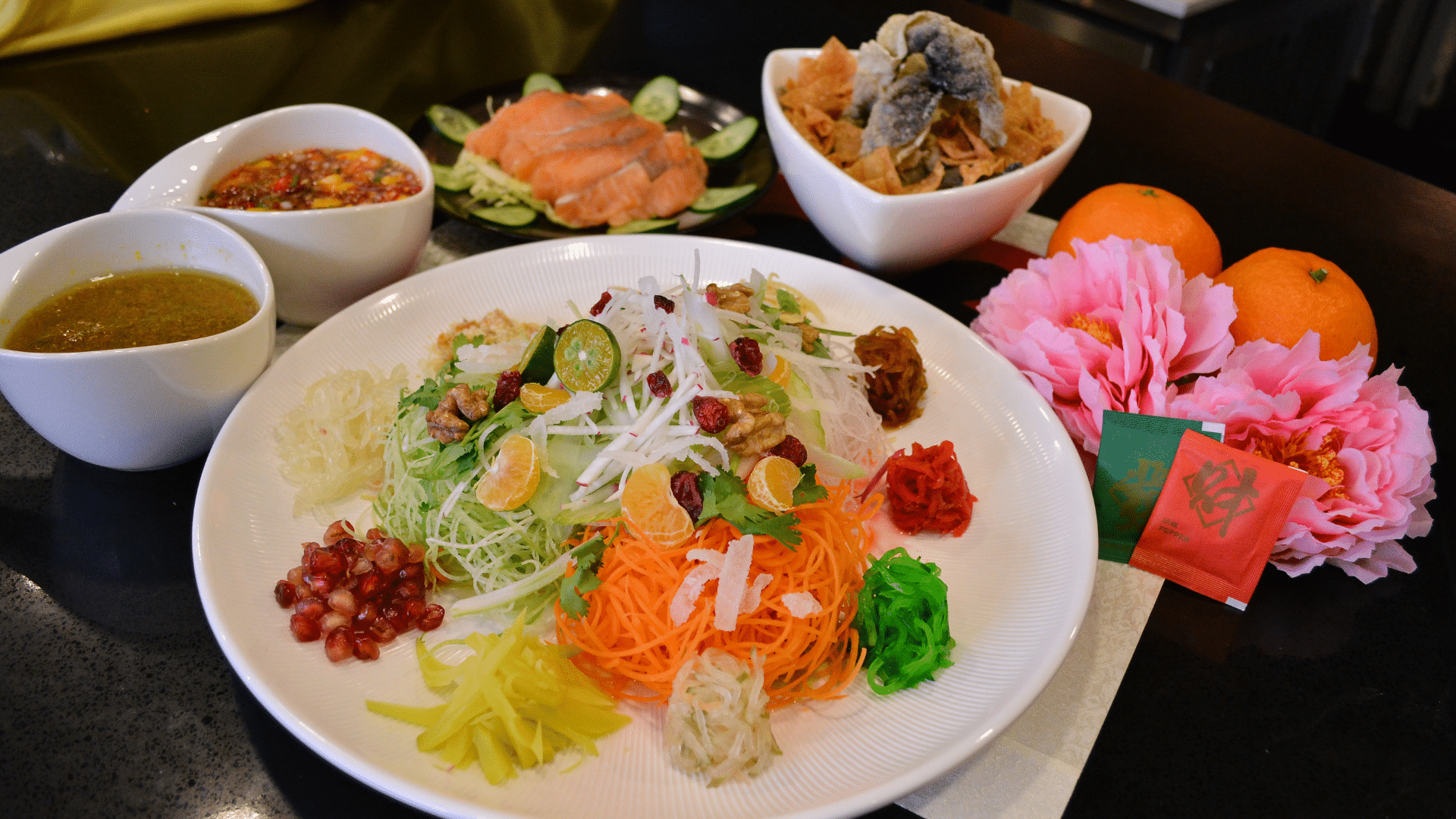
At first glance, Yu Sheng looks like a colorful pile of salad. But a closer look reveals layers of meaning behind every ingredient. Traditionally, Yu Sheng consists of:
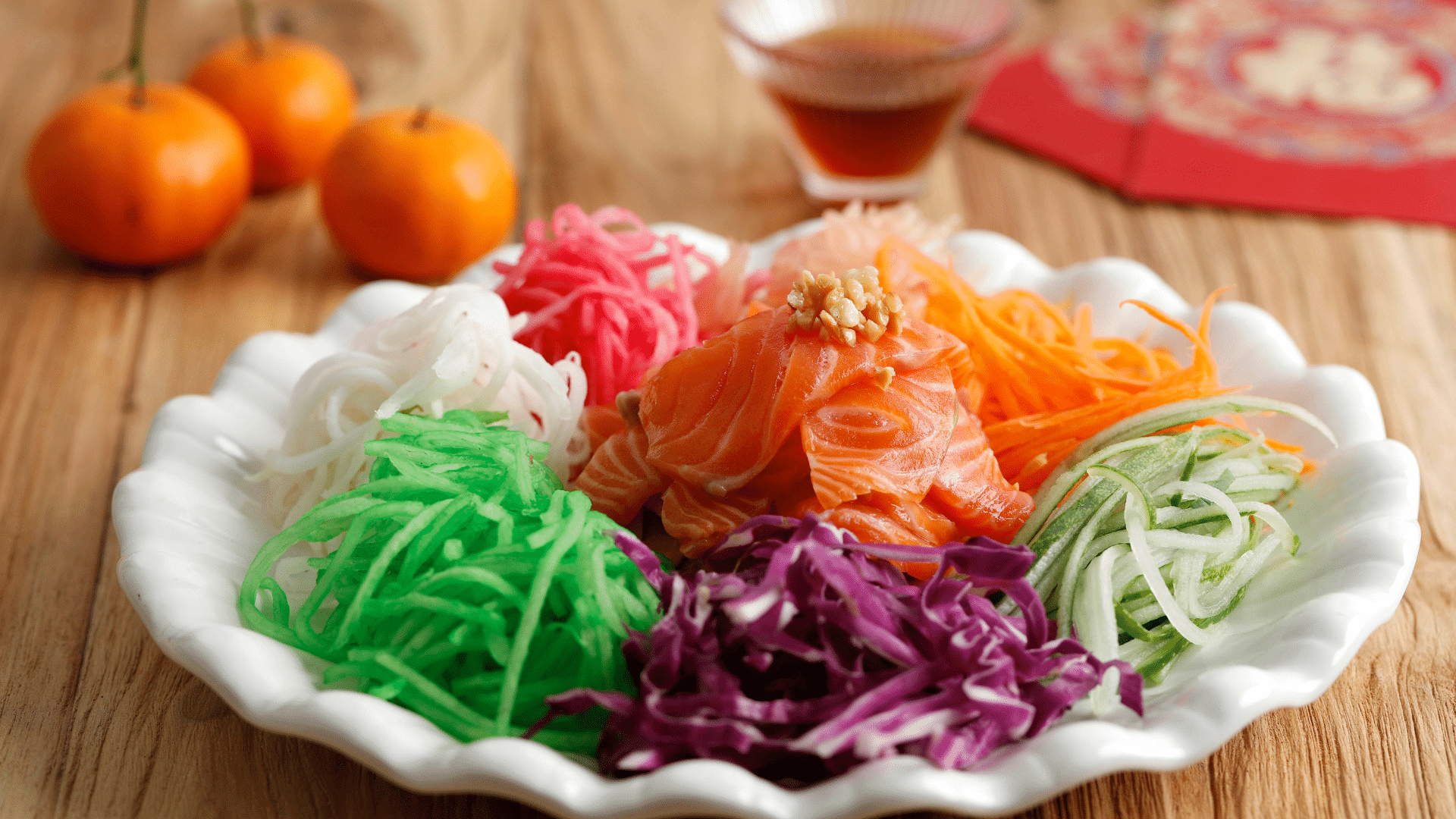
Photo by Canva
- Raw fish – commonly salmon these days, symbolizing abundance and wealth. Some versions use other fish depending on local preferences.
- Julienned vegetables – such as carrots, white radish, and cucumber. Each color and shape represents something: carrots for good luck, radish for prosperity, and cucumber for freshness and vitality.
- Pickled ginger – to symbolize good health and longevity.
- Crackers – typically crispy fried flour-based crackers, representing happiness and a crunchy, joyful year ahead.
- Peanuts and sesame seeds – for wealth and a fruitful year.
- Plum sauce – the sweet and tangy dressing that ties all the flavors together, symbolizing a sweet year ahead.
Some modern versions even add fruits like pomelo or pineapple, or nuts like walnuts for extra crunch and symbolism. The key principle is that every ingredient carries positive connotations, turning the salad into a celebration of good fortune.
The Lo Hei Ritual
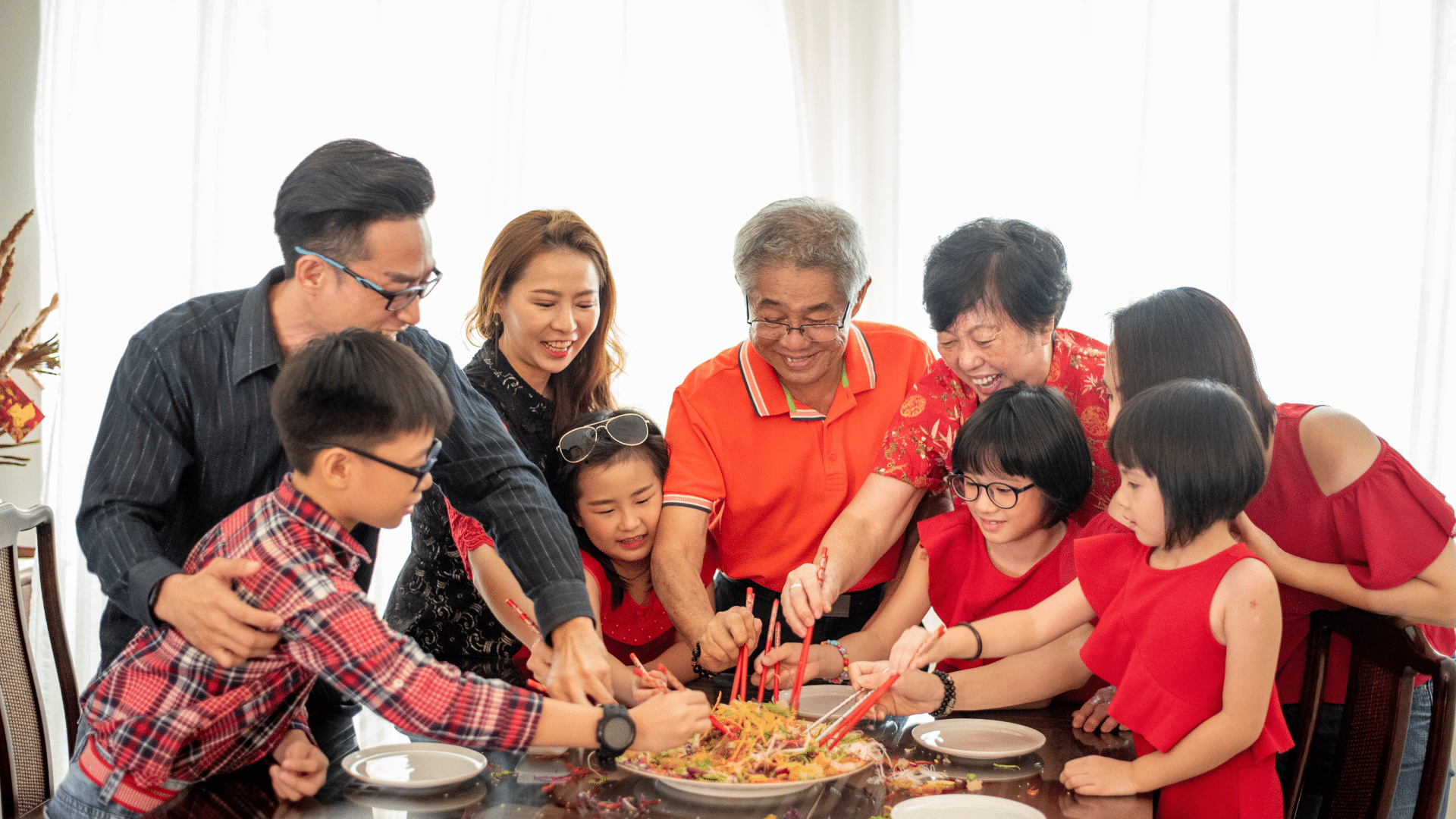
Photo by Canva
What really sets Yu Sheng apart isn’t just the ingredients, it’s how it’s eaten. This is where the Lo Hei ritual comes in. Lo Hei, which literally means “tossing up good fortune,” is a lively and interactive way to enjoy the dish.
Here’s how it works:
- 1. Everyone gathers around the table with chopsticks.
- 2. The prepared Yu Sheng is placed on a large serving platter.
- 3. Family members and friends toss the ingredients together as high as possible, shouting auspicious phrases and well wishes for the new year.
The tossing is done with intent and energy, and there’s a belief that the higher the toss, the greater the luck and prosperity. It’s not about precision or elegance; it’s about joy, togetherness, and positivity.
For many families, this part of the meal is as important as the taste. It encourages shared participation, making Yu Sheng more than just a dish it becomes a bonding experience.
History and Cultural Background
Yu Sheng has a fascinating history. While raw fish dishes have existed in southern China for centuries, the modern version of Yu Sheng we know today originated in Singapore and Malaysia during the 1960s.
Chinese immigrants in Southeast Asia adapted traditional ingredients to create a festival dish that would bring families together. Over time, the tossing ritual, Lo Hei, became widely popular and is now an essential part of Lunar New Year celebrations in the region.
It’s interesting to note that Yu Sheng wasn’t always salmon-based. Early versions used other types of fish, like mackerel or pomfret. The salmon version became popular due to its bright color and perceived luxury, making it perfect for festive occasions.
Symbolism of Yu Sheng Ingredients
Every ingredient in Yu Sheng has a symbolic meaning, which is why it’s sometimes called a “prosperity salad.” Here’s a deeper look at what each component represents:
- Raw Fish (Salmon or other fish): Abundance, wealth, and a smooth year ahead. The word for fish, “yu” (鱼), sounds like “surplus” in Chinese, symbolizing plenty and prosperity.
- Carrots: Good luck, success, and happiness. The bright orange color adds cheer to the table.
- White Radish: Growth, prosperity, and the idea of moving forward in life.
- Pickled Ginger: Health, longevity, and protection from negativity.
- Crackers: Happiness, joy, and a life filled with crunchy, fun moments.
- Peanuts and Sesame Seeds: Wealth, fertility, and a year full of abundance.
- Plum Sauce: Sweetness and harmony for family and relationships.
Understanding these meanings adds depth to the celebration, making every bite more than just a taste experience it becomes a symbolic act of hope and blessing.
How to Make Yu Sheng at Home
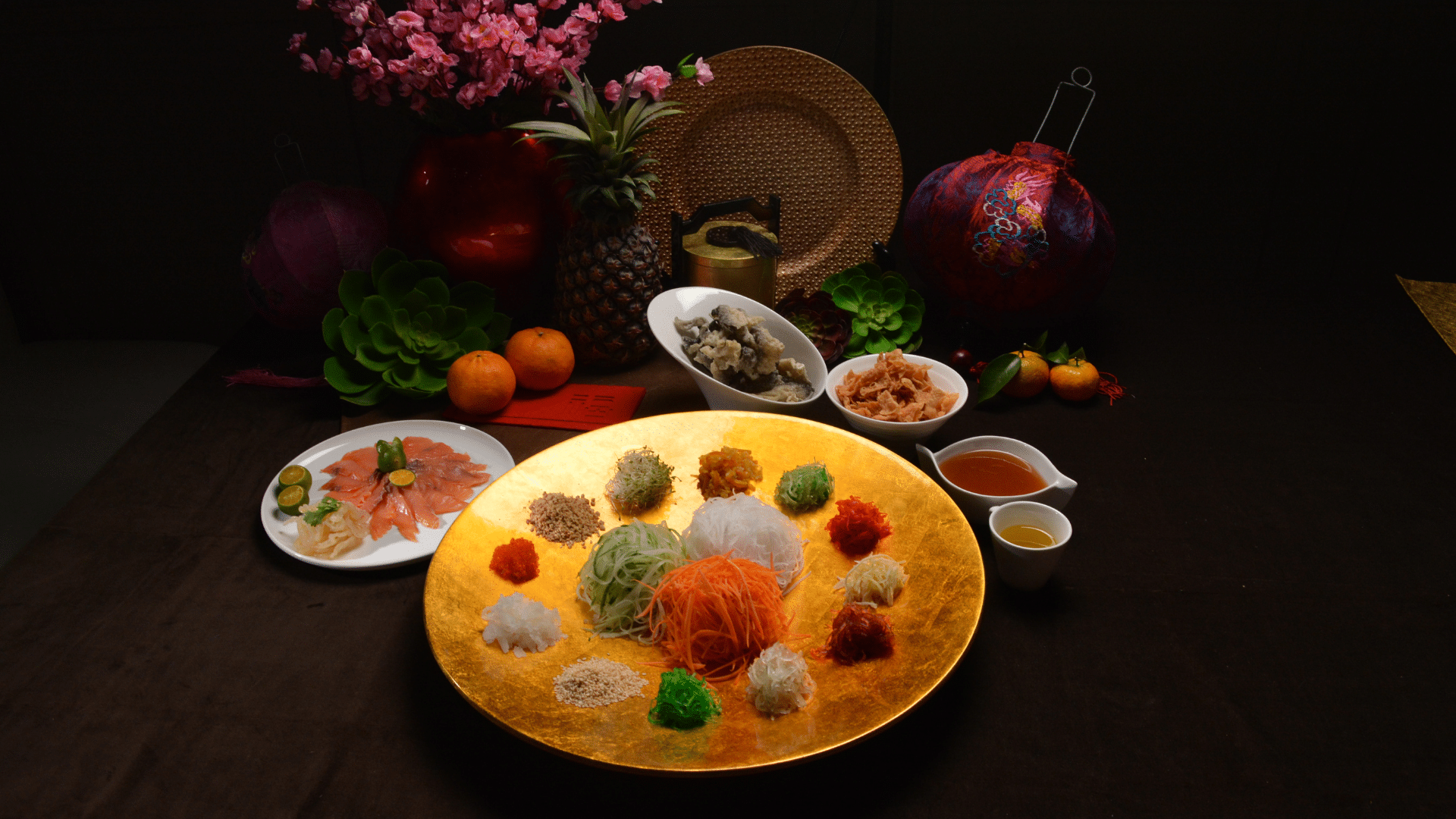
Photo by Canva
Making Yu Sheng at home is easier than it seems. Buf don’t need to be a chef to prepare a colorful, festive salad. Here’s a simple guide:
Here’s how it works:
- 1. Choose fresh, high-quality ingredients – especially the fish. Sushi-grade salmon is best.
- 2. Julienne vegetables are fine so they mix well and look visually appealing.
- 3. Prepare toppings separately – peanuts, sesame seeds, and crackers should be ready to sprinkle at the end.
- 4. Mix the sauce – traditional plum sauce works best, but buf can add a little lime juice or honey for extra zing.
- 5. Assemble just before serving – this keeps the salad fresh and crunchy.
- 6. Toss with energy and joy – involve the whole family and say your wishes aloud during Lo Hei.
The beauty of Yu Sheng is its customizability. Buf can add seasonal fruits, different nuts, or even vegetarian alternatives for the fish to suit your family’s preferences.
Tips for Enjoying Yu Sheng
- Freshness is key: The fish and vegetables must be fresh and crisp.
- Get everyone involved: Lo Hei is fun when the whole table participates.
- Serve immediately: Once tossed, enjoy it quickly to maintain texture and flavor.
- Decorate the platter: Use colorful vegetables and herbs to make the salad visually stunning—Yu Sheng is as much about presentation as taste.
- Use chopsticks creatively: Higher tossing is believed to bring more luck, so don’t be shy!
Yu Sheng Beyond the Table
Yu Sheng isn’t just a dish, it’s a symbol of optimism, renewal, and cultural identity. Families gather, strangers become friends over shared tossing, and each ingredient reminds us of the values we hold dear: health, wealth, happiness, and togetherness.
Many restaurants and hotels even offer premium Yu Sheng sets during Chinese New Year, featuring luxurious ingredients like abalone, scallops, or even truffle-infused sauces. But at its heart, Yu Sheng is about community, ritual, and joy, not just extravagance.
Conclusion
Yu Sheng is more than a colorful salad on the table; it’s a ritual, a symbol of luck, and a celebration of family. From its humble beginnings to its modern festive adaptations, it continues to bring joy, prosperity, and connection to everyone who participates in the Lo Hei ritual.
So, this Chinese New Year, whether buf are hosting a family dinner or visiting friends, don’t forget to toss your Yu Sheng high, say your wishes out loud, and enjoy the vibrant flavors of fortune.
Yu Sheng reminds us that food is not just fuel, it’s a way to celebrate life, culture, and hope for the year ahead.